Contents
- What happened
- Where the zones apply
- What keepers must do
- Why now
- The risk is everywhere
- How the virus reaches poultry
- Shutting birds in isn't enough
- Newcastle disease in Halmstad
- A virus from pigeons
- What Newcastle disease is
- Compulsory vaccination
- Vaccination is no reason to relax
- Signs that must be reported
- Hobby keepers too
- Pigeons and pigeon fanciers
- How to protect your poultry house
- Bird flu in other animals
- Risk to people
- Norway next door
- What this means for Europe
- Why the disease has returned
- How long it will last
- Who SVA are
- Why the south and the coast
- Poultry shows
- Eggs and meat in the shops
- Compensation for keepers
- What happens next
- When to call a vet
What happened
On 17 November the Swedish Board of Agriculture (Jordbruksverket) introduced so-called bird flu high-risk zones across much of southern Sweden. The decision is based on a risk assessment by the National Veterinary Institute, SVA. At the same time SVA reported an outbreak of Newcastle disease on a large laying hen farm in Halmstad municipality.
Where the zones apply
The high-risk zones cover every municipality in the counties of Skåne and Blekinge as well as parts of Halland, Kalmar, Västra Götaland, Östergötland and Södermanland. They are mainly coastal areas, with many poultry farms, previous outbreaks and large numbers of wild waterfowl.
What keepers must do
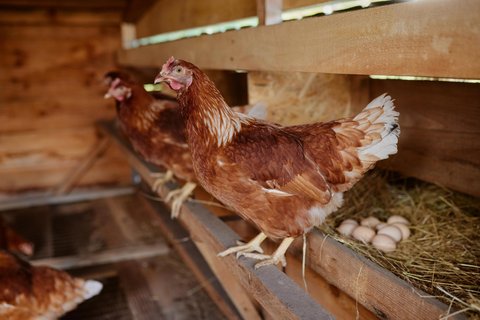
Poultry keepers in the high-risk zones, both commercial farms and people who keep hens for themselves, are being asked to keep their birds indoors. “The restrictions are needed to protect birds from infection. Bird flu is a highly contagious and serious disease that causes great suffering,” said Inger Nilsson of the Board of Agriculture.
Why now
According to SVA, the number of bird flu cases in poultry and wild birds in Europe is rising, as shown in its epidemiological overview of 12 November. Since then Norway has confirmed five new outbreaks on commercial farms. Finds of the virus in wild birds in southern and central Sweden also point to an increased risk.
SVA, SVT; 17 November 2026
The risk is everywhere
SVA stresses that the zones were drawn where the risk is higher because of the density of poultry farms, previous outbreaks and the number of wild birds. That doesn't mean the risk is low in the rest of Sweden. Poultry keepers all over the country must prevent direct and indirect contact between their birds and wild birds.
How the virus reaches poultry
The bird flu virus is found in the droppings and feathers of infected birds. Infection can be direct, through contact between poultry and wild birds. But the virus is often brought in indirectly: on boots worn outdoors, on equipment, or in bedding or feed that wild birds have had access to.
Shutting birds in isn't enough
“Go through your routines and see what you can do to reduce the risk of the virus getting in,” advises SVA epidemiologist Malin Grant. Experience in Sweden and other countries shows that keeping birds indoors on its own isn't enough. Rodent control, repairing and sealing buildings, hygiene and staff training are all needed too.
Newcastle disease in Halmstad
On Friday 13 November Newcastle disease was confirmed on a large laying hen farm in Halmstad municipality. It is a dangerous viral disease of birds that has been found more and more often in Europe in recent years. The farm is under restrictions, and the veterinary services are investigating how the virus got in.
A virus from pigeons
According to SVA, the strain found in Halmstad differs from those currently spreading in Europe. There the disease often passes from farm to farm, whereas the Swedish strain circulates in wild pigeons. This means the main danger is pigeons coming into contact with poultry, or their droppings getting into feed and bedding.
What Newcastle disease is
Newcastle disease is caused by avian paramyxovirus type 1. Chickens, turkeys, pigeons and many other birds can be affected. Sick birds may have breathing difficulties, diarrhoea, nervous signs and a sharp drop in egg production, and sometimes many birds die. It is a notifiable disease.
Compulsory vaccination
This spring the Board of Agriculture made vaccination against Newcastle disease compulsory to reduce the risk of outbreaks and protect food production. But so far only some birds have been vaccinated. And while vaccination protects against disease and reduces the likelihood of infection, it doesn't give complete protection.
Vaccination is no reason to relax
“To detect an outbreak and stop it spreading, it's important that keepers contact a vet as quickly as possible if they see increased mortality, a drop in egg production or other signs,” said Malin Grant. Even in fully vaccinated flocks, protection measures must not be relaxed.
Signs that must be reported
- A sudden rise in deaths.
- A sharp drop in egg production.
- Breathing difficulties or discharge from the beak.
- Loss of coordination or a twisted neck.
- Many birds refusing food and water.
Hobby keepers too
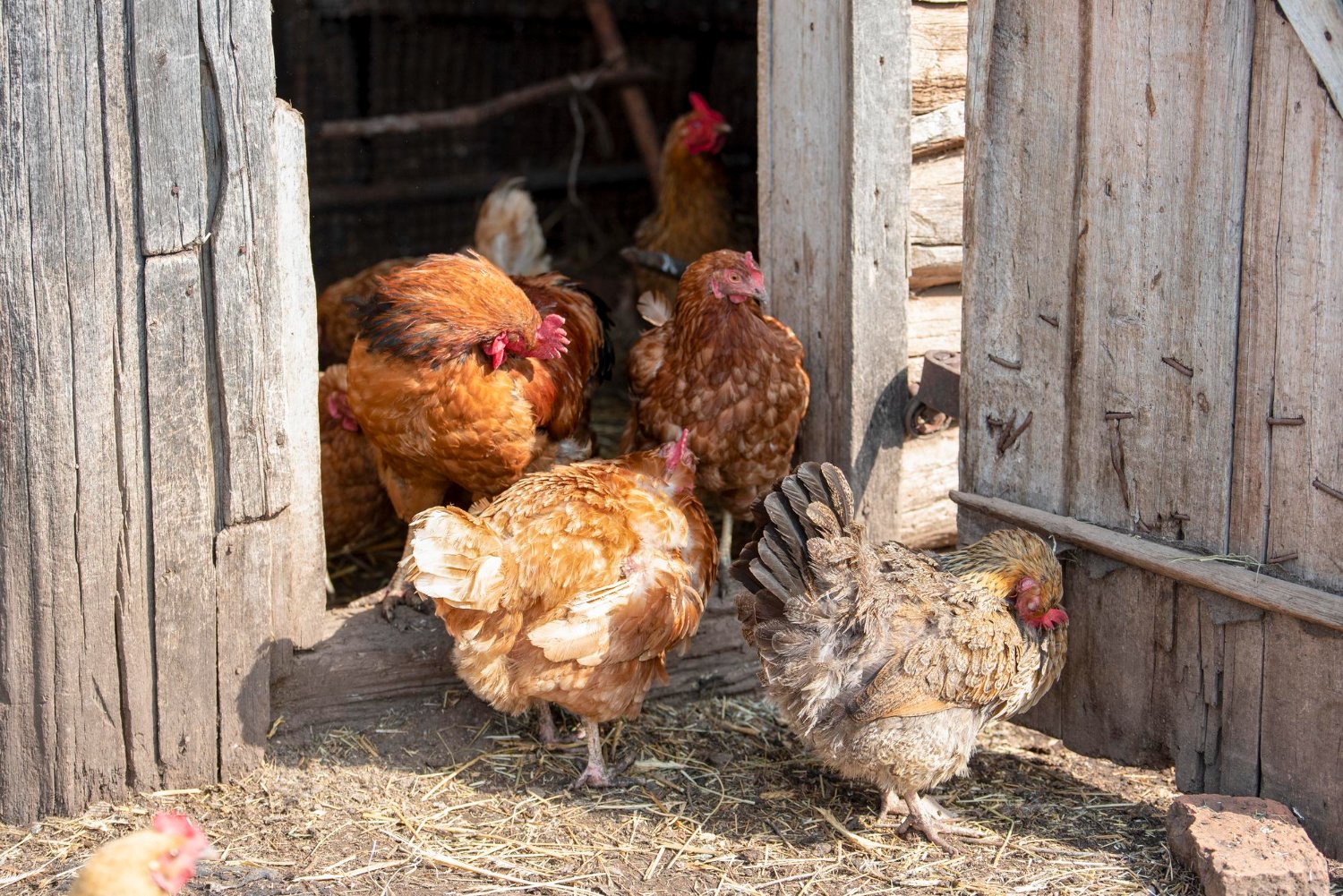
The decision doesn't only apply to large farms. Owners of a few hens at a holiday cottage, ducks and geese by a pond, ornamental birds kept outdoors: in the risk zones they must all keep their birds under cover and protect feed and water from wild birds. It's in small flocks that disease is often noticed late.
Pigeons and pigeon fanciers
The news is particularly important for pigeon fanciers. If Newcastle disease virus is circulating in wild pigeons, racing and fancy pigeons are also at risk. They should be vaccinated on a vet's advice, kept away from wild pigeons, and good hygiene should be observed at shows and races.
How to protect your poultry house
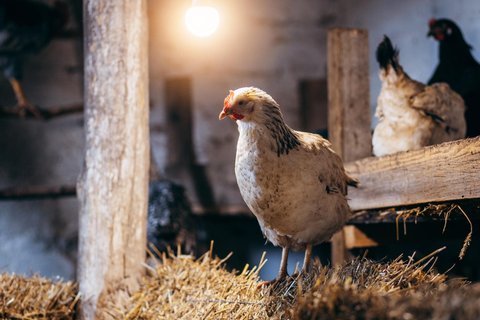
Keep feed and water indoors, cover windows with mesh, change footwear before going in to your birds, keep visitors out and control mice and rats. Don't take equipment that has been outside into the poultry house. Keep new birds separate for several weeks.
Bird flu in other animals
Bird flu isn't only dangerous to birds. Cats and dogs can be infected if they eat a sick or dead bird. Don't let pets touch dead birds, and report any dead wild birds you find, especially swans, geese and ducks.
Risk to people
The risk of bird flu to the general public is considered low. Newcastle disease isn't dangerous to people either: in rare cases, close contact with sick birds causes mild conjunctivitis. Meat and eggs from the shops are safe.
Norway next door
Neighbouring Norway is experiencing one of its largest bird flu outbreaks on farms, with several waves and tens of thousands of birds culled. The virus knows no borders, and wild birds carry it along the whole Scandinavian coast. That's why Sweden is bringing in measures early, before outbreaks hit its own farms.
What this means for Europe
This autumn many European countries are ordering poultry to be housed: the UK, the Netherlands, parts of Germany and elsewhere. Newcastle disease is also making a comeback, with outbreaks in Poland, Hungary, Germany and Austria. For poultry keepers all over Europe the rules are the same: vaccination, protection from wild birds and pigeons, and hygiene.
Why the disease has returned
For decades Newcastle disease was almost unknown on poultry farms in Western Europe. But in recent years the virus has once again found its way to poultry, via wild pigeons, the bird trade and transport. That's why several countries, including Sweden, have gone back to compulsory vaccination.
How long it will last
The high-risk zones will apply until the risk falls. That usually means several months, until spring, when migration ends and warmer weather reduces the virus's survival in the environment. The Board of Agriculture will review the zone boundaries in the light of new data from SVA.
Who SVA are
Sweden's National Veterinary Institute, SVA, carries out laboratory diagnostics and assesses the risks of animal diseases. Its assessment formed the basis of the decision on the zones. The Board of Agriculture sets the rules, and the county veterinary services carry out checks on the ground.
Why the south and the coast
Southern Sweden lies on the main autumn migration routes for wild birds from Scandinavia and the Baltic to Western Europe. Ducks, geese and swans gather on the coast, close to large poultry farms. This combination makes the south of the country the most vulnerable.
Poultry shows
In autumn and winter there are shows for chickens, pigeons and ornamental birds. Birds from many different flocks come together, and diseases spread easily. During high-risk periods, authorities in various countries restrict or ban such shows, so it's worth checking the rules well in advance.
Eggs and meat in the shops
Shoppers have nothing to worry about. Products sold in shops are checked, and meat and eggs cooked in the usual way are safe. Eggs from sick birds don't reach the shops, and a farm with an outbreak is immediately placed under quarantine.
Compensation for keepers
If bird flu or Newcastle disease is confirmed on a farm, the birds are culled on the authorities' orders. The state usually compensates keepers who have followed the rules for the value of their birds. Anyone who conceals disease or breaks the restrictions risks losing compensation.
What happens next
SVA is continuing to monitor finds of the virus in wild birds and on farms and will update its overviews. The Newcastle disease outbreak in Halmstad is under investigation. Poultry keepers are being urged to review their biosecurity routines now, without waiting for outbreaks nearby.
When to call a vet
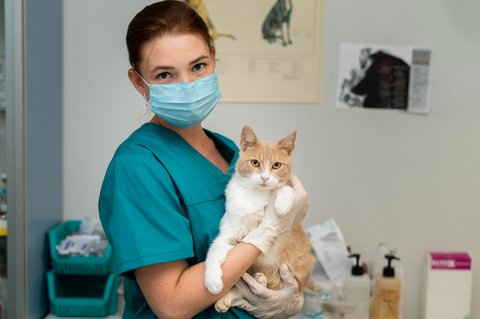
If your hens, ducks or pigeons suddenly start dying in greater numbers, egg production drops, or they develop breathing difficulties, diarrhoea, a twisted neck or unsteadiness, call your vet straight away and notify the veterinary authorities. Don't move birds or sell eggs until they have been examined.
Sources
- SVA, 17 November 2026
- SVT, 17 November 2026