Contents
- What happened
- Sales figures
- Poultry and pigs
- The most important medicines
- Resistance in farm animals
- Dogs and cats for the first time
- Where the data come from
- What the VMD says
- The national action plan
- Livestock sector targets
- Why use sometimes rises
- Why resistance in pets matters
- Which infections in pets
- Recall of a sedative
- What a class III recall means
- Sedation at the vet's
- What owners can do
- Rules for owners
- Prevention rather than cure
- How it looks in Europe
- What this means for Europe
- Why private laboratories
- The role of vets
- Feed and water on farms
- Pet food
- What happens next
- When to see a vet
What happened
On 17 November the UK's Veterinary Medicines Directorate (VMD) published its latest UK-VARSS report. It brings together data on sales of antibiotics for animals and on bacterial resistance to these medicines. The headline finding: sales are holding steady and remain less than half of what they were ten years ago.
Sales figures
Between 2024 and 2025, sales of antibiotics for animals rose by 2%. This is a small fluctuation: compared with 2014, sales are still 56% lower. The VMD believes the progress of recent years has been consolidated, and farmers and vets are continuing to avoid unnecessary use of these medicines.
Poultry and pigs
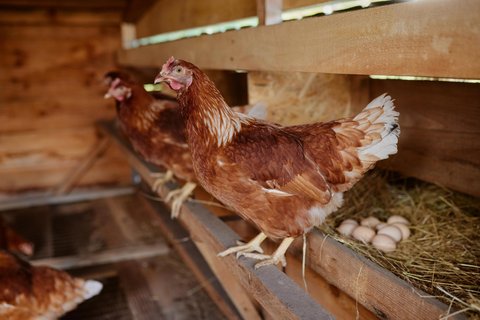
Individual sectors have made notable progress. In meat poultry, antibiotic use in 2025 was the lowest ever recorded. In pigs it fell by 11% in a year to the second-lowest level on record. Pig and poultry farming were for a long time the biggest users of antibiotics in livestock production.
VMD; 17 November 2026
The most important medicines
The VMD keeps a separate eye on antibiotics that are especially important for treating serious infections in people. They account for less than 0.5% of sales for food-producing animals. In other words, these last-resort medicines are hardly used in livestock and remain effective for human medicine.
Resistance in farm animals
The report also shows encouraging data on resistance in livestock bacteria, which remains well below historical levels. This matters: lower sales alone don't guarantee success, but when there are fewer resistant bacteria, it shows that responsible use is really working.
Dogs and cats for the first time
For pet owners, the most interesting part is a new section of the report. For the first time it includes verified results on resistance in four important bacteria that cause disease in dogs and cats. The data were provided by the University of Liverpool. It is the first step towards regular surveillance of resistance in companion animals in the UK.
Where the data come from
The pet data were collected through the Private Laboratory Initiative (PLI). It was set up in 2024 so that veterinary laboratories could share resistance data with the government. Twenty-six private laboratories now take part. Previously this information stayed within individual practices and never made it into the bigger picture.
What the VMD says
“Antibiotics save lives, and using them responsibly helps keep them effective for when they're really needed,” said VMD chief executive Abi Seager. Thanks to the work of farmers and vets, she said, sales have more than halved in ten years, and the next step is to extend surveillance to dogs and cats.
The national action plan
The report covers the second year of the UK's 2024–2029 national action plan on antimicrobial resistance. The plan brings together human medicine, veterinary medicine, agriculture and the environment. The VMD report shows how the veterinary part of the plan is progressing.
Livestock sector targets
Alongside the VMD report, the industry group RUMA, which sets targets for responsible antibiotic use in different livestock sectors, published its own report. Its chair James Russell noted that in some sectors use remains at historically low levels, in others it has risen because of disease outbreaks, and others are continuing to reduce use.
Why use sometimes rises
A small rise in sales doesn't always mean things are getting worse. If disease breaks out on a farm, the animals need treatment, and that's the right thing to do. The aim isn't zero antibiotics but using them only when needed, at the right dose and as prescribed by a vet. Refusing to treat sick animals would harm their welfare.
Why resistance in pets matters
Dogs and cats live close to people, sleep on sofas and lick our hands. Resistant bacteria can pass between animals and their owners. That's why data on which bacteria in pets no longer respond to treatment matter both for vets and for human medicine.
Which infections in pets
In dogs and cats, antibiotics are most often prescribed for skin infections, ear infections, urinary tract infections and wounds. These are exactly the cases where vets are increasingly encountering bacteria that only a handful of medicines can still treat. Culture and sensitivity testing helps choose a medicine that works.
Recall of a sedative
On the same day the VMD announced the recall of Sededorm 1 mg/ml solution for injection for dogs and cats. The manufacturer, the Spanish company Vetpharma Animal Health, has started a class III recall because of labelling errors on the packaging. Wholesalers have been asked to check their stock and quarantine the affected batches.
What a class III recall means
Class III is the mildest level of recall. It means the defect is unlikely to harm the animal, but the product doesn't meet requirements. With labelling, it is vital that the vet knows exactly what is being injected and at what strength. Pet owners don't need to do anything themselves.
Sedation at the vet's
Vets use sedatives before examining anxious animals, before X-rays and minor procedures, and before general anaesthesia. They are given only by a vet, who calculates the dose according to the animal's weight and condition. That's why errors on the packaging justify a recall: accuracy is critical here.
What owners can do
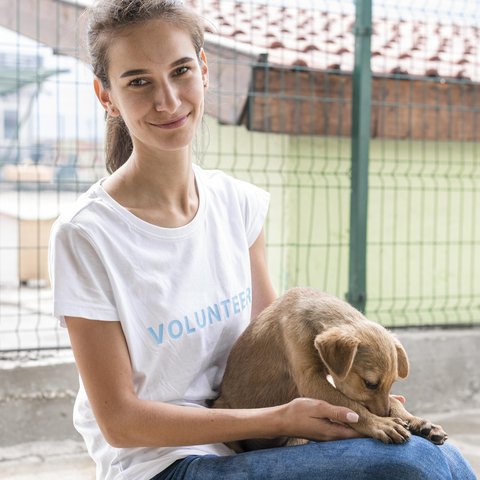
Pet owners influence resistance just as much as farmers. Don't insist on antibiotics every time your pet is unwell, give the medicine exactly as prescribed and finish the course, and don't use leftover tablets. If an infection keeps coming back, agree to a culture and sensitivity test.
Rules for owners
- Only give antibiotics prescribed by a vet.
- Don't stop the course early, even if your pet seems better.
- Don't give your pet human medicines.
- Agree to culture testing for recurrent infections.
- Wash your hands after treating your pet's wounds or ears.
Prevention rather than cure
The best way to reduce the need for antibiotics is to prevent infections. Vaccinations, parasite control, care of the skin, ears and teeth, a good diet and weight control all reduce the risk of disease. On farms, good housing conditions and vaccination play the same role.
How it looks in Europe
The EU has its own monitoring of veterinary antibiotic sales, and sales there have also fallen markedly over the past decade. Since 2022 the EU has restricted preventive use of antibiotics in animals, and some medicines are reserved for humans only. In many countries data on pets are still collected only irregularly.
What this means for Europe
The British experience shows how dogs and cats can be brought into surveillance: by working with the private laboratories that already carry out tests for practices. EU countries could adopt a similar approach. For owners, it means vets will know better which medicines still work and which no longer do.
Why private laboratories
Most tests for pets are done not by government laboratories but by private labs on behalf of veterinary practices. If their data stay private, nobody sees the bigger picture. The PLI turns thousands of individual results into statistics that can be used to update treatment recommendations.
The role of vets
Vets in the UK increasingly use guidelines on responsible antibiotic use. These set out when topical treatment is enough, when a culture is needed and which medicines to choose first. The new data on dogs and cats will help keep these guidelines up to date.
Feed and water on farms
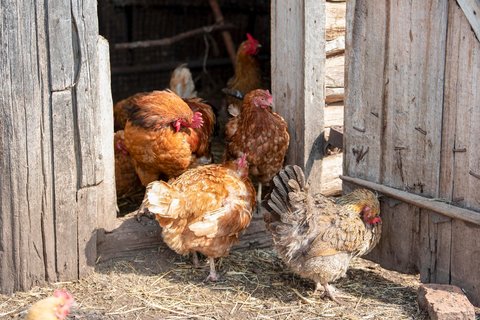
In the past, antibiotics on farms were often given to whole groups of animals in feed or water. Now farmers try to use this method only when there's no alternative and, wherever possible, to treat individual sick animals. This is one reason why sales for pigs and poultry have fallen so sharply.
Pet food
Resistant bacteria are also found in raw food for dogs and cats. Animals can shed them in their faeces, and people can pick them up when cleaning up. If you feed your pet raw meat, be strict about hygiene: wash your hands, bowls and surfaces.
What happens next
The VMD plans to expand surveillance of resistance in dogs and cats, while the livestock sectors keep working towards RUMA's third round of targets. The next report will show whether the fall in sales has held and how resistance in pets changes as more data come in.
When to see a vet
If your dog or cat has a skin, ear or urinary infection that doesn't clear up after treatment or keeps coming back, go back to your vet and discuss a culture and sensitivity test. Take your pet to the vet urgently if it has a high temperature, is lethargic, refuses food, has blood in its urine or a rapidly growing wound.
Sources
- VMD, GOV.UK, 17 November 2026
- VMD, GOV.UK, 17 November 2026