Contents
- What happened
- Farms not affected
- Hungary next door
- What the disease is
- How it spreads
- General signs
- Eggs and laying hens
- Neurological signs
- No treatment
- Hidden disease
- Vaccination
- Pigeons
- Pigeon fanciers
- What the state advises
- Protective measures
- Risk to people
- Not to be confused with bird flu
- Bird flu is close too
- Newcastle disease is back
- Sweden and pigeons
- What this means for Europe
- Poultry shows
- The poultry trade
- Where Mattersburg is
- How the diagnosis is confirmed
- Why pigeons in towns matter
- What happens in a farm outbreak
- Small flocks
- What happens next
- When to see a vet
What happened
On 16 November the government of the Austrian state of Burgenland announced that Newcastle disease had been found in wild pigeons in the Mattersburg district. In Austria it's also called atypical fowl plague. It's the first case in the state this year and so far the only known case in Austria this winter.
Farms not affected
According to the state, poultry farms and backyard flocks in Burgenland haven't been affected by the virus. The disease has only been found in wild pigeons. Even so, the authorities are calling on everyone who keeps chickens, turkeys, ducks, geese and pigeons to follow protective measures strictly.
Hungary next door
The situation across the border adds to the concern. In neighbouring Vas County in Hungary, which borders Burgenland, four outbreaks of Newcastle disease on poultry farms have already been confirmed. The virus can reach Austria with wild birds, through the poultry trade or via transport.
What the disease is
Newcastle disease is an acute, highly contagious viral disease of birds. It's caused by avian paramyxovirus type 1, APMV-1. Chickens, turkeys and pigeons are most affected, but wild and ornamental birds can also be infected. The disease occurs worldwide, and in Austria it occasionally appears in wild pigeons.
Land Burgenland, ORF; 16 November 2026
How it spreads
Sick birds shed large amounts of virus in saliva, droppings and discharge from the nose and throat. Infection happens through direct contact between birds, through the air with dust in the poultry house, and via objects such as clothing, footwear, crates and feed. That's why people who move from one flock to another can easily carry the virus.
General signs
Sick birds may have a fever, be very lethargic, stop eating and have difficulty breathing. They sit hunched with fluffed-up feathers and barely respond to what's around them. In severe cases deaths begin within a few days and can affect almost the whole flock.
Eggs and laying hens
One of the main signs in laying hens is a sudden drop in egg production. Eggs become thin-shelled, shell-less or discoloured. If there are suddenly fewer eggs in the hen house and the shells look odd, it's a reason to call the vet.
Neurological signs
Newcastle disease typically causes neurological problems: paralysis, a twisted neck, the bird throwing its head back or walking in circles. There may be greenish-yellow diarrhoea. The disease can be acute and fatal, or chronic.
No treatment
Newcastle disease can't be cured, and the death rate often reaches 100%. That's why the authorities take tough measures in an outbreak: birds on affected premises are culled and restriction zones are set up. The main protection is hygiene in the poultry house and preventive vaccination.
Hidden disease
According to the Burgenland authorities, the strain now found in Hungary sometimes causes almost no signs. So if the virus is confirmed on a farm, all the birds are culled, including those that look healthy. Otherwise infected birds that seem well could spread the disease further.
Vaccination
Effective vaccines are available for different bird species. The authorities particularly recommend vaccinating show birds, which come into contact with birds from other flocks. Keepers are advised to discuss vaccination with their vet, who will choose the vaccine and schedule.
Pigeons
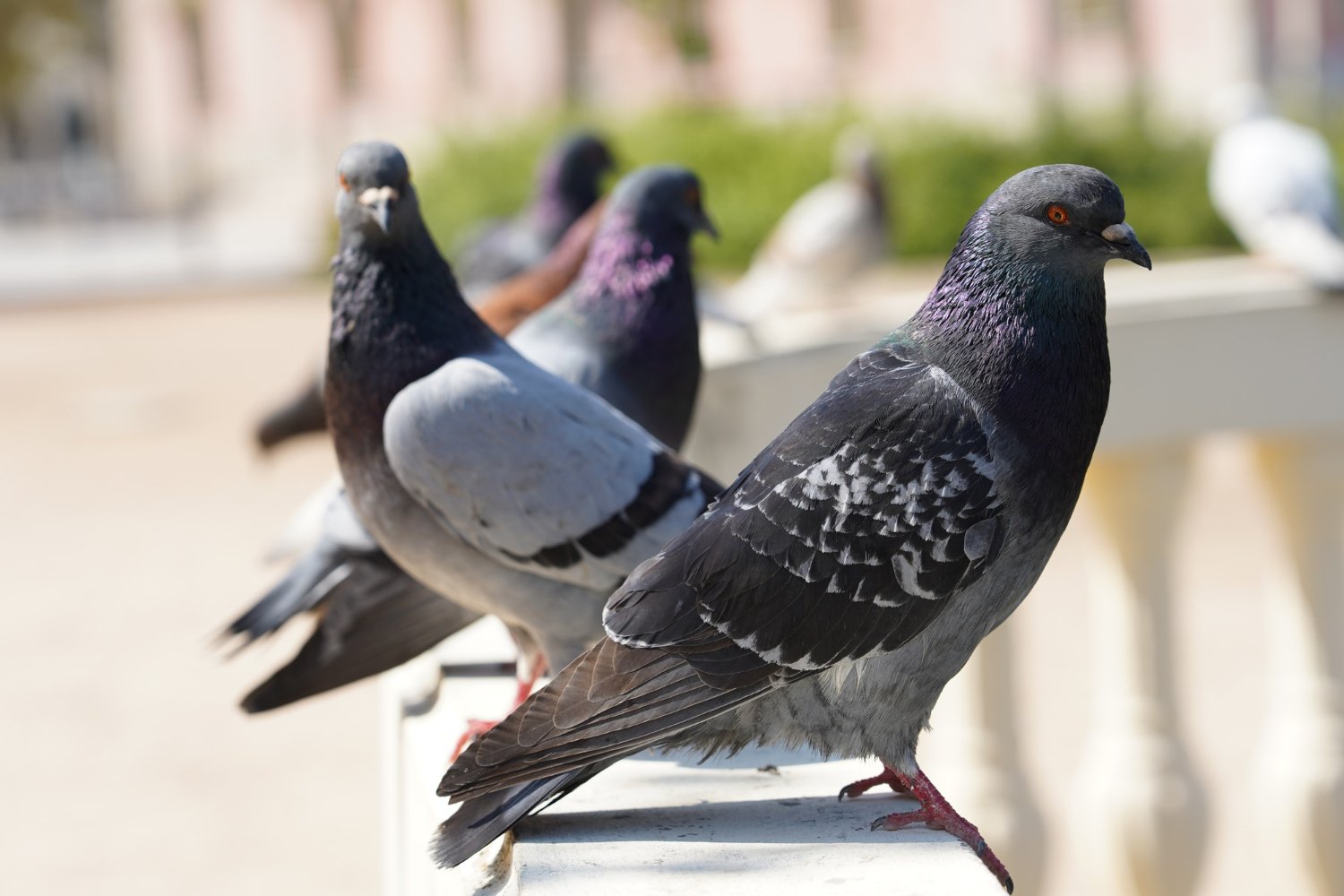
Pigeons play a special role. A pigeon variant of the virus is common in them and can pass to chickens and turkeys. Wild pigeons live in towns and on farms and land on feeders and drinkers. So their droppings in feed or bedding are a common way for the disease to get in.
Pigeon fanciers
The news is particularly important for people who keep racing and fancy pigeons. Their birds fly free and may meet wild pigeons. Vets advise vaccinating pigeons regularly against paramyxovirus, keeping them away from wild pigeons and following good hygiene at races and shows.
What the state advises
The Burgenland authorities strongly advise bird keepers to follow biosecurity measures strictly and protect their birds from contact with wild birds. Any suspicion must be reported immediately to the district's official vet. Newcastle disease is notifiable.
Protective measures
- Discuss vaccinating your birds with your vet.
- Protect feed and water from wild birds and pigeons.
- Change footwear and clothing before going in to your birds.
- Don't let visitors into the poultry house.
- Keep new birds separate for a few weeks.
Risk to people
Newcastle disease is considered harmless to people. Close contact with sick birds can cause conjunctivitis, which is usually very mild and clears up on its own. Meat and eggs from shops are safe.
Not to be confused with bird flu
Atypical fowl plague is often confused with bird flu, which in Austria is called classical fowl plague. The signs are similar: mass deaths, a drop in egg production, neurological problems. They can only be told apart by laboratory tests, so any mass deaths need a vet.
Bird flu is close too
At the same time bird flu is active in Austria and neighbouring countries, with outbreaks in Germany, Hungary and other countries in the region. For keepers this is a double threat, but the protective measures are the same: keeping birds away from wild birds, hygiene and calling the vet promptly.
Newcastle disease is back
Until recently Newcastle disease was considered almost beaten in Western and Central Europe. But in recent years outbreaks on farms have been happening again in Poland, Hungary, Germany and other countries. Germany's Friedrich Loeffler Institute noted that the disease had returned to poultry farms after decades of absence.
Sweden and pigeons
The link with pigeons is also borne out by a recent case in Sweden: Newcastle disease was found on a large laying hen farm there, and according to the Swedish Veterinary Agency the virus variant is circulating in wild pigeons. In Sweden, vaccination against the disease has been compulsory since this year.
What this means for Europe
Newcastle disease has once again become a Europe-wide problem. The virus crosses borders with wild birds, trade and transport. Bird keepers across Europe should check whether their birds are vaccinated and protect them from pigeons and other wild birds. In Great Britain, Newcastle disease is notifiable, and suspected cases must be reported to the Animal and Plant Health Agency.
Poultry shows
Winter is the season for shows of chickens, pigeons and ornamental birds. Birds from different flocks come together, and diseases spread easily. Organisers in several countries require proof of vaccination against Newcastle disease. Before a show, check the requirements and don't take birds showing signs of illness.
The poultry trade
When buying chickens or pigeons, ask for paperwork and find out whether the birds are vaccinated. Don't buy birds at informal markets or from unknown sellers, especially from outbreak areas. Keep new birds separate for at least a few weeks before adding them to your flock.
Where Mattersburg is
Mattersburg is a district in the north of Burgenland, on the border with Lower Austria and not far from Hungary. There are many farms with poultry here, and wild bird migration routes cross the region on their way to Lake Neusiedl, a large steppe lake on the Hungarian border.
How the diagnosis is confirmed
To confirm Newcastle disease, vets send samples from dead birds to the national laboratory. There the virus is isolated and its variant identified. This matters: the variant shows where the virus came from, whether from pigeons, a neighbouring country or a poultry farm.
Why pigeons in towns matter
Wild and feral pigeons live in almost every town and village and eat feed in yards and around poultry houses. There are many of them, they fly long distances and they spread the virus easily. Don't feed pigeons near the hen house, and keep your birds' feed out of their reach.
What happens in a farm outbreak
If the virus is found on a farm, the veterinary service sets up a protection zone and a surveillance zone, bans moving poultry and eggs without permission and checks all nearby flocks. Keepers who followed the rules receive compensation for culled birds.
Small flocks
In Burgenland, as in other rural parts of Austria, many families keep a few hens for their own eggs. It's in flocks like these that the disease is often noticed late. Registering birds with the veterinary service and vaccinating them helps protect both your own flock and your neighbours'.
What happens next
Burgenland's veterinary services are stepping up surveillance of wild birds and flocks near the Hungarian border. If the virus is found in domestic poultry, restriction zones will be set up and birds on the infected premises culled. The authorities will report on how the situation develops.
When to see a vet
If your chickens, turkeys or pigeons become lethargic, have difficulty breathing, greenish diarrhoea, a twisted neck or paralysis, if egg production suddenly falls or birds start dying, report it immediately to the official vet and call your vet. Don't move birds or sell eggs until they've been examined.
Sources
- Land Burgenland, 16 November 2026
- ORF Burgenland, 16 November 2026