Contents
- What happened
- The zoo's statement
- Where the rumour came from
- Drills are a requirement
- How visitors reacted
- Consequences even after a denial
- An expert's view
- Not the first case
- Why animal fakes are so dangerous
- AI and animals on social media
- Pet scams
- How to spot a fake
- Where to check animal news
- How zoos prepare for escapes
- Immobilisation
- If you meet an escaped animal
- Pets and panic
- Responsibility for fakes
- Lions in zoos
- Why the fake looked plausible
- The role of platforms
- Talking to children
- What this means for Europe
- When to see a vet
What happened
In early November 2026, a story spread on social media that lions had escaped from the zoo in Akron, Ohio. The posts included a picture of a lion apparently wandering beside a rubbish bin on a city street. On 9 November the TV station News 5 Cleveland reported that the zoo had officially denied the rumour and called the photo a fake created by artificial intelligence.
The zoo's statement
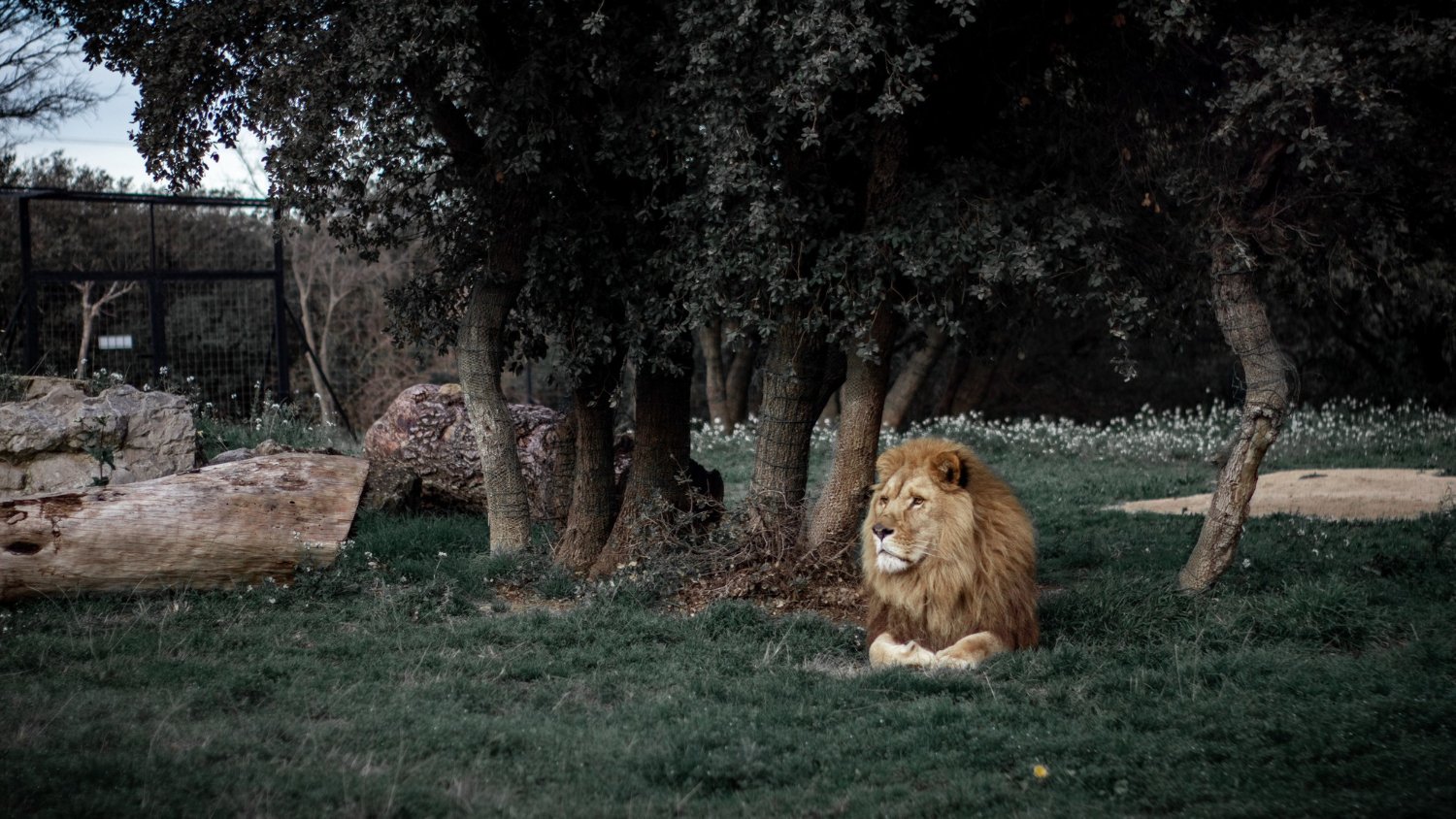
Akron Zoo said "inaccurate information" was circulating online about its African lions escaping and stressed that the image was fake. "Our lions remain in the safety of their habitat," the statement said. News 5 journalists visited the zoo and confirmed that the lions Msinga, Katawba and Donovan were in place.
Where the rumour came from
The rumours followed safety drills. On Wednesday 4 November the zoo ran several exercises with Akron police and fire services. Passers-by may have seen emergency vehicles at the zoo and drawn the wrong conclusions. Then someone added a convincing AI-generated picture to the rumour.
Drills are a requirement
Akron Zoo is accredited by the Association of Zoos and Aquariums. Under its rules, the zoo must run at least four safety drills a year, including a dangerous-animal escape drill. "To ensure the safety of our guests, volunteers and staff, we do an annual drill with APD and AFD," the zoo explained.
News 5 Cleveland; 9 November 2026
How visitors reacted
Visitors to the zoo said the episode shows how easily realistic AI images spread falsehoods. One said it was frightening how easily such pictures can fool a lot of people. Another visitor believes some people publish fakes simply for attention and views.
Consequences even after a denial
False rumours about escaped animals have consequences even after they are debunked. One visitor pointed out that the escape story will stay on the internet for ever, and some people may be afraid to visit the zoo. Another said misinformation makes people nervous for no reason and sceptical of everything.
An expert's view
Security expert Tim Dimoff called the spread of deceptive AI-generated content "a really strong, dangerous trend". He advises anyone who sees an alarming social media post to seek confirmation from official sources before sharing it — in this case, the pages of Akron Zoo and Akron police.
Not the first case
Similar stories have happened before. In April 2026 police in South Korea arrested a man who had posted an AI-generated image of a wolf supposedly escaped from a zoo in Daejeon. The fake picture hampered the search for the real animal. Akron has had false alarms before: in 2018 a jaguar escape drill was mistaken for a real escape.
Why animal fakes are so dangerous
A rumour about an escaped predator can cause panic: parents collect children from school, people are afraid to go out, and police waste resources checking calls. If an animal really has escaped, fake images make it harder to know where it is. And the zoo's reputation suffers even though it did nothing wrong.
AI and animals on social media
Today AI easily creates photos and videos of animals that look real. Besides escape scares, social media is full of invented "rescues", touching stories and unusual breeds. Some of these clips are harmless, but some are used for fundraising, advertising or fraud. Spotting a fake by eye is becoming harder and harder.
Pet scams
AI technology is already being used against pet owners. Scammers create fake photos of missing cats and dogs and demand money for their "return". Others sell non-existent puppies with attractive pictures. That is why experts advise never transferring money until you have seen the animal in person or checked the seller.
How to spot a fake
A few signs that may suggest an image was created by AI:
- Odd details: extra fingers, distorted lettering, blurred edges.
- A picture that is too "perfect", with no source or author.
- The story appears in only one post and not on official pages.
- The account is new or posts only sensational news.
- A reverse image search finds no original, or finds it in a different context.
Where to check animal news
If you see a report of an escaped animal, a disease outbreak or a dangerous dog, check it with official sources: the zoo's website, the police, local authorities or the veterinary service. Reliable media usually cite these sources. If there is no confirmation, it is better not to share the post, even if you want to warn friends.
How zoos prepare for escapes
An escape of a dangerous animal from a modern zoo is rare, but zoos prepare for it in advance. Staff know who does what, where immobilisation equipment is kept, how to evacuate visitors quickly and close the site. In drills, a staff member in a costume sometimes plays the escaped animal. All this is so that nobody panics in a real situation.
Immobilisation
Zoos have vets and trained staff who can immobilise large animals with darts containing drugs. Working out the dose for a lion or tiger is a complex task: weight, health and the animal's stress all have to be taken into account. That is why zoo vets train regularly with security staff and emergency services.
If you meet an escaped animal
In a real situation, if you see a large animal in the street, do not approach it, do not try to photograph it up close and do not run. Calmly go into a building or car and call the emergency services — 999 in the UK. Say where and when you saw the animal. The more precise the information, the faster it can be returned.
Pets and panic
Rumours of predators in the streets also frighten pet owners. People stop walking their dogs and letting their cats out. If such a story appears in your town, check it with official sources. Until it is confirmed, it is enough to keep your dog on a lead and not leave your cat outside at night.
Responsibility for fakes
In some countries, spreading false information that causes panic or hinders emergency services can lead to a fine or even criminal charges. The Korean case showed this. Laws on deepfakes and platform responsibility are being actively debated in both the US and Europe.
Lions in zoos
African lions are among the most popular zoo animals. Their enclosures are built with double barriers, moats or strong glass, and doors to service areas follow strict rules: one door opens only when the other is closed. Staff never enter an enclosure while the lions are inside. That is why genuine lion escapes from accredited zoos are extremely rare.
Why the fake looked plausible
The picture of a lion by a bin worked because it matched real events: people had seen police and fire vehicles at the zoo. Fakes are often built this way: they contain a grain of truth and an emotional image. The more a post frightens or moves people, the faster they share it without thinking about checking.
The role of platforms
Social networks have begun labelling some AI-generated material, but inconsistently. Many fakes spread without labels, especially if they have been re-photographed or cropped. Experts advise not relying only on platform labels but checking the source yourself, especially when people's or animals' safety is at stake.
Talking to children
Children see these clips and pictures too and may be frightened. Explain that not everything on the internet is true and show them how to check a story on an official website. It is also useful for children to know a safety rule: if they see a large unfamiliar animal in the street, they should not approach it but tell an adult straight away.
What this means for Europe
Fakes about escaped animals and invented pet stories spread on European social media too. In the EU, rules require large platforms to tackle disinformation and label AI-generated content. But the main protection is users' vigilance: checking the source before sharing alarming news about animals.
When to see a vet
If your dog or cat has been frightened by noise, sirens or commotion in the street and then starts hiding, refusing food or behaving unusually, watch it for a day or two. See a vet if the fear does not pass, if vomiting, diarrhoea or rapid breathing appear, or if the animal was injured while running away.
Sources
- News 5 Cleveland, 9 November 2026
- PetaPixel, 28 April 2026