Contents
- What happened
- The record holder's age
- Where Futa comes from
- The famous stance
- Five generations of descendants
- A problem with his leg
- A celebration for visitors
- What red pandas are
- A bamboo diet
- How long red pandas live
- A threatened species
- Why zoo animals live longer
- How an elderly panda is cared for
- Lameness in older animals
- Lessons for cat and dog owners
- Signs of ageing in pets
- A comfortable home for an older animal
- Check-ups every six months
- Pain you cannot see
- Zoo stars
- Red pandas in Japan
- Why a panda stands on its hind legs
- What this means for Europe
- When to see a vet
What happened
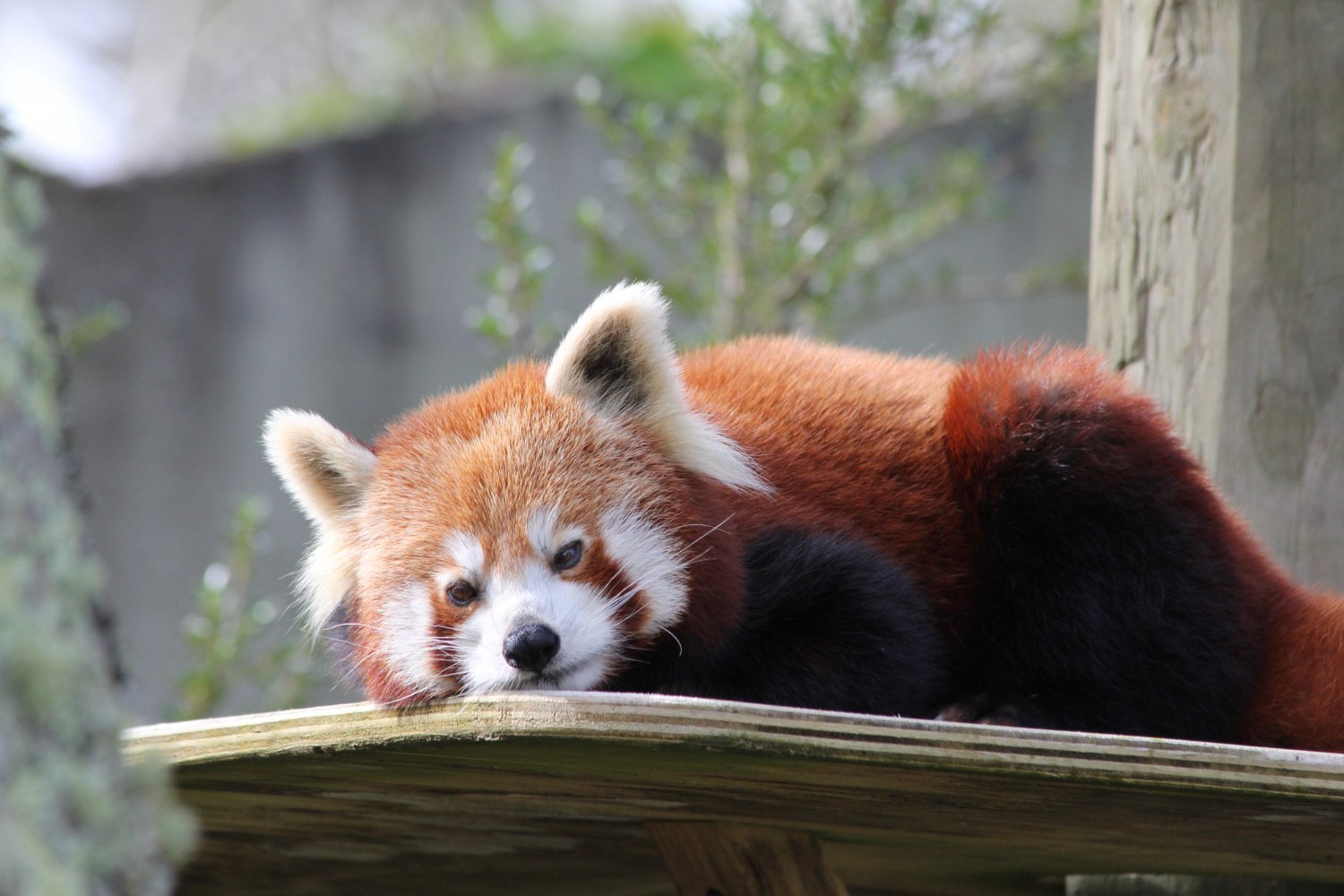
On 10 November 2026 the city of Chiba in Japan announced that Guinness World Records will recognise a red panda named Futa as the oldest living red panda in captivity. Futa lives at Chiba Zoological Park east of Tokyo. The Japanese newspaper Mainichi reported the news. The official certificate ceremony will take place on 17 November.
The record holder's age
On the day of the ceremony Futa will be 23 years and 135 days old. That is well beyond the previous record. Until now the oldest red panda in captivity was Taylor at ZooMontana in the US state of Montana, whose record of 21 years and 265 days was registered on 27 February 2020. Futa has beaten it by more than a year and a half.
Where Futa comes from
Futa was born on 5 July 2003 at Nihondaira Zoo in Shizuoka Prefecture. The following year he moved to Chiba. Over two decades he became one of Japan's best-known animals and a true symbol of the zoo, with many visitors coming especially to see him.
The famous stance
Futa became famous for his habit of rising on his hind legs and standing almost upright like a person. Photos and videos of him in the early 2000s spread across Japan and made red pandas hugely popular. Tourists came to Chiba from all over the country to see the "standing panda", and his image appeared on souvenirs.
The Mainichi; 11 November 2026
Five generations of descendants
Futa has a large family. His descendants now reach the fifth generation, so he even has great-great-great-grandchildren. Many of them live in other zoos. This matters beyond the zoo's history: red pandas are endangered, and every healthy litter in captivity helps preserve the genetic diversity of the species.
A problem with his leg
In late October keepers noticed that Futa was dragging his left hind leg. From 29 October he was temporarily taken off display so he could recover in peace. The treatment worked: since 6 November Futa has been back in his enclosure. According to zoo staff, he has a good appetite and is doing well.
A celebration for visitors
The Guinness ceremony will be held on 17 November at 1 pm in front of Futa's enclosure. Numbered tickets for 150 seats will be handed out at the zoo gates from 9.30 am that day. Those who do not get a seat can watch from the back. From 21 November the zoo will distribute 20,000 limited-edition commemorative cards.
What red pandas are
The red, or lesser, panda is a small animal with reddish fur, white markings on its face and a long ringed tail. Despite its name, it is not related to the giant panda and is placed in its own family. In the wild, red pandas live in the mountain forests of the Himalayas, Nepal, Bhutan, Myanmar and south-western China.
A bamboo diet
Red pandas feed mainly on bamboo leaves and young shoots. Their digestive system is built like a carnivore's, so they get little energy from bamboo and spend a lot of time eating. Besides bamboo they eat fruit, berries, acorns, eggs and sometimes insects. In zoos they get bamboo, fruit and special pellets.
How long red pandas live
In the wild red pandas usually live about 8–10 years. In zoos, with good care, they reach 14–15 years and sometimes more. So for his species Futa's age is extraordinary: in human terms he is often compared to a very old person. Each year of life at that age is a credit to the vets and keepers.
A threatened species
Red pandas are listed as endangered on the IUCN Red List. By various estimates fewer than 10,000 remain in the wild. The main threats are deforestation, fragmented habitat, poaching and illegal wildlife trade. Zoos around the world keep a shared studbook to maintain a healthy population in captivity.
Why zoo animals live longer
Longevity in captivity has a simple explanation: the animal has no predators, does not go hungry in winter, is treated when ill and protected from parasites. But a long life brings diseases of old age that are rarely seen in the wild. Zoo vets have to treat arthritis, dental, kidney and heart disease in animals that would not reach that age in the forest.
How an elderly panda is cared for
Caring for elderly animals in zoos is becoming ever more sophisticated. They get lower shelves and gentler ramps, soft bedding and food that is easier to chew. Vets regularly check their teeth, joints and internal organs and take blood samples. Many older animals are trained to accept examinations without anaesthesia so they can be treated with less stress.
Lameness in older animals
Lameness in an old animal can be a sign of arthritis, injury, spinal or nerve problems. In a zoo such a symptom always triggers an examination. Futa was taken off display to give him rest and keep him under observation. Vets who treat dogs and cats take the same approach: with lameness, rest, examination and pain relief are what matter.
Lessons for cat and dog owners
Cats and dogs now also live longer than they used to, and their owners face the same questions as zoo vets. An older pet needs regular check-ups, a comfortable place to sleep, food suited to its age and close attention to any change in behaviour.
Signs of ageing in pets
What to watch for in an ageing cat or dog:
- Stiffness after sleep, caution on stairs, reluctance to jump.
- Changes in appetite and thirst, weight loss or weight gain.
- Bad breath and difficulty chewing.
- Changes in sleep, confusion, restlessness at night.
- Cloudy eyes and poorer hearing.
A comfortable home for an older animal
Make life easier for an older pet: put rugs on slippery floors, add a ramp to its favourite sofa and move bowls to where it does not need to climb. Cats find a litter tray with a low side easier. Short but regular walks and play help keep an older animal mobile and interested in life.
Check-ups every six months
Many vets recommend examining older cats and dogs every six months. Blood and urine tests help detect kidney, liver and thyroid disease early, and blood pressure measurement can reveal heart problems. The earlier a disease is found, the easier it is to give the animal a calm and active life for longer.
Pain you cannot see
Older animals often hide pain. A cat simply jumps less, a dog gets up more slowly and is reluctant to go for walks. Owners often put this down to "normal old age". But for arthritis and other chronic conditions there are effective painkillers and treatment plans. These should be chosen by a vet, not by an owner following advice from the internet.
Zoo stars
Futa is not the only long-lived animal that zoos are proud of. Elderly animals help vets learn more about ageing in different species. Their stories attract visitors and remind us that behind every record lies the daily work of keepers, vets and nutritionists.
Red pandas in Japan
Japan is one of the countries where red pandas are especially common in zoos. Dozens of institutions keep them, and Japanese zoos are active in the international breeding programme. The species' popularity began largely with Futa and his famous stance, after which Japanese visitors flocked to see red pandas.
Why a panda stands on its hind legs
Red pandas stand on their hind legs when they want a better view of something in the distance, to sniff the air or, on the contrary, to scare off a rival and look bigger. Sometimes it is a reaction to fright. For Futa the stance became a habit and his trademark. Specialists stress that it matters that the animal does this on its own, not under pressure for a photo.
What this means for Europe
Red pandas also live in European zoos, which take part in a joint breeding programme for the species. The experience of Japanese colleagues in caring for elderly animals is useful to them too. And for pet owners in Europe, Futa's story is a reason to pay closer attention to their ageing companions and take them to the vet in good time.
When to see a vet
Take an older cat or dog to the vet if it starts limping, is reluctant to get up, stops jumping, drinks more, loses weight or loses its appetite. Urgent help is needed if the animal suddenly cannot put weight on a leg, is very weak, vomits, has difficulty breathing or has seizures.
Sources
- The Mainichi, 11 November 2026