Contents
- What happened
- How the ceremony works
- Why the antlers are cut
- Young spectators' impressions
- The deer of Nara
- Sacred animals
- Does it hurt the deer?
- The stress of capture
- Antlers grow every year
- Danger in the rutting season
- How to behave around deer
- What not to feed them
- Plastic in the stomach
- Deer and tourists
- Why the deer bow
- Fawns in spring and summer
- Deer and dogs
- Ticks and deer
- Deer in Europe
- Traditions and animal welfare
- Why the antlers are not left
- Vets in the park
- Deer and cars
- What this means for Europe
- When to see a vet
What happened
On Saturday 7 November 2026 the annual deer antler-cutting ceremony began in Nara Park in western Japan. The custom has been handed down from generation to generation for more than 370 years, since the Edo period. The ceremony takes place at Kasuga Taisha shrine in the park and runs until Sunday. It was reported by the Japanese news agency Kyodo.
How the ceremony works
It is an unusual spectacle. Handlers carrying red flags drive a stag into a corner of a special arena, then catch him with ropes and carefully lay him on the ground. The antlers are then sawn off. Every move has been refined over centuries. Spectators sit around the arena and watch the team of handlers work with a strong and fast animal.
Why the antlers are cut
According to the Nara Deer Preservation Foundation, the ceremony was originally held to stop deer injuring people and other deer. Autumn is the deer's breeding season, the rut. Stags become aggressive, fight over females and may attack a person. Sharp antlers at this time are particularly dangerous both for tourists and for the deer themselves.
Young spectators' impressions
The ceremony draws families with children. Ten-year-old Kazuto Hotta, who came with his parents from Nishinomiya in Hyogo Prefecture, shared his impressions: “The deer were cute. I thought they were incredibly fast. I'd like to see it again.” For many Japanese families it is an annual tradition.
The Mainichi (Kyodo); 8 November 2026
The deer of Nara
The deer of Nara are a symbol of the city and one of Japan's main tourist attractions. More than a thousand sika deer roam freely through the park, the streets and temple grounds. They are used to people, approach tourists and even “bow” to beg for treats. The deer are protected as a national natural monument of Japan.
Sacred animals
According to legend, the deity of Kasuga shrine arrived in Nara riding a white deer. So for centuries deer were regarded as sacred messengers of the gods. Killing them was forbidden and for a long time carried severe punishment. That is why Nara's deer have survived in the city centre and have lived alongside people for many centuries.
Does it hurt the deer?
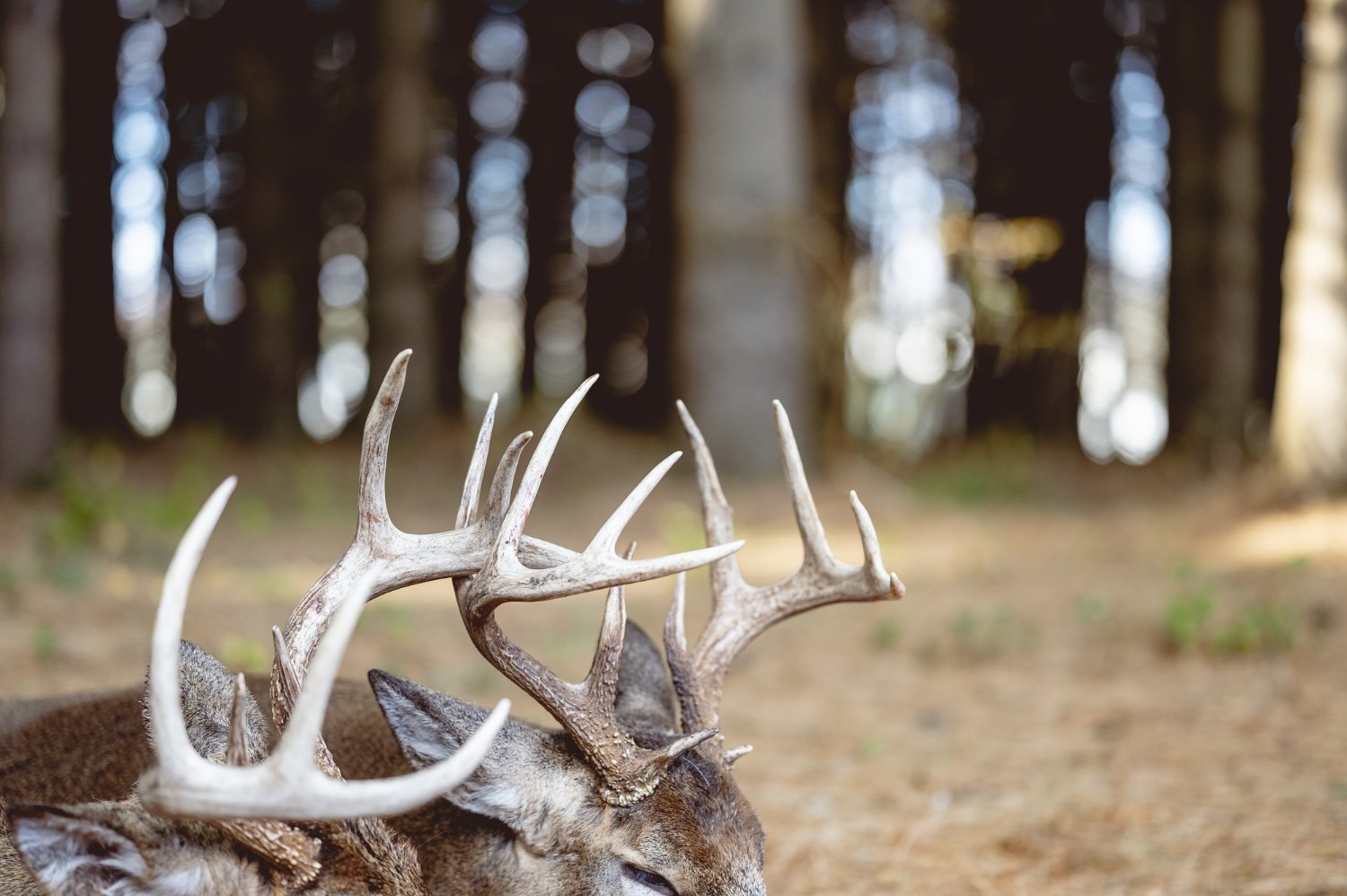
Many spectators ask whether it hurts the deer. Deer grow new antlers every year. In spring and summer they are covered with skin full of blood vessels, known as velvet. In autumn the antlers harden into bone, the velvet peels off, and there are no longer any nerves or blood vessels in them. So cutting hardened antlers is like trimming nails and should not cause pain.
The stress of capture
What troubles a deer most is not the saw itself but the capture: the chase, the ropes, the people around. So the handlers try to work quickly and confidently to cut the stress short. After the procedure the deer is released and goes back to the herd. In spring the antlers would fall off anyway, and new ones grow in summer.
Antlers grow every year
Antlers are a remarkable tissue. They are one of the fastest-growing tissues in mammals: in a few months a stag grows large, branching antlers. Every spring the old antlers are shed and a new cycle begins. The size of the antlers depends on the deer's age, health and diet.
Danger in the rutting season
The autumn rut is when even deer used to people behave differently. Stags roar, paw the ground and fight. They may strike a person who comes too close with their antlers or hooves. Every year Nara reports injuries to tourists who were pushed, bitten or butted by deer.
How to behave around deer
A few simple rules help avoid injuries when meeting deer in Nara and elsewhere:
- Keep away from stags in autumn, even when their antlers have been cut.
- Do not tease deer with food or hide treats behind your back.
- Feed them only special deer crackers, and only where this is allowed.
- Do not touch fawns or step between a mother and her young.
- Move away if a deer starts stamping or lowers its head.
What not to feed them
The deer in Nara eat grass, leaves and acorns. Tourists can buy special rice crackers, but many try to give the deer crisps, bread and sweets. This harms the animals' digestion. Plastic bags are even more dangerous: deer sometimes swallow them along with food, and the plastic builds up in their stomachs.
Plastic in the stomach
Japanese vets have repeatedly found lumps of plastic bags in the stomachs of dead Nara deer. Because of them the animals cannot digest food properly, lose weight and die. So visitors to the park are urged not to drop litter and not to feed the deer from bags. The same problem affects other places where wild animals live close to tourists.
Deer and tourists
The number of tourists in Nara has risen sharply in recent years, especially from abroad. Not everyone knows how to behave around the deer: some tease them with crackers, others try to sit on them for a photo or pull their antlers. The city and the foundation publish leaflets in different languages and put up signs explaining how to behave with the animals and why they should not be frightened.
Why the deer bow
The famous “bowing” of Nara's deer is learned behaviour. The deer have noticed that people are more willing to give them treats when they nod their heads. Scientists who have studied this behaviour believe the nod may also be a sign of impatience. If a deer nods several times and no treat appears, it may start pushing or biting clothes.
Fawns in spring and summer
In late spring and early summer Nara's deer give birth to fawns. At this time the females become wary and protect their young. Visitors are often asked not to approach fawns, even if they are lying alone: the mother is usually grazing nearby. Human scent on a fawn can stop the mother from accepting it back.
Deer and dogs
If you walk your dog where deer live, keep it on a short lead. A dog can frighten a deer and provoke it into defending itself, and a deer can deliver a powerful kick. Chasing deer is also an offence in many countries: a dog can run an animal to exhaustion, and its hunting instinct is hard to stop.
Ticks and deer
Deer are key hosts for many species of tick. Where there are lots of deer, there are usually lots of ticks, which carry diseases dangerous to dogs and people. After a walk where deer live, check your dog and yourself. Regular tick treatment for your dog is especially important in the warmer months and in mild winters.
Deer in Europe
Sika deer, the same species as in Nara, were introduced to some European countries, including Britain and Ireland. Red deer and fallow deer used to people also live in European city parks, and safety rules apply there during the rut too. In London's Royal Parks, for example, visitors are asked to stay at least 50 metres from the deer in autumn.
Traditions and animal welfare
Ceremonies involving animals are controversial in many countries. Supporters point to their cultural value and practical benefit, opponents to the stress for the animals. The Nara ceremony was originally conceived as a safety measure: cutting the antlers protects both people and deer from injury during the rut.
Why the antlers are not left
The deer could be left with their antlers and tourists' access simply restricted. But in Nara the deer roam freely through the city, and separating them from people is impossible. Cutting the antlers is a compromise: the deer do not have to be kept in enclosures, and people can walk safely alongside them.
Vets in the park
The foundation's staff and vets look after the health of Nara's deer. Injured and sick deer are treated, and orphaned fawns are raised in a special centre. Deer hit by cars also get help. Tourists can support this work with donations.
Deer and cars
Nara's deer cross roads in the city centre, so drivers have to be especially careful. Deer are regularly killed or injured by vehicles. The city puts up warning signs, and drivers are reminded that a deer may suddenly step into the road, especially at dusk and during the rut.
What this means for Europe
Europe also has many places where people and deer live side by side: parks, woodland near towns and nature reserves. The Japanese experience is a reminder that even animals that look tame remain wild, especially in the breeding season. Visitors and dog owners should keep their distance, not feed deer human food and not leave litter.
When to see a vet
Take your dog to a vet if it has been kicked or butted by a deer: even without visible wounds there may be bruising or internal injuries. Get help urgently if it is limping, bleeding, struggling to breathe or lethargic. After walks where deer live, see a vet if you find a tick on your dog and it develops a fever, weakness or lameness.
Sources
- The Mainichi (Kyodo), 8 November 2026