Contents
- What happened
- Bin day
- Baboons in the kitchen
- Why baboons come into town
- Rangers with paintball guns
- Two problem troops
- “It's not ideal”
- Pellets in the baboons' bodies
- Protests at the fence
- “They're taking them there to die out”
- Fear of a precedent
- A fence around people, not baboons
- The city's position
- Why rubbish is the main problem
- Are baboons dangerous?
- Baboons and dogs
- How to protect your home
- Why feeding is a bad idea
- Sterilisation as a tool
- Vets and capture
- Life in the enclosure
- Tourists and baboons
- Experience elsewhere
- What this means for Europe
- When to see a vet
What happened
On 8 November 2026 the Dutch public broadcaster NOS reported on a dispute that is dividing Cape Town residents. After years of trying to help people and baboons live side by side, the city authorities have decided to catch more than sixty baboons and house them in a fenced enclosure. NOS's correspondent compared the row to the debate about wolves in the Netherlands.
Bin day
The report begins in Simon's Town at the southern tip of the Cape Peninsula. On bin collection day a baboon knocks over a grey wheelie bin and rummages through the rubbish. It finds half a croissant and a carton of sour milk. Within seconds the contents of the bin are strewn across the street. The baboons know exactly when bin day is.
Baboons in the kitchen
Some baboons have learned to open doors and windows to steal food from kitchens. Adam Welz, who lives in another coastal village, showed journalists a video of a baboon sitting on his kitchen counter finishing a jar of peanut butter. “It looks funny, but he has sharp teeth,” says Welz. “I worry about my young children and my dogs.”
Why baboons come into town
Housing is creeping further up the mountains and the baboons' space is shrinking. The animals increasingly come down into the villages in search of high-calorie food: bread, fruit, sweets, leftovers. Human food is easy pickings for baboons, much easier than spending hours foraging in the mountains. So encounters between people and baboons have turned into constant conflict.
NOS; 8 November 2026
Rangers with paintball guns
For years the city has tried to drive the baboons away using dedicated rangers. Armed with paintball guns, they follow the animals constantly and push them back into the mountains. But baboons are fast and clever, and the rangers often cannot keep up. The animals find ways round and return to wherever food is waiting.
Two problem troops
Two troops cause the most trouble. The city and wildlife authorities have decided to catch baboons from these troops and house them in a fenced enclosure on the peninsula. The fence is already up. The site is roughly the size of seven football pitches and has wooden platforms where the baboons can rest.
“It's not ideal”
Gregg Oelofse, who is responsible for coastal management and nature at the City of Cape Town, does not hide his doubts. “It's not ideal,” he says. “But we have two options: euthanise these baboons or enclose them. And we think we can give them a good life.” Right now, he says, these baboons do not have a good life.
Pellets in the baboons' bodies
Oelofse cites grim facts. “When baboons die, we X-ray them. Almost all of them have pellets in their bodies, because frustrated residents shoot at them,” he says. And the high-calorie, sugary food the animals find in rubbish is bad for their health.
Protests at the fence
The plan has met fierce opposition. Where Oelofse sees a place for the baboons to live out their days in peace, opponents see a “death camp”. Residents against the plan come to the fence every weekend with placards. One reads: “Bridges, not cages.”
“They're taking them there to die out”
“They're taking them there to die out,” says protester Lucinda Bovill. She says the baboons will be sterilised so that the troop eventually disappears. “This is their natural habitat. They were here first. We have to adapt and take responsibility, for example by locking our bins better.”
Fear of a precedent
Protesters fear the enclosure will set a precedent. “If the first relocations prove successful, the city could lock up more baboons in future,” says Lauren Wild, who came to the protest with a toy baboon. “In the end I'm afraid there won't be a single baboon left.” The city denies this, saying hundreds of other baboons will remain free.
A fence around people, not baboons
Adam Welz has a different idea. His small conservation group, the South Peninsula Nature Alliance, argues for a fence not around the baboons but between the residential areas and the mountains. “Then the baboons keep their natural habitat and we have peace in our homes,” he says. In his view this would protect both people and baboons.
The city's position
Oelofse believes a hard reset is needed. “It's an illusion to think these troops are living a beautiful wild life in nature. Enclosure is the only option. I'm not happy about it either,” he says. The city is waiting for the final permits for the capture, and the first baboons were expected to be caught the following week.
Why rubbish is the main problem
Specialists in human–wildlife conflict around the world say the same thing: as long as animals have easy access to human food, they will keep coming back. Open bins, fruit on garden trees, dog and cat food left outside all attract baboons. Properly locked bins reduce visits.
Are baboons dangerous?
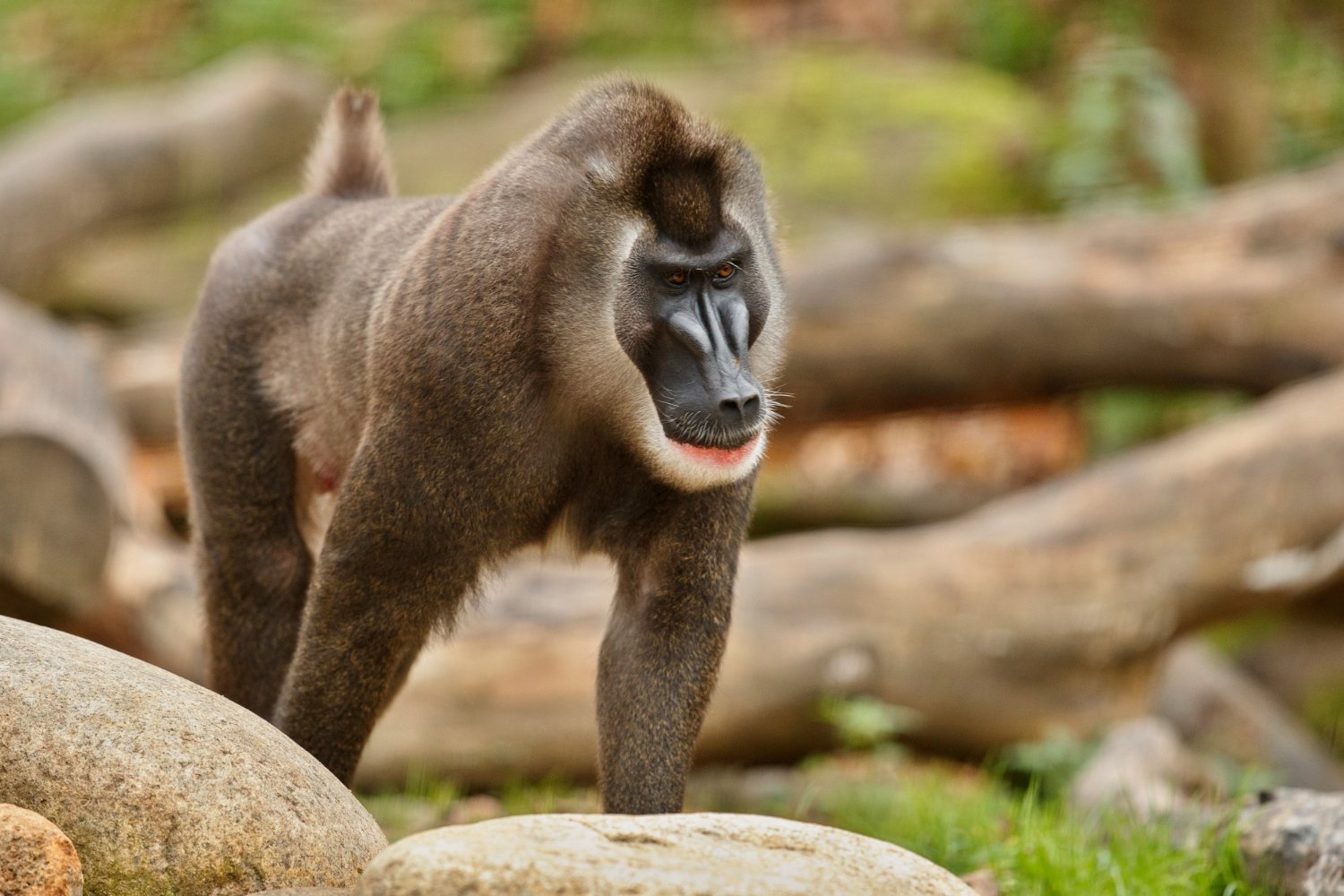
Baboons are large, strong monkeys with long canine teeth. They usually avoid direct confrontation with people, but they may threaten, snatch food and bite if they feel in danger or cornered. Baboons used to people lose their fear and become bolder. Those are the animals most likely to face euthanasia.
Baboons and dogs
For dog owners, baboons are a particular concern. A dog may go for a baboon, and a baboon can seriously injure even a large dog. The reverse also happens: dogs attack baboons. So in areas where baboons roam, dogs are kept on a lead, and windows and doors are kept shut when nobody is home.
How to protect your home
The advice for people living alongside baboons and other wild animals is similar worldwide:
- Use bins with secure locks.
- Do not leave food or pet food outside.
- Close windows and doors or fit bars.
- Do not feed baboons or other wild animals.
- Do not approach baboons or stare them in the eye.
Why feeding is a bad idea
Many tourists and residents feed baboons, thinking it is harmless. But a baboon that gets food from people quickly learns to demand it and may become aggressive. Those are the animals later labelled “problem baboons” and at risk of being put down. In the end, feeding harms baboons most of all.
Sterilisation as a tool
Sterilisation of wild animals is used in many countries to manage numbers without killing. But in the case of the enclosed baboons, opponents see it as a quiet way of eliminating the troop. Supporters of the plan reply that uncontrolled breeding in a confined space would lead to overcrowding and conflict within the group.
Vets and capture
Catching wild monkeys is a complex job for vets. Baboons are sedated with darts, examined, treated for wounds and diseases and sterilised where needed. It is important not to split family groups, because baboons live in complex societies with a hierarchy. Moving a whole troop reduces stress for the animals.
Life in the enclosure
What life will look like behind the fence is not yet known in detail. The city promises resting platforms and enough space. Specialists in keeping primates point out that captive monkeys need things to do: foraging, climbing, shelter and the chance to get away from each other. Without these, animals develop stress and aggression, even if there is plenty of room.
Tourists and baboons
The Cape Peninsula is one of South Africa's most popular tourist areas, and for many visitors the baboons are part of the experience. Tourists are asked not to feed them, not to leave food in cars with open windows and to keep bags closed. Baboons quickly learn to link people with food, and every handout from a tourist makes the problem worse.
Experience elsewhere
Conflict with monkeys is not just a South African problem. In India, Thailand, Gibraltar and elsewhere, monkeys also steal food from people. Authorities try various solutions, from sterilisation and relocation to fines for people who feed the animals. There is no universal answer, but everywhere access to human food plays the main role.
What this means for Europe
There are no baboons in mainland Europe, but similar debates are under way about wolves, wild boar, bears and even gulls that steal food in seaside towns. The Cape Town story shows that when people teach animals to rely on human food, only hard choices are left. Prevention, such as locked bins and not feeding wildlife, is always cheaper and kinder.
When to see a vet
If your dog has fought with a monkey or another wild animal, take it to the vet straight away: monkey bites are deep and often become infected. Get help urgently if there is bleeding, wounds to the neck, belly or chest, lameness or difficulty breathing. Always mention contact with a wild animal so the vet can check your dog's rabies vaccination.
Sources
- NOS, 8 November 2026