Contents
- What happened
- Where the virus came from
- From cow to cow
- How the virus moves between farms
- Signs of disease in cows
- What the state veterinarian says
- Milk safety
- How to protect a herd
- Poultry and pets
- Risk to people
- A request to allow vaccination
- The supporters’ arguments
- The scale and cost of the outbreak
- What it means for Europe
- What owners should do
What happened
The Washington State Department of Agriculture (WSDA) has confirmed highly pathogenic avian influenza H5N1 in a dairy herd in Grant County. The department announced it on 24 November 2026. The virus was detected by the Washington Animal Disease Diagnostic Laboratory (WADDL) during routine surveillance, and the diagnosis was confirmed by the National Veterinary Services Laboratories (NVSL) of the US Department of Agriculture. The authorities have not named the farm or said how many animals it has. The herd is under quarantine and strict biosecurity measures are in place on the farm. Vets are treating the sick cows. It is the latest case in a state where the virus was first confirmed in dairy cattle in October 2026.
Where the virus came from
Genetic sequencing carried out by the US Department of Agriculture (USDA) showed that the H5N1 strain now circulating in Washington dairy herds matches the virus brought in from the state of Idaho with cattle. In other words, the infection arrived through livestock movements rather than by chance from outside. The investigation aims to identify possible routes of transmission and prevent further spread, and WSDA is working closely with USDA. For farmers this is an important finding: the main route of spread is the movement of animals and people between farms. Buying and transporting lactating cows calls for particular care, and checking the origin of animals and quarantining them on arrival are becoming part of routine work.
From cow to cow
According to WSDA, the investigation shows that the virus spread from cow to cow between dairy herds. Wild birds can carry and spread bird flu, but they are not considered the source of transmission between the Washington herds. The department describes wild birds as a rare source of introduction and spread of the virus on dairy farms. So the main task now is to break the chain of transmission between the herds themselves, and that is what the quarantine and tighter farm measures are aimed at. This picture differs from the familiar one in poultry, where outbreaks are usually linked to migrating waterfowl. Specialists are therefore focusing on how animals and people move between farms, not only on the birds around them.
How the virus moves between farms
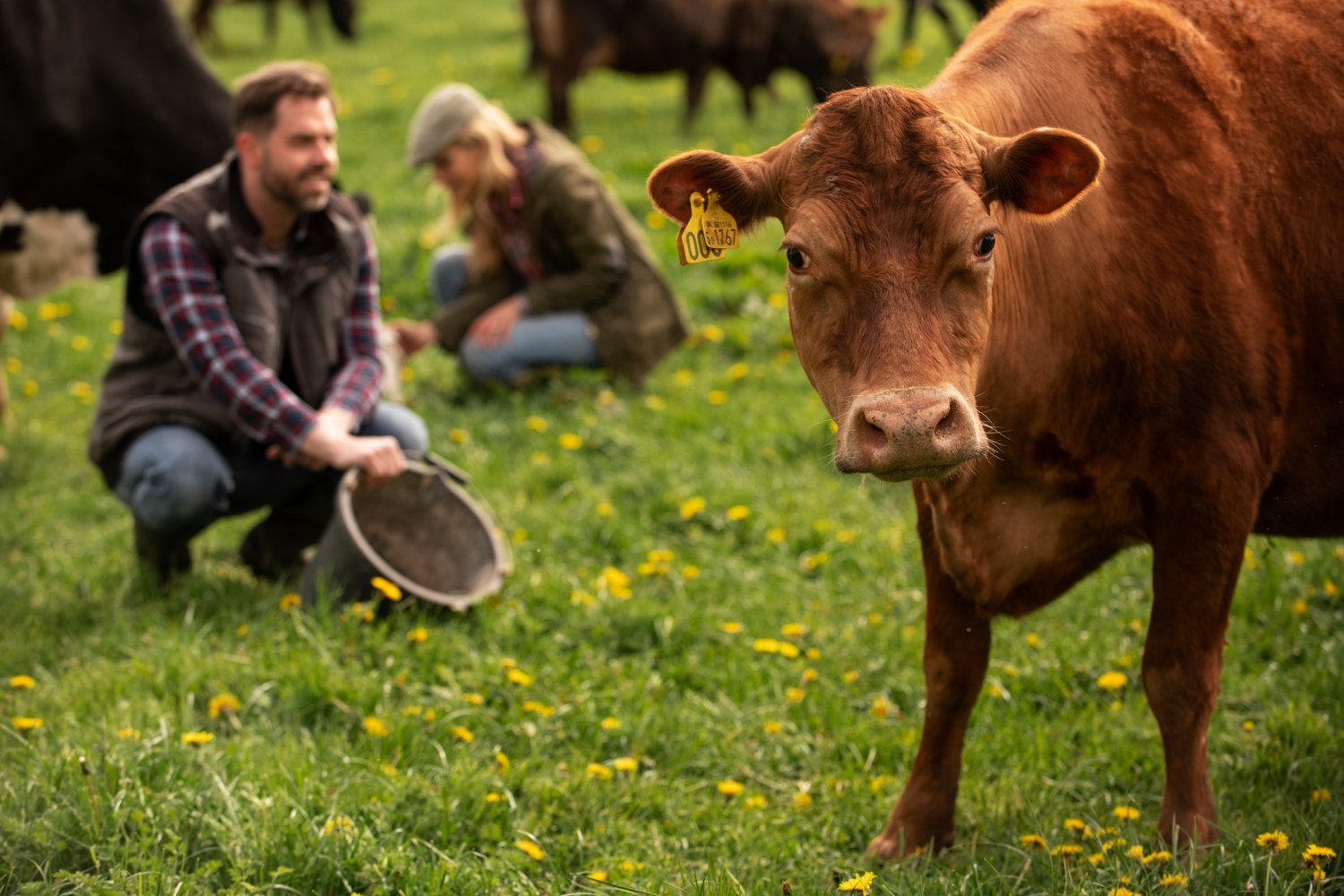
Bird flu spreads between dairy cows through infected animals and through contaminated milk, equipment, vehicles, clothing, footwear and other items, as well as people who visit different farms. Protective measures therefore cover not only the animals but everything that comes onto the farm. A single vehicle, bucket or pair of boots can be enough to carry the virus into another herd. For a farmer this means that even a healthy-looking farm can bring in infection if the entrance, clothing and tools are not kept clean. That is why specialists insist on a strict separation of clean and dirty areas.
Signs of disease in cows
WSDA is asking farmers across the state to report any clinical signs to their vet. The department’s list includes:
- a change in the milk: it becomes thicker, often yellowish or brownish;
- a drop in milk yield;
- loss of appetite;
- raised temperature;
- respiratory signs;
- changes in the dung;
- a sharp reduction in cudding and rumen movement.
If such signs appear, sick animals should be isolated and the farmer should call the vet and WSDA. Reporting early to the vet matters: the sooner sick animals are isolated, the less chance the virus has of reaching the rest of the herd. Most cows that catch the flu recover with supportive care, and full recovery of a herd usually takes 4–6 weeks.
What the state veterinarian says
Washington State Veterinarian Amber Itle acknowledged that the new case is discouraging for farmers but stressed what the industry has achieved. She said that limiting the spread of the virus in the region is a significant achievement and reflects the dedication of farmers, vets and farm workers.
I urge everyone to keep going, stay the course and look after one another. Your work matters, and it is making a difference.
Amber Itle, Washington State Veterinarian
Milk safety
The authorities stress that pasteurised milk and dairy products remain safe for consumers, and no milk shortage is expected. Pasteurisation inactivates viruses and bacteria, including the bird flu virus. Look for the words “pasteurised” or “ultra-pasteurised” on the label. Infected cows can shed the virus in their milk, so raw milk, cheese made from it and other unpasteurised products are not safe. This is also worth bearing in mind for people who buy products directly from farms. Health services advise avoiding raw milk, especially from infected or untested farms.
How to protect a herd
WSDA recommends following a biosecurity plan, or drawing one up with a vet, and adding enhanced measures:
- do not move lactating animals between farms unless necessary;
- do not share equipment, vehicles or staff;
- clean and disinfect footwear before entering livestock areas;
- limit visitors and require clean clothing and footwear;
- isolate new animals for 30 days;
- where possible, separate sick and suspect cows from healthy ones;
- do not put milk from sick cows into the bulk tank;
- limit access to open water used by wild waterfowl;
- control wild birds, rodents and other vectors.
Poultry and pets
Poultry are highly susceptible to bird flu, which can be passed on from other affected species. Other states have already reported outbreaks in commercial and backyard flocks near dairy farms affected by H5N1. Poultry keepers, including those with small backyard flocks, should watch for signs of disease and follow strict biosecurity: keep feed and water away from wild birds, change footwear before going in to the birds and do not bring items from other farms into the yard. WSDA specifically asks people not to give pets raw milk or dairy products, raw meat or dead birds. This applies to both cats and dogs: raw products and carcasses can carry the virus, and farm owners should keep pets away from cattle and poultry houses.
Risk to people
The US Centers for Disease Control and Prevention (CDC) and the Washington State Department of Health currently assess the risk to the public as low. However, people who work with or come into contact with infected birds, cows or other animals are at higher risk. They are advised to use protective equipment: gloves, masks, eye protection and waterproof overalls or outer clothing. Farm workers should tell a doctor if they feel unwell and should not hide that they have been in contact with sick cattle. This information helps health services react in time and protect other people working nearby.
A request to allow vaccination
At the same time, state authorities are pressing for new tools. In a letter of 5 November to US Agriculture Secretary Brooke Rollins, the National Association of State Departments of Agriculture (NASDA) and the National Assembly of State Animal Health Officials (NASAHO) asked USDA to immediately allow a voluntary national emergency vaccination system for dairy cattle against H5N1. They propose starting with a limited pilot in states that are willing to take part. Participation would remain voluntary and be agreed with the state veterinary service.
According to the letter, the system would allow USDA, the states and the industry to assess vaccine effectiveness, surveillance protocols, implementation needs and the possible impact on trade. It also proposes a working group including state animal health officials. The group would set the criteria for participation, the rules for using vaccines, post-vaccination surveillance, animal identification and movements, and the conditions for expanding or stopping vaccination. Vaccines should not replace surveillance, biosecurity, movement controls and traceability but should complement them.
The supporters’ arguments
NASDA chief Ted McKinney said the dairy industry needs effective tools and that current measures are not enough: veterinary countermeasures are needed. NASAHO president Alex Hamberg said bird flu remains a serious threat to animal health, food supply and trade. The letter notes that natural immunity after the disease is short-lived and herds can be reinfected. Without a coordinated strategy, the authors warn, H5N1 risks becoming endemic in US dairy cattle.
dvm360 (APHIS); 20 November 2026
The scale and cost of the outbreak
According to USDA’s Animal and Plant Health Inspection Service (APHIS), 1,234 cases in cows have been confirmed since 2024: 917 in 2024, 171 in 2025 and 146 in 2026. In the 30 days to 19 November there were 44 cases in seven states, at least 30 of them in Washington. According to the letter, many sick cows never return to their previous milk yield; they are culled early, die or abort late in pregnancy. Some farms have lost up to 700,000 dollars in revenue. The letter also points to trade: prolonged outbreaks raise the risk of export disruption, extra certification requirements and lower confidence in US dairy products, beef and poultry.
What it means for Europe
The sources do not report any confirmed cases of H5N1 in dairy cattle in EU countries or the UK, so this news does not mean a direct threat to European farms. We do not give details of the situation in Europe here: current data and rules come from national veterinary services, in the UK from APHA and Defra. But the lessons apply here too: the disease spreads through movements of animals, people and machinery, pasteurisation makes milk safe, and raw milk and raw pet food carry a risk. Vaccines for dairy cattle are not yet authorised in the US, and European farmers should likewise follow only the decisions of their own authorities. Farmers and poultry keepers would be wise to keep up biosecurity and report unusual signs to their vet.
What owners should do
Farmers should review their biosecurity plan, limit visits and sharing of machinery and keep an eye on cows’ milk yield and appetite. Poultry keepers should reduce contact between their birds and wild birds and keep other animals away from feed and water. Cats and dogs should not be fed raw milk, raw meat or carcasses. If animals show any suspicious signs, isolate them and contact a vet rather than treating them yourself. No decision has yet been taken on vaccinating cattle in the US: USDA has to respond to the states’ request. According to the letter, the department says it supports rapid development and timely approval of vaccines, and several candidates are in field trials or awaiting emergency authorisation. For now, the fight against the outbreak relies on surveillance, biosecurity and movement controls. If you have questions about a particular animal, talk to your vet.
Sources
- Morning Ag Clips (WSDA), 24 November 2026
- dvm360 (NASDA/NASAHO), 20 November 2026