Contents
- What happened
- Cameron and neighbouring counties
- Hidalgo: two more cases
- A pig infested
- The first case this year
- What the parasite is
- What the authorities are doing
- Rules in the infestation zone
- Commercial herds are far away
- How to protect animals
- Signs of infestation
- Dogs, horses and wildlife
- Meat safety
- What it means for Europe
What happened
New World screwworm is continuing to spread in the Rio Grande Valley in southern Texas. The local news site MyRGV reported on 25 November that on Tuesday 24 November officials learned of the first confirmed case in Cameron County. They were notified by the Texas Animal Health Commission (TAHC).
Cameron is part of infestation zone 45.A together with the neighbouring counties of Hidalgo and Willacy. According to MyRGV, the valley now has 12 confirmed cases: 8 in Starr County, 3 in Hidalgo and 1 in Cameron.
For animal owners in Europe it is above all a reminder of how quickly such a parasite can change the risk map, even on another continent. Below is what is known about the cases, the measures and the experts’ advice.
Cameron and neighbouring counties
Cameron County lies at the very south of Texas, on the border with Mexico and at the mouth of the Rio Grande. Cases had already been found in other counties of the valley, and the first case in Cameron shows that the outbreak is spreading along the river.
Zone 45.A covers three counties: Cameron, Hidalgo and Willacy. Owners in such zones must follow special requirements: inspections, treatment and restrictions on moving livestock. Details are published by the state animal health service and federal agencies.
For people living in the valley this means checking their animals especially carefully. Whether a particular farm is inside a zone can be checked with the state animal health service. Owners are advised to do this before moving any livestock, horses or dogs.
Hidalgo: two more cases
Hidalgo County announced two new cases on Tuesday. The first case there was found on 19 November, so within a few days the number of confirmed infestations in the county rose to three.
In Starr County, according to MyRGV, eight cases have been confirmed, the highest number among the three counties. The sources we used do not say which animals were infested in each county, so no conclusions about the species affected can be drawn from these figures.
A rise in cases does not mean the disease is passing between animals. Each case is a separate encounter between a wounded animal and a female fly. The number of confirmed infestations therefore also depends on how actively animals are being checked.
MyRGV, Pork Business; 25 November 2026
A pig infested
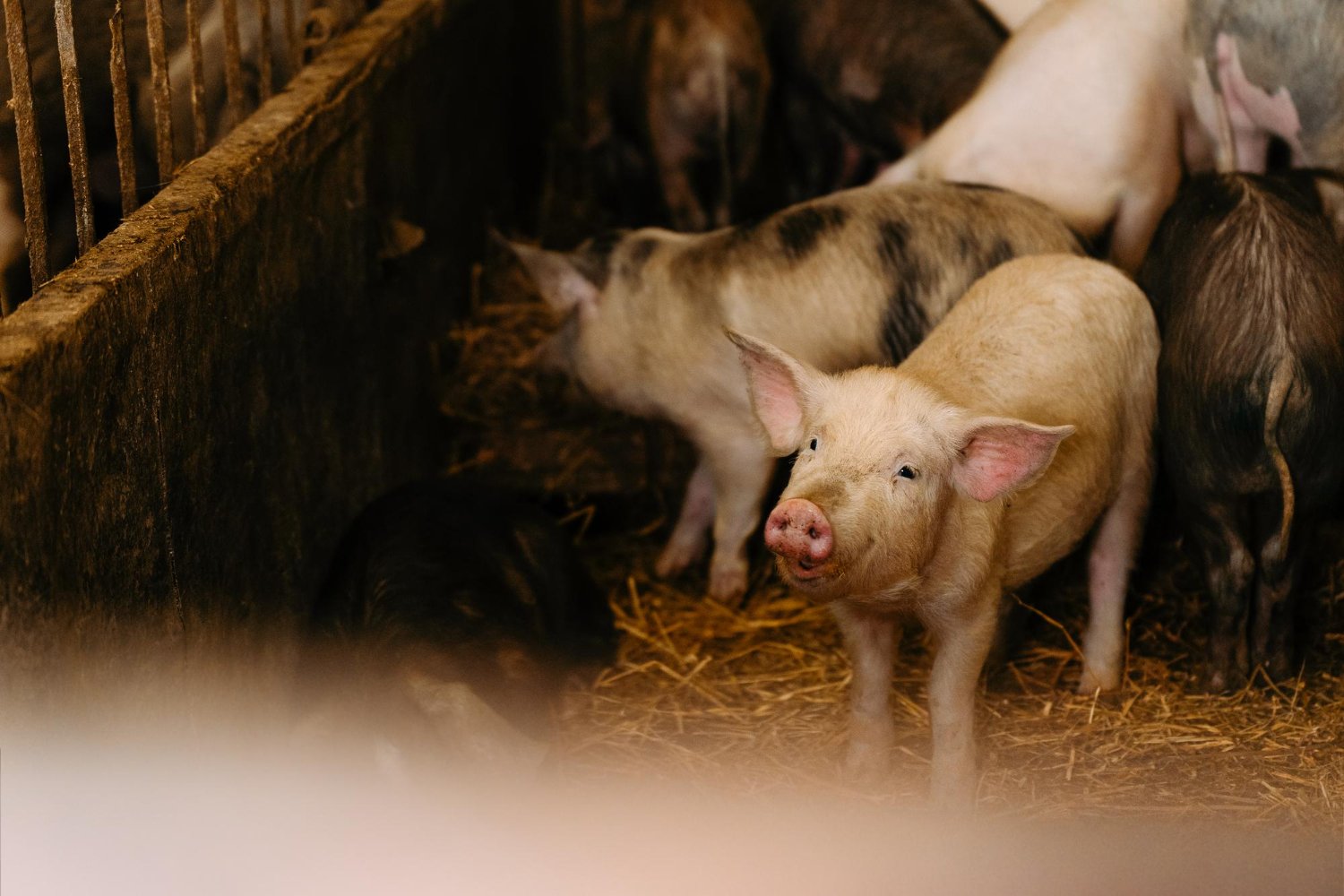
A separate development in recent days concerns pigs. According to the trade publication Pork Business on 24 November, on 23 November Zapata County, which also lies on the Rio Grande, confirmed the first US case of New World screwworm in a domestic pig.
The infestation was found in a castration wound. Dr T.R. Lansford, assistant state veterinarian of Texas and deputy executive director of the TAHC, said the animal was classed as a show pig.
The news also matters for owners of pet pigs and small farms. A wound after any procedure, whether castration, hoof trimming or an injection, needs particular attention during the fly season, especially in a warm southern climate.
The first case this year
The first infestation of a domestic animal in the US for several decades was found on 3 June in La Pryor, Texas, in a young calf.
Colby Ferguson, executive director of the Texas Pork Producers Association, said it was notable that the first pig was infested only months later. In his view this reflects good prevention: pigs are not kept on pasture like cattle, sheep and goats, so their risk is different.
The situation is developing and earlier information quickly becomes out of date. Owners should therefore base decisions on the latest updates from their state animal health service and on advice from their own vet.
What the parasite is
The New World screwworm fly lays its eggs in the wounds of warm-blooded animals. The eggs hatch into larvae that feed on living tissue and cause myiasis, an infestation of tissue by fly larvae. Without a wound the fly cannot lay its eggs: it needs a break in the skin.
Dr Dusty Oedekoven, chief veterinarian of the US National Pork Board, stressed that this is not a contagious disease and does not pass directly from animal to animal. “The risk should be taken seriously, but there is no need to panic,” he said.
The larvae grow in the wound and make it deeper, so without treatment the damage can become severe. Such wounds are treated by vets: they remove the larvae, clean the wound and choose approved medicines. Owners should not pick products themselves.
What the authorities are doing
According to Lansford, TAHC specialists together with the US Department of Agriculture have started an epidemiological investigation and containment measures. An infestation zone has been set up, and active and passive surveillance is under way, including inspections of animals.
Animal movements are also being checked, and treatment and movement certificates issued. Together with federal partners, the authorities are monitoring flies, releasing sterile flies and educating owners.
Sterile flies are reared in special facilities and released in areas at risk. Females that mate with sterile males lay eggs that cannot develop. The method takes time and requires continuous releases, so it is combined with inspection and treatment of animals.
Rules in the infestation zone
Ferguson reminded owners that the rules in the 20-mile infestation zone must be followed strictly. If a pig is taken to a show or competition outside the zone, it must be inspected and treated by a vet. Treatment is mandatory even if nothing is visible on the animal.
The certificate, he said, is valid for only 14 days. Before moving any animals, owners are advised to check whether their farm lies within an active infestation zone. Twenty miles is about 32 kilometres.
For young exhibitors this means extra work: a veterinary inspection, treatment and paperwork before every trip. These measures aim to stop animals carrying the parasite out of the zone.
Commercial herds are far away
Ferguson noted that 92 per cent of pigs in Texas are raised in five main counties of the Panhandle, in the north of the state, hundreds of miles from the Rio Grande Valley. “Our commercial herd is as far away from this problem as it could possibly be,” he said.
The weather adds another barrier. According to him, the fly’s pupae do not survive when the soil temperature is below 55 degrees Fahrenheit (about 13 degrees Celsius) or during long cold spells below 40 degrees (about 4 degrees Celsius).
Ferguson added that winter helps containment: once it gets cold in the Panhandle, natural movement of the fly into the region is unlikely. But the south of the state stays warm, so the risk remains there and inspections continue.
How to protect animals
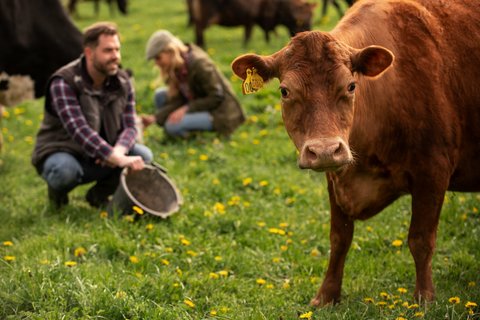
The main protection is the owner’s attention. Lindsay Cole, director of strategic communications at the US Department of Agriculture, urged all owners to check their animals regularly, especially any wounds, and to report larvae, wounds that are getting bigger, a foul smell and unusual behaviour immediately.
Lansford called New World screwworm a preventable and treatable parasite. The key measures are avoiding wounds, treating and covering existing wounds and using suitable preventive products. Which products to use and when is decided by the vet.
Regular farm hygiene is also part of the protection. Removing organic waste and keeping buildings clean take away places where flies like to live. Reducing fly numbers works as a biosecurity barrier against myiasis, Oedekoven stresses.
Signs of infestation
Oedekoven listed what to look out for in a herd: restlessness, head shaking, lethargy and loss of appetite. Wounds that do not heal should be checked for visible larvae and the typical smell of decaying tissue.
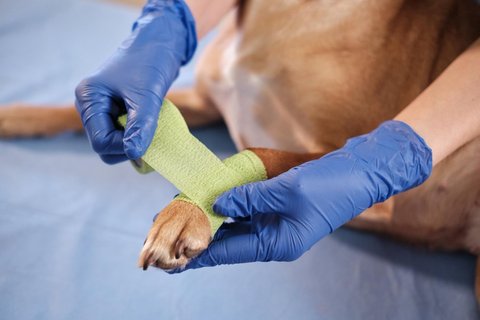
The same applies to dogs, horses and other animals. A small scratch, a bite or a surgical wound in any warm-blooded animal can become a site for eggs. If a wound does not heal, smells or contains visible larvae, the animal should be seen by a vet as soon as possible.
The Texas authorities put it this way: the best thing you can put on an animal right now is your own careful eye. If a dog or horse has a wound, it is worth showing it to a vet, and in a risk area it should not be left uncovered.
Dogs, horses and wildlife
All warm-blooded animals can be infested, so in the risk area it is not only livestock but also dogs and horses that are at risk. The authorities are also monitoring wildlife, including feral pigs, which live mainly in southern, central and eastern Texas.
Lansford urged owners, hunters and anyone who spends time outdoors to check animals as often as possible for infested wounds and to report suspicions to the TAHC, the Texas Parks and Wildlife Department or a vet.
Feral pigs can go unnoticed, so monitoring them is a separate task for the services. Ferguson said that in the Panhandle, Dallam County has already got rid of its feral pigs, and the neighbouring county is working on it together with the wildlife service.
Meat safety
Pork Business stresses that the pork supply remains safe. New World screwworm is an animal health issue, not a food safety issue.
For farmers the main practical point is that the outbreak is so far confined to southern Texas and to the infestation zone. At the same time, the agencies stress that the situation is developing and the data are being updated. Current updates are published on a dedicated federal website on the fight against this parasite.
The sources describe the problem as a veterinary one, so buyers of meat need not worry. It is animal owners in the zone and the services monitoring livestock movements and tracking new outbreaks who need to act.
What it means for Europe
New World screwworm is not present in the European Union or the UK: it occurs in the Americas. Even so, the news matters for owners and farmers who import animals from North or South America or travel there with them.
The general rules are simple: before a trip, check the requirements of the animal health authorities of the destination country and of the country you return to, and after the trip check your dog or horse for wounds. If you see larvae in a wound, contact a vet straight away and say where the animal has been. These are general recommendations, not official EU or UK rules for this outbreak.
If your animal has a wound that does not heal or smells, see a vet.
Sources
- MyRGV, 25 November 2026
- Pork Business, 24 November 2026