Contents
- What happened
- A single specimen
- Why it was thought extinct
- An unexpected encounter
- White patches behind the ears
- A mouse by the village
- A reserve of coffee forests
- Genetics needed
- What is known about the mouse
- What it eats
- Why semi-aquatic animals are hard to find
- Even locals did not know it
- Rodents are threatened too
- Ethiopia, a treasure trove of discoveries
- The Red List
- Threats to the species
- How rare animals are studied
- Money for searches
- Why it matters to people
- Rodents and disease
- Pet rodents
- Exotic rodents
- "Lost" species are returning
- What this means for Europe
- When to see a vet
What happened
On 9 November 2026, National Geographic reported the rediscovery of the Ethiopian water mouse. It is a semi-aquatic rodent that scientists had not seen alive for almost a century and considered extinct. Three animals were caught during a survey of the fauna of the Yayu Biosphere Reserve in south-west Ethiopia. The researchers planned to announce the find officially on 10 November.
A single specimen
The history of this species is unusual. The Ethiopian water mouse was discovered in 1927 and described in 1928 from one single specimen. Scientists never came across another individual. Everything known about it was based on that one find, kept in a museum collection. The species' Latin name is Nilopegamys plumbeus.
Why it was thought extinct
After 1927 the mouse was never recorded in the wild again. Most of the places in northern Ethiopia where it was first found were gradually turned into farmland and pasture. Repeated searches around the original site found nothing. Specialists therefore concluded that the species had most likely disappeared.
An unexpected encounter
The find was made by Mengistu Wale, an ecologist at the Ethiopian Biodiversity Institute. Checking a trap during the fauna survey, he saw a large brown rodent with shiny eyes. He said he was very excited when he first saw it and was 95% sure it was Nilopegamys.
National Geographic; 9 November 2026
White patches behind the ears
The mouse was recognised by its conspicuous white patches behind the ears, which other local rodents lack. Wale had deliberately set traps by water and in damp places, hoping one day to find the species. But even he had not expected to. After the first find, the scientists caught two more animals and compared them with the 1928 description.
A mouse by the village
The most surprising thing is where it was found. The animals were not deep in untouched forest but in a stream next to a village. Zoologist Alena Fornůsková of the Institute of Vertebrate Biology of the Czech Academy of Sciences said it was not in the heart of the reserve but beside farmland near a village, in the very stream where people wash their clothes.
A reserve of coffee forests
The Yayu Biosphere Reserve lies in south-west Ethiopia, far from the site of the first find in the north. It is one of the few remaining areas of montane tropical forest in Africa and one of the last places on Earth where wild arabica grows — the coffee from which cultivated varieties descend. The expedition was the first full survey of the reserve's fauna.
Genetics needed
The scientists are confident in their find, but genetic tests are under way for final confirmation. American zoologist Thomas Giarla, who was not part of the expedition, said that if confirmed it would be wonderful news. In his view the species is so distinctive that the experts' assessment based on appearance is very likely correct.
What is known about the mouse
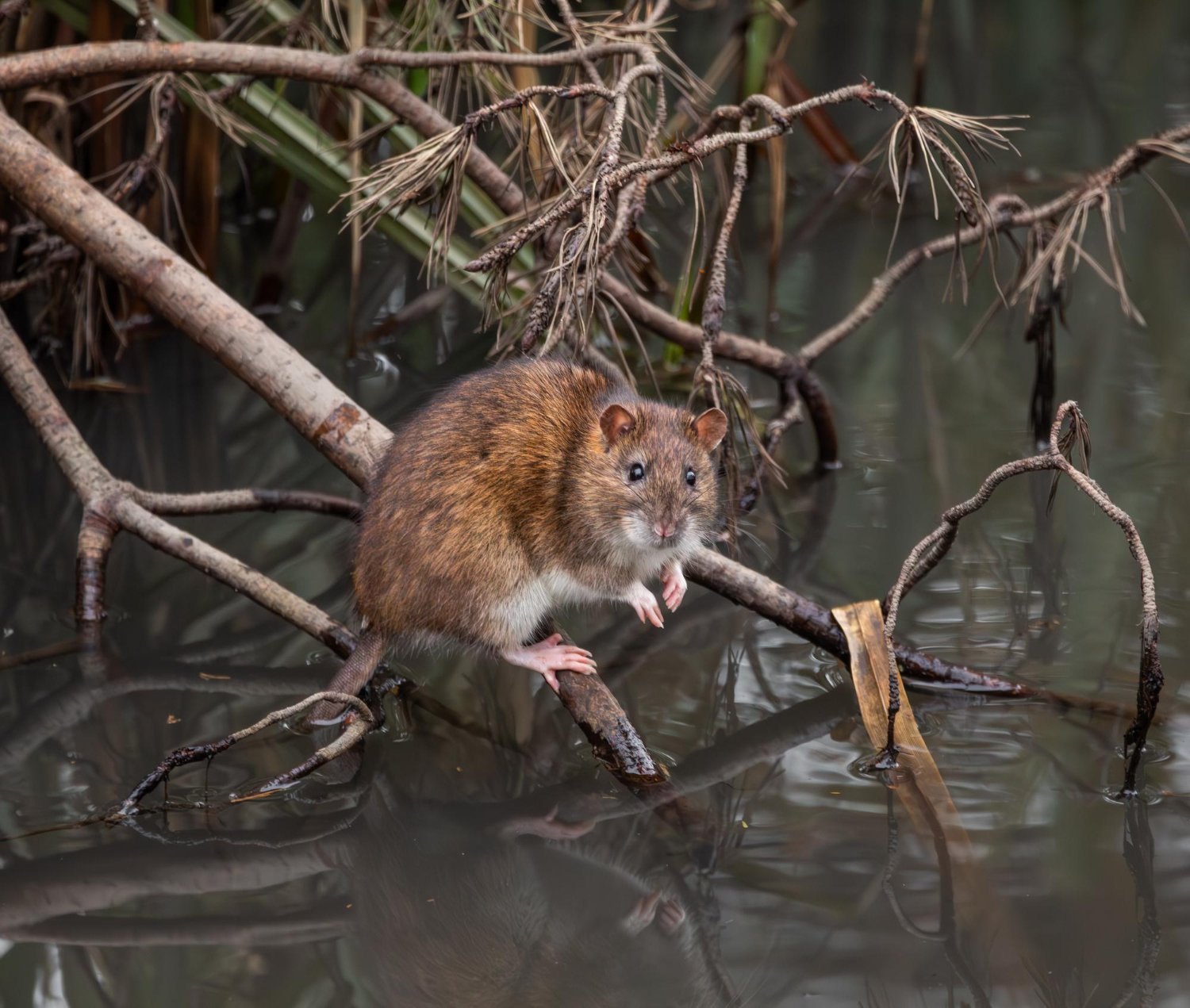
Almost nothing is known about the life of the Ethiopian water mouse. But its anatomy gives clues. Its dense, silky fur probably helps it stay afloat, and its large hind feet work like paddles. IUCN specialists note its large brain, swollen snout and many whiskers, which may help it find aquatic invertebrates.
What it eats
Scientists assume the mouse hunts aquatic insects and possibly small fish. But it was caught in a trap baited with ordinary peanut butter. The researchers now want to work out its diet using metabarcoding: fragments of DNA in droppings can show what the animal has recently eaten.
Why semi-aquatic animals are hard to find
According to Giarla, small semi-aquatic mammals are very elusive because ordinary traps are set on land and aquatic species easily slip through surveys. In 2021 he himself extracted DNA from the 1927 museum specimen to establish where the mouse sits in the rodent family tree.
Even locals did not know it
Even local guides, who know the rodents that damage crops well, had never heard of the water mouse. This shows how inconspicuous an animal living close to people can be. Such species are easily lost if nobody studies them specifically.
Rodents are threatened too
When people talk about rare animals, they usually think of large ones: elephants, tigers, rhinos. But there are more than 2,000 rodent species on the planet, and almost a quarter of them raise concern for the future. Many live in small areas and vanish unnoticed when forests are cleared and wetlands drained.
Ethiopia, a treasure trove of discoveries
Ethiopia has very rich and little-studied wildlife. A few years ago scientists described a new genus of rodents in the nearby Chingawa forest. Czech and Ethiopian zoologists have together described other small mammals new to science. Researchers are sure many unknown species are still hiding in the country's forests.
The Red List
Although the mouse had not been seen for almost a century, the IUCN continued to list it as critically endangered rather than extinct. That cautious approach has paid off. Scientists now need to find out how many water mice remain, where else they might live and what threatens them. Conservation measures depend on it.
Threats to the species
The main threat to the water mouse is habitat loss. The northern areas where it was first found have been almost entirely turned into pasture. Polluted streams, clearing of riverside forests and altered watercourses could destroy the last suitable sites too. The fact that the mouse lives near a village gives hope but does not guarantee its safety.
How rare animals are studied
Expeditions looking for rare species use baited traps, camera traps, and collect droppings and water samples. Traces of DNA in water can reveal which animals live in a stream without catching them. Such methods are becoming more common and are helping to find "lost" species around the world.
Money for searches
Searching for rare species requires money and time, which are often in short supply. According to Ethiopian zoologist Getachew Mulualem, the Yayu expedition was the first full survey of the reserve's fauna. He is convinced that similar surveys elsewhere would turn up new species and new habitats for known ones.
Why it matters to people
Healthy streams and forests are not only needed by mice. The same places give people clean water, fish, coffee and other products. If a rare semi-aquatic mammal lives in a stream, it means the water there is clean enough. Protecting such places protects both nature and the livelihoods of local communities.
Rodents and disease
Wild rodents can carry pathogens dangerous to people and pets. Studying little-known species helps us understand which microbes circulate in nature. This is one of the tasks of the One Health approach, which brings together medicine, veterinary science and ecology.
Pet rodents
For owners of pet rodents — hamsters, rats, guinea pigs, chinchillas — this story is a reminder of how diverse this group of animals is. Each species has its own needs for food, temperature, humidity and exercise. Before buying, it is important to learn how to care for that particular species and to find a vet who treats rodents.
Exotic rodents
Wild and rare rodents must not be kept as pets. Many species are protected by law, and catching and selling them is banned. Animals taken from the wild cope poorly with captivity and can carry disease. If you are offered an unusual animal of unclear origin, it is better to say no.
"Lost" species are returning
The Ethiopian mouse is not the only example. In recent years scientists around the world have found animals thought to have vanished: shrews, frogs, birds and insects. International projects keep lists of "lost" species and organise expeditions to search for them. Each such find gives a chance to save a species before it is too late.
What this means for Europe
Europe also has rare small mammals, such as water shrews and some vole species, about which little is known. The story of the Ethiopian mouse shows how important it is to support field research and museum collections. European scientists, like the Czech zoologists on this expedition, are actively involved in studying Africa's wildlife.
When to see a vet
Take a pet rodent to the vet if it stops eating, loses weight, has discharge from the eyes or nose, difficulty breathing, diarrhoea, overgrown teeth, bald patches or lethargy. In small animals illness develops quickly, so do not delay. If you find an injured wild animal, contact a local wildlife rescue or the RSPCA.
Sources
- National Geographic, 9 November 2026