Contents
- What happened
- How bird flu reached Australia
- A voluntary housing order
- One farmer's story
- "OK for the moment, hopefully"
- Cartons that say "free range"
- You can't print them overnight
- Fear of losing everything
- The chief vet's view
- The virus has not gone
- The risk to farms remains
- Bird welfare matters too
- Why hens are kept indoors
- The cost of confinement for hens
- What backyard keepers should do
- Bird flu and other animals
- The economics of eggs
- Surveillance continues
- The farmer's decision
- Signs of disease in hens
- Bird flu vaccines
- Why the virus has quietened
- What this means for Europe
- When to see a vet
What happened
On 11 November 2026 the Australian broadcaster ABC reported on how poultry farmers in South Australia are deciding whether to keep their free-range hens indoors. Three months ago the authorities asked them to house their birds voluntarily to protect them from H5N1 bird flu. Now there are fewer new cases in wild birds, and some farmers are letting their layers out again.
How bird flu reached Australia
For a long time Australia was the only continent the dangerous H5N1 strain had not reached. But in 2026 it was detected first in seabirds in Western Australia and then in South Australia. The number of detections in wild birds rose quickly, especially in South Australia, which became the main hotspot.
A voluntary housing order
The South Australian authorities did not impose a mandatory order but recommended that farmers house their free-range hens of their own accord. The recommendation is still in place and runs until 20 November. Farmers decide for themselves whether to follow it, taking into account the risk, conditions on the farm and the birds' welfare.
One farmer's story
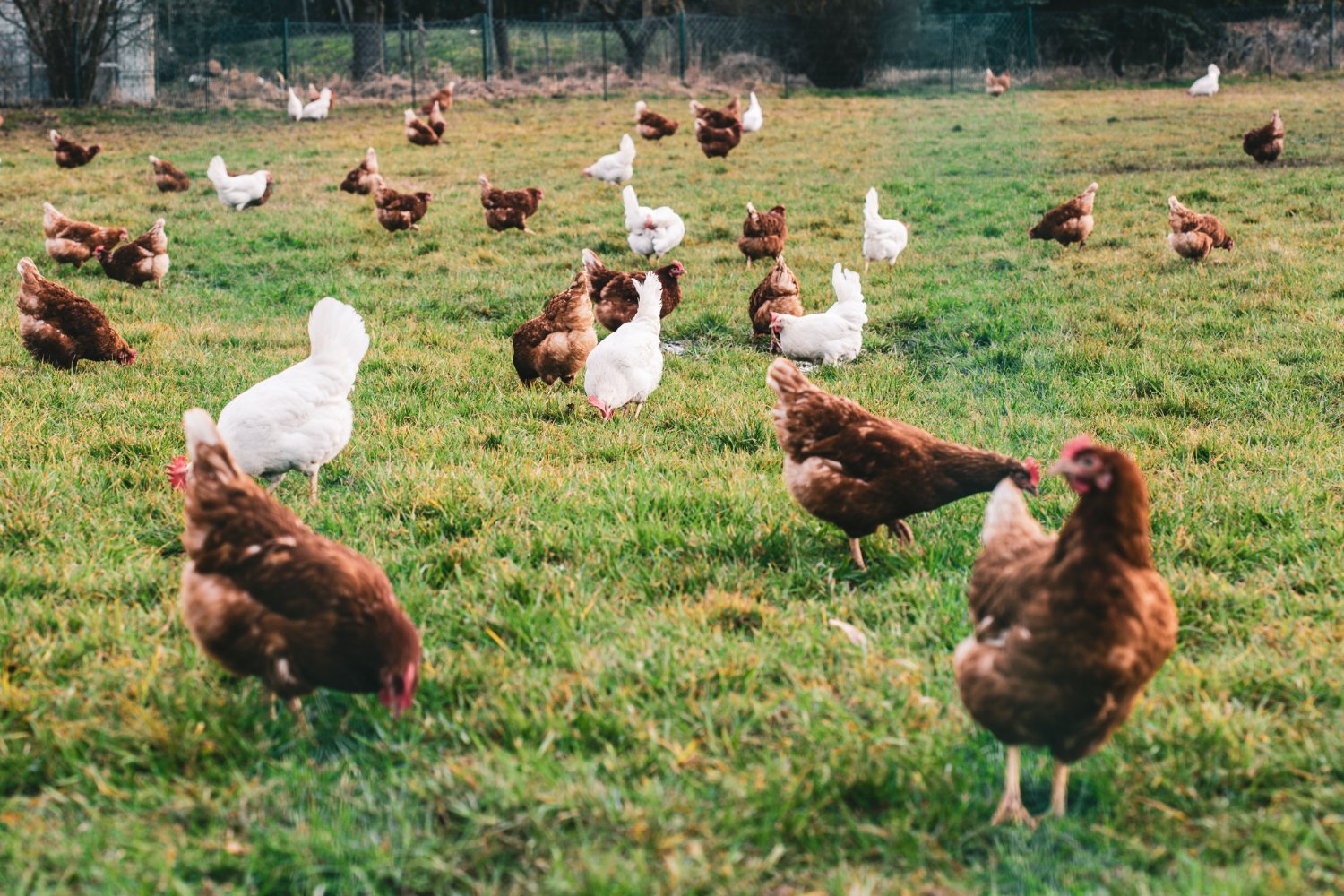
Darren Letton runs Glenview Poultry Farm at Pike River in the Riverland. In August, when the virus was found in wild birds and cases were climbing fast, he shut his hens in. "Having a voluntary order allowed us to make that decision for ourselves," he said. Last week Letton decided to let his hens out again.
ABC News; 11 November 2026
"OK for the moment, hopefully"
It was not an easy decision. "I feel like it's OK for the moment, hopefully," Letton says. He has talked to other producers: some still keep their hens locked up, some cannot do so because of conditions on their farms, and others are weighing the costs. He promises to keep a close eye on the spread of the virus.
Cartons that say "free range"
One reason was packaging. Because of bird flu, the Australian Competition and Consumer Commission, ACCC, allowed farmers to keep hens indoors and still market their products as free-range. But only for up to 90 days. After that, producers must use different labelling.
You can't print them overnight
"A lot of us have free-range egg cartons; we don't have barn-laid cartons," Letton explains — and they cannot be produced overnight. Changing packaging costs money, which is a noticeable expense for small farms. In recent months shoppers have seen "temporarily housed" stickers on free-range products.
Fear of losing everything
Letton admits he keeps wondering how much longer he can hold out. If the virus reaches his flock, it would destroy his business. He says that if it happens, that would be what makes him leave the industry. For many small poultry farmers, a single outbreak means the end of years of work.
The chief vet's view
South Australia's chief veterinary officer, Dr Skye Fruean, said the state had recorded 342 bird flu cases as of Monday 9 November, but detections have slowed in recent weeks. She was not surprised. "We don't have a crystal ball," she said. The authorities planned for the worst and hoped for the best.
The virus has not gone
Dr Fruean warns that it is too early to celebrate. All it takes is for the virus to spill into a new species for it to start spreading again, she says, so surveillance must continue. According to her, specialists are confident the spread has tailed off a little, but it certainly has not gone away completely.
The risk to farms remains
So far bird flu has not been found in any agricultural setting in Australia. Dr Fruean says that is very pleasing and she hopes it stays that way, but experience from overseas suggests it will probably happen at some point. The authorities and the poultry industry are planning measures to prevent it for as long as possible.
Bird welfare matters too
The chief vet stresses that the housing recommendation is a precautionary measure that is constantly reviewed. Keep hens inside if it is feasible and safe to do so, she advises. But welfare must also be considered: if a shed is crowded, hot or poorly ventilated, shutting hens in can do harm.
Why hens are kept indoors
Bird flu spreads mainly through wild birds, their droppings and feathers. Free-range hens can encounter them on the grass, at feeders or by water. Housing the birds removes that contact. That is why many countries impose housing orders during outbreaks — in Europe this autumn they apply in the Netherlands, Scotland and elsewhere.
The cost of confinement for hens
For hens used to ranging, life indoors is stressful. They lack space and stimulation, may peck each other and lay less. Farmers have to add bedding, hay, hanging vegetables and other enrichment and watch ventilation and temperature. In Australia's summer heat, keeping birds indoors is especially difficult.
What backyard keepers should do
People with a few hens in the garden are advised to:
- Avoid putting feed and water where wild birds come.
- Cover the run with netting or a roof.
- Not touch dead wild birds and report them to the authorities.
- Change footwear before entering the hen house.
- Call a vet or the hotline straight away if hens die.
Bird flu and other animals
In Australia, as elsewhere, H5N1 threatens more than poultry. It can affect wild seabirds, seals, foxes and cats. In outbreak areas cats are better kept from roaming freely, and dogs should be kept on a lead near water and on beaches where there may be dead birds.
The economics of eggs
Free-range eggs account for a large share of the Australian market, and shoppers are willing to pay more for them. If an outbreak reaches farms, it would affect both prices and choice in shops. In other countries, major bird flu outbreaks have led to egg shortages and higher prices. Australian producers hope to avoid that scenario.
Surveillance continues
South Australia's veterinary services continue to collect samples from dead wild birds and check suspicious cases. Residents are asked to report dead birds, especially if several are found in one place. These data show where the virus is active now and where the risk to farms is higher.
The farmer's decision
Letton's story shows how hard it is to make decisions amid uncertainty. On one side is the risk of losing the whole flock; on the other are costs, the birds' welfare and buyers' expectations. A voluntary recommendation gives farmers freedom but also puts the responsibility for the choice on them.
Signs of disease in hens
In hens, highly pathogenic bird flu often strikes very fast: birds die suddenly, sometimes without visible symptoms. Beforehand there may be lethargy, ruffled feathers, refusal of food and water, swelling of the head, a blue comb and wattles, diarrhoea and a sharp drop in laying. If several hens die within a day, there is no time to lose.
Bird flu vaccines
Some countries vaccinate poultry against bird flu — France, for example, vaccinates ducks. In Australia vaccination is being discussed as a fallback option. A vaccine reduces the severity of disease and the spread of the virus but complicates trade: some importing countries do not accept products from vaccinated birds. So decisions on vaccination always take exports into account.
Why the virus has quietened
Specialists link the drop in detections to seasonal changes: bird migration, the end of the breeding season and the weather. Some wild birds may have recovered and developed immunity. But this does not mean the virus has gone. With new migrating birds or a jump to new species, it may start spreading actively again.
What this means for Europe
European poultry farmers have long lived with bird flu and regular housing orders. Australia's experience, where the virus arrived only recently, is interesting for Europe in how the authorities choose between mandatory and voluntary measures and how they handle labelling. The EU also has a rule allowing free-range status to be kept during a compulsory housing period.
When to see a vet
Call a vet urgently if your hens suddenly start dying, become lethargic, stop eating, their combs and wattles turn blue, their heads swell or laying drops. Take your cat or dog to the vet if, after contact with a dead bird, it develops a fever, lethargy, a cough, problems with coordination or seizures.
Sources
- ABC News, 11 November 2026
- InDaily, 9 November 2026