Contents
- What happened
- A heifer in a hole
- An ordinary morning
- Tense and tired
- Light sedation
- An instant escape
- A calm casualty
- The lifting harness
- A loader instead of a crane
- A rare event
- Why you must not pull by the head or tail
- What to do if an animal has fallen
- Risks for a pregnant cow
- Sedating pregnant animals
- Hidden injuries
- Old holes on farms
- Dangerous places on pasture
- Large animal rescue in Europe
- The vet's role in a rescue
- Why the rescuers are volunteers
- Stress and recovery
- Insurance and costs
- Dehydration and hunger
- Downer cow syndrome
- How to prevent such accidents
- What this means for Europe
- When to see a vet
What happened
On Tuesday 10 November 2026, a pregnant heifer fell into a disused mine shaft on a farm near the town of Keyneton in South Australia's Barossa region. She dropped about three metres into an exploratory hole on an old quarry site. The Australian Broadcasting Corporation (ABC) reported how a vet and rescuers lifted the animal out.
A heifer in a hole
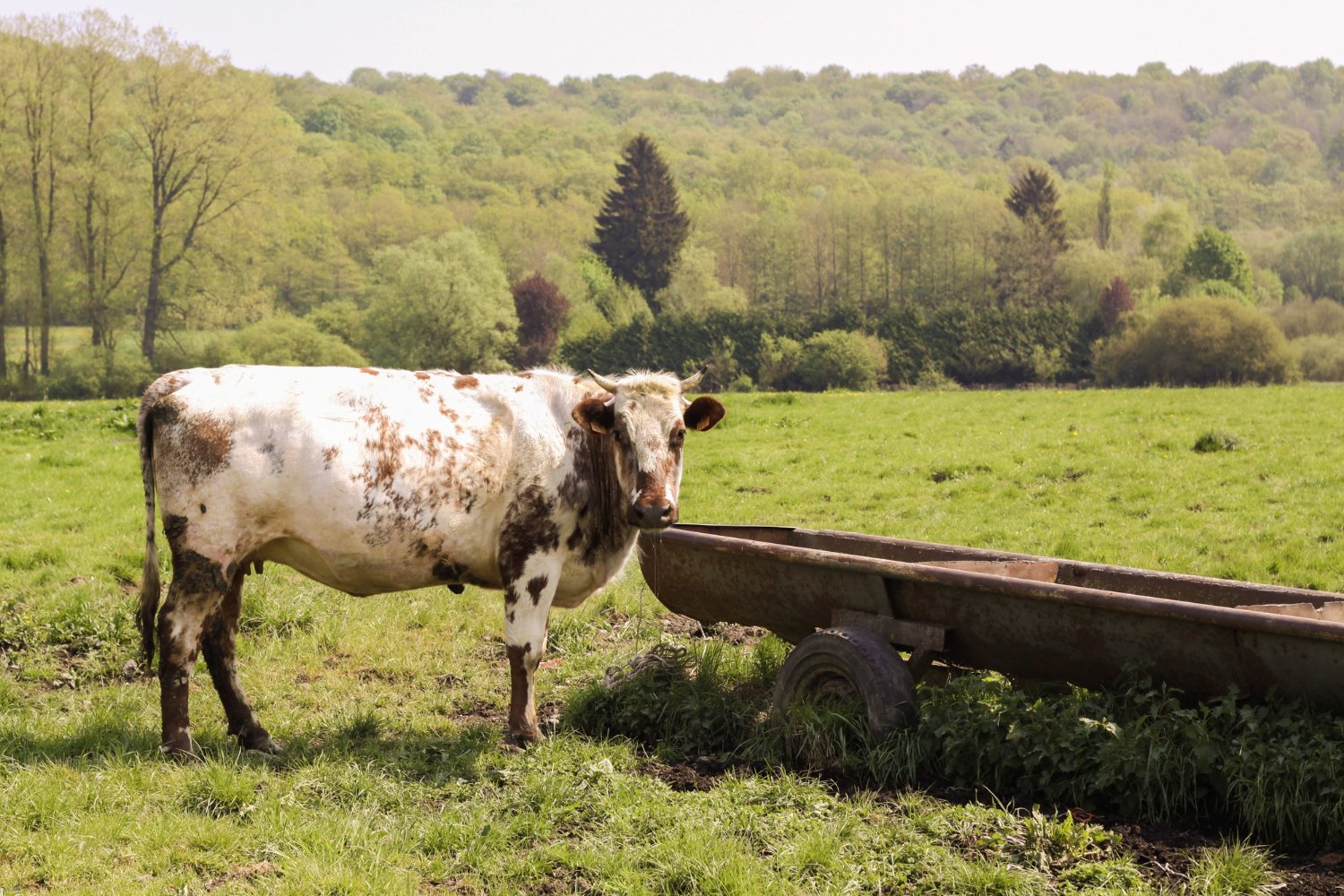
The heifer was three months pregnant. According to the rescuers, the shaft had been on the property for decades and had previously been covered. Branches and sticks lay on top. At some point in the morning the heifer walked across them and fell straight through. The vet believes she had spent much of the night trying to get out.
An ordinary morning
Local vet Saul Morelli of the Barossa Veterinary Service said the morning had begun like any other. Nearly 15 volunteers from the State Emergency Service (SES) and the Country Fire Service (CFS) came to the scene. Together they worked for about three hours until the heifer was brought to the surface.
Tense and tired
When he first went down into the hole, Morelli said, the heifer was tense and did not want anyone to come near her, which was understandable. She was clearly fed up with the whole situation. In his words, she was stressed but also very tired: she had spent much of the night trying to climb out.
ABC News; 11 November 2026
Light sedation
To secure the animal safely, the vet gave the heifer a light sedative. This reduces stress and the risk of the animal thrashing about and injuring itself or people. The heifer was then fitted into a special lifting harness. Morelli recalls that after sedation, just before the lift, she was almost falling asleep.
An instant escape
But adrenaline, the vet said, took over. As soon as her feet touched the ground outside the hole she was off, and the team had to loosen all the straps in a hurry. Morelli called it one of the more unusual jobs he has attended. The heifer escaped with a few cuts and bruises and is in a stable condition.
A calm casualty
Gunther Schulz, deputy unit manager of the Kapunda SES, said the heifer was very calm for the situation she was in. She was standing at the bottom of the hole with scrapes and bruises on her legs but no serious injuries. The animal's calm made the rescuers' work much easier.
The lifting harness
A purpose-built harness was used for the lift. Schulz explained that it allows straps to be placed under and around the animal and supported by a spreader bar, giving the animal maximum comfort and safety. The spreader bar stops the straps from squeezing the animal's sides and spreads its weight evenly.
A loader instead of a crane
The shaft was on top of a hill, and an ordinary crane could not reach it. So the rescuers used a neighbouring farmer's loader. Such resourcefulness often decides the outcome of large animal rescues in rural areas: heavy machinery is found nearby rather than waited for from town.
A rare event
According to Schulz, the lifting equipment is not used often. The team has many other techniques and tools for moving animals. The key in any animal rescue, he says, is to create a safe space for the animal, for the rescue crews and for members of the public.
Why you must not pull by the head or tail
When a cow or horse is stuck in a hole, ditch or mud, people often try to pull it by the head, neck or tail. This is dangerous: you can break the animal's neck or tail or damage its spine, and the animal itself may injure people. Professional rescuers use wide straps under the chest and pelvis and lifting devices.
What to do if an animal has fallen
If a cow, horse or other large animal has fallen into a hole or become stuck:
- Do not climb down to it without a safety line or get underneath the animal.
- Call a vet and the emergency services.
- Keep onlookers and other animals away.
- Do not pull the animal by the head, neck or tail.
- If possible, offer water and keep the noise down.
Risks for a pregnant cow
A fall and prolonged stress are dangerous for a pregnant animal. After an injury a pregnant cow may abort or calve prematurely. Vets therefore advise monitoring such animals for several weeks and, if necessary, checking that the calf is alive. At three months this can be done by ultrasound.
Sedating pregnant animals
Sedatives for pregnant animals are chosen with care. The vet takes into account the stage of pregnancy, the animal's weight, condition and stress. Some drugs can affect the uterus or the foetus, so they are used at the lowest effective dose. The decision to sedate is always made by a vet, not the owner.
Hidden injuries
After a fall an animal may have injuries that are not obvious at first: bruised muscles, joint damage, broken ribs or internal bleeding. For several days you should watch how the cow walks, eats, chews the cud, lies down and gets up. Lameness, refusing food or a bloated belly are reasons to call the vet again.
Old holes on farms
Disused shafts, wells, pits, silage trenches and old cellars are a hidden danger to animals and people. They are often covered with branches or boards that rot over time. Owners should know where such places are on their land and cover or fence them securely, especially on pasture.
Dangerous places on pasture
Besides holes, animals can get stuck in bogs, ditches, on steep slopes and in fences. Before turning livestock out onto a new pasture, it is worth walking it and checking. This is especially important for young animals that do not yet know the area and for pregnant ones, which are heavier and less agile.
Large animal rescue in Europe
In many European countries, fire and rescue services are also trained to rescue large animals. In the UK and Germany there are teams with lifting harnesses, special straps and experience of working with horses and cattle. Vets often train together with rescuers so that everyone knows who is responsible for what.
The vet's role in a rescue
On site, the vet assesses the animal's condition, decides whether sedation or pain relief is needed and monitors it during the lift. Sometimes the vet has to make the hard decision to euthanise if the injuries are incompatible with life. In the Barossa everything ended well, largely thanks to quick and well-coordinated work.
Why the rescuers are volunteers
In rural Australia many rescuers are volunteers. The SES and CFS rely on local people who undergo training and respond to call-outs. A similar system of volunteer fire and rescue crews exists in many European countries too, especially in rural areas.
Stress and recovery
After such an ordeal the animal needs rest. It is best to keep the heifer separately in a quiet place with water and feed until she calms down, and to keep an eye on her. Stress in cattle can reduce appetite and immunity. If she eats, drinks and moves normally over the next few days, that is a good sign.
Insurance and costs
Rescuing a large animal requires machinery, people and a vet. Costs are covered differently in different countries: sometimes the service is free, sometimes the owner pays for the vet and the equipment. Livestock insurance can help cover treatment after injuries.
Dehydration and hunger
An animal that has spent a night or longer in a hole may suffer from dehydration and hunger. In cattle this is especially dangerous, because the rumen stops working properly without a steady supply of feed and water. After a rescue, give the animal water and good hay and do not overfeed concentrates straight away. If the cow does not drink or chew the cud, a vet is needed.
Downer cow syndrome
If a cow lies or stands in an awkward position for a long time, the muscles and nerves in her legs can be damaged. Sometimes the animal then cannot get up even after the danger has passed. This is known as downer cow syndrome. The longer the animal is trapped, the higher the risk. That is why a quick rescue matters so much.
How to prevent such accidents
Farmers are advised to draw up a map of their land marking all holes, wells, ditches and old buildings. Dangerous spots should be filled in or covered with strong lids rather than branches and boards. Large holes need a fence around them. This protects not only livestock but also children, dogs and farm workers.
What this means for Europe
European farms are also full of old wells, pits and structures that new owners sometimes do not know about. The Australian story is a reminder that such places need to be found and covered, and that in an accident you should call a vet and rescuers rather than try to drag the animal out by force. The right equipment saves both animals and people.
When to see a vet
Call a vet if a cow, horse or other large animal has fallen, become trapped or been injured. After a fall, watch for lameness, swelling, refusal to eat, a bloated belly and vaginal discharge in pregnant animals. Urgent help is needed for bleeding, inability to stand or signs of abortion. In an emergency involving people, call 999.
Sources
- ABC News, 11 November 2026