
Veterinary care in the UK · Pet services
Boarding kennels, catteries and pet sitters in the UK: licences and what to check
Whether you are going away for Christmas, a summer holiday or a hospital stay, someone needs to look after your pet. In the UK the main options are boarding kennels and catteries, home boarders who take pets into their own homes, dog day care, and pet sitters who visit or stay in your home. The rules differ depending on the type of care and where in the UK you live. This guide explains which businesses need a licence, what the licence tells you and how to choose care your pet will cope with.
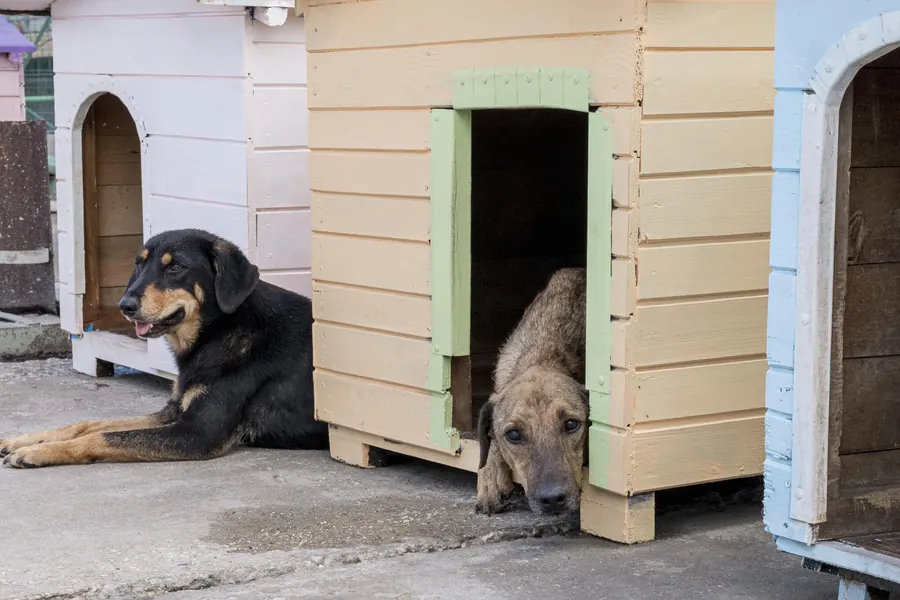
Boarding businesses in England must hold a council licence and meet standards for space, cleanliness and care.
Which services need a licence
In England, anyone who runs a business boarding cats or dogs needs a licence from the local council under the Animal Welfare (Licensing of Activities Involving Animals) (England) Regulations 2018. This covers:
- boarding kennels and catteries;
- home boarding, where dogs stay in the carer's own home;
- dog day care, where dogs spend the day at the business's premises.
Councils inspect premises before granting a licence and check them against national standards on space, hygiene, exercise, feeding, record keeping, staff training and emergency plans. The licence must be displayed, and many businesses also list their licence number on their website.
Pet sitters who look after animals in the owner's own home, and dog walkers, do not need a council licence in England. That makes your own checks more important.
The rules are different elsewhere in the UK. In Scotland, animal boarding is licensed under the Animal Welfare (Licensing of Activities Involving Animals) (Scotland) Regulations 2021. In Wales, boarding establishments are licensed by councils under the Animal Boarding Establishments Act 1963. In Northern Ireland, contact your local council about current requirements. Wherever you live, your council can tell you whether a business holds a valid licence.
What the star rating means
In England, licensed businesses receive a star rating from one to five. The rating reflects both how well the business meets the welfare standards and how risky the council judges it to be. Businesses with a good track record and higher standards get more stars and longer licences, up to three years.
A lower rating does not necessarily mean poor care: a new business may start with a lower score simply because it has no history yet. Ask the business about its rating and the date of its last inspection. If anything worries you, the council's licensing team can help.
Choosing a kennel
Visit before you book. A good kennel will be happy to show you around, although some may limit access to kennel blocks to reduce stress and the spread of infection. Things to look at and ask about:
- Are the kennels clean, dry and free of strong smells? Is there fresh water in every run?
- How much space does each dog have, and is there a separate sleeping area that is warm and draught-free?
- How often are dogs exercised, and are they walked individually or in groups?
- Can you bring your dog's own bed, toys and food?
- Can staff give medicines, and how do they record them?
- Which vet do they use, and what happens if your dog becomes ill?
- Do they ask for proof of vaccinations?
Most kennels require up-to-date vaccinations against distemper, hepatitis, parvovirus and leptospirosis, and many also ask for a kennel cough vaccination. Check how long before the stay the vaccinations must be given, as some vaccines need time to work. Your dog should also be up to date with flea and worming treatment.
For anxious or older dogs, a short trial stay of a night or two before a long holiday can help them get used to the kennel.
Choosing a cattery
Cats are territorial and many find change stressful. A good cattery keeps cats from different households apart, with solid barriers or enough space between units to prevent cats sneezing on each other. Each unit should have a warm sleeping area, a separate litter tray and a run or outdoor area that is safe and secure. Cats from the same home can usually share a unit if they get on.
Catteries generally ask for vaccinations against cat flu and feline infectious enteritis. Cats Protection recommends visiting before booking and asking about how cats are cared for, fed and kept apart, and what happens if your cat needs a vet.
Some cats, especially older cats or those with medical conditions, cope better at home with a pet sitter. Others are happiest in a quiet, well-run cattery. Your vet can help you decide.
Pet sitters and dog walkers
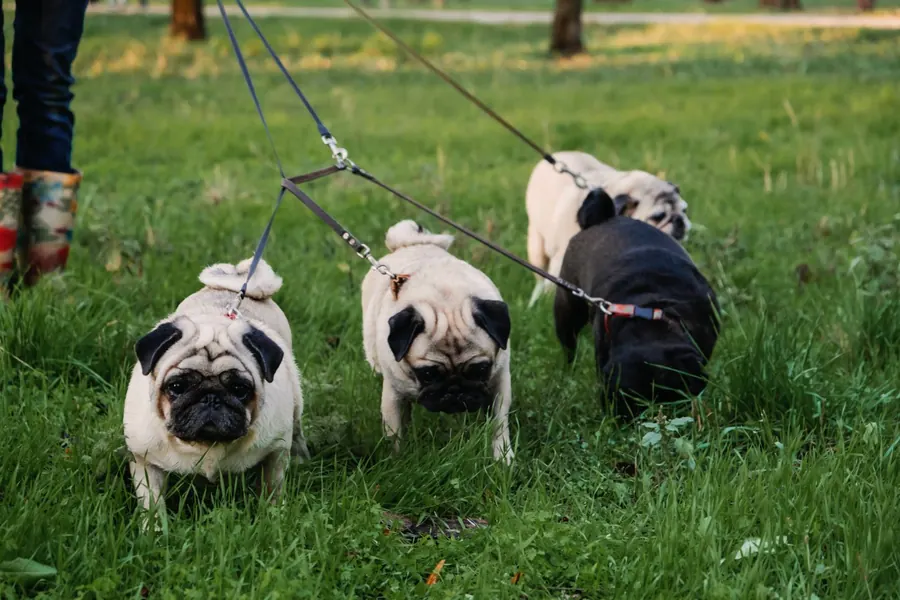
A pet sitter can visit once or twice a day, or stay in your home while you are away. This keeps pets in familiar surroundings and suits many cats and older dogs. Because sitters are not licensed in England, ask:
- whether they have insurance for pet care, including public liability and cover for keys;
- for references from current clients;
- whether they have a recent criminal record check, as they will have access to your home;
- about experience with your type of pet and any training in pet first aid;
- what happens if they are ill or cannot make a visit.
For dog walkers, also ask how many dogs they walk at once, where they go, whether dogs go off the lead and how they transport dogs. Some councils limit the number of dogs one person can walk in parks through Public Spaces Protection Orders.
Arrange a meet-and-greet before booking so that your pet can get to know the sitter.
Before you go
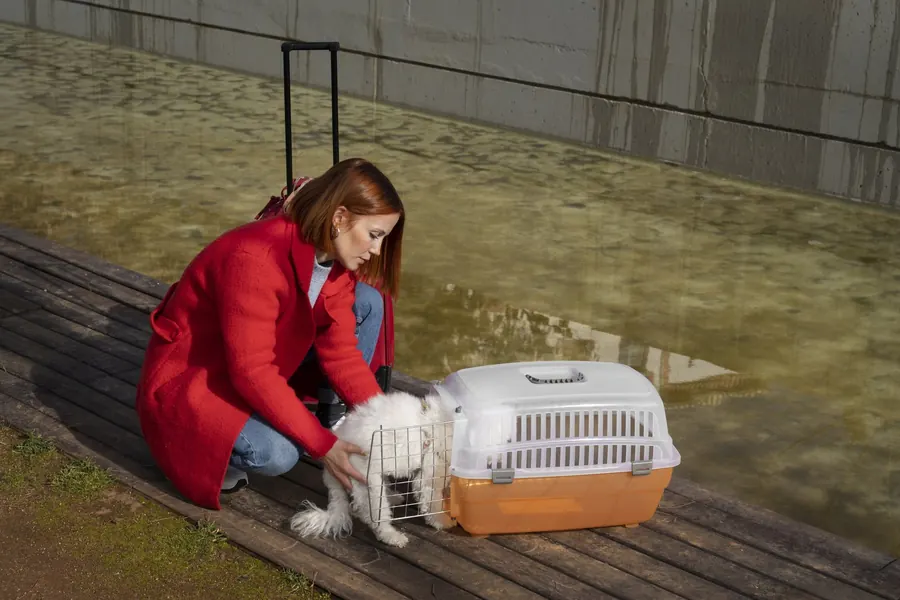
Whoever looks after your pet, a short written handover makes everything easier:
- feeding times, amounts and any foods to avoid;
- medicines, doses and times, in their original packaging;
- your vet's details, and permission for treatment and a spending limit;
- an emergency contact who can make decisions if you cannot be reached;
- your pet's habits, fears and favourite hiding places.
Make sure your pet's microchip details are up to date and that it wears a collar and tag with your details. Book early for Christmas and school holidays, when good kennels, catteries and sitters fill up quickly.
Frequently asked questions
How can I check a kennel's licence?
Ask the business for its licence number and star rating, and look for the licence on display. You can also contact your council's licensing team, which keeps a record of licensed businesses.
Does my dog need a kennel cough vaccination?
Most kennels ask for one, because kennel cough spreads easily where dogs are kept together. Check the kennel's rules and ask your vet about timing.
Is home boarding safer than a kennel?
Not necessarily. Home boarding suits some dogs, but in England home boarders must be licensed just like kennels. Check the licence, how many dogs they take and whether dogs from different families mix.
My cat is elderly. Should I use a cattery?
Some older cats cope well in a quiet cattery; others are less stressed with a sitter at home. Think about your cat's health and temperament and ask your vet.
Do pet sitters need a licence?
In England, sitters who care for pets in the owner's home do not need a council licence. Choose someone with insurance, references and a criminal record check.
Sources
- Animal activities licensing: statutory guidance for local authorities, Department for Environment, Food & Rural Affairs, accessed 2026-11-18.
- The Animal Welfare (Licensing of Activities Involving Animals) (England) Regulations 2018, legislation.gov.uk, accessed 2026-11-18.
- The Animal Welfare (Licensing of Activities Involving Animals) (Scotland) Regulations 2021, legislation.gov.uk, accessed 2026-11-18.
- Animal Boarding Establishments Act 1963, legislation.gov.uk, accessed 2026-11-18.
- Going on holiday without your cat, Cats Protection, accessed 2026-11-18.
 Seasonal careWinter and Christmas dangers for dogs and cats in the UKAntifreeze, grit, frozen ponds, chocolate, mince pies, lilies and tinsel: the winter and Christmas hazards for UK dogs and cats, and what to do if your pet eats something.
 Law and rulesFireworks and pets in the UK: the rules, the season and how to keep your pet calmUK firework rules and curfews, when fireworks season happens, how to prepare dogs, cats and small pets, building a den and when to ask your vet for help.
 Law and rulesPet theft in the UK: how to protect your pet and what to do if it is stolenHow to protect your dog or cat from theft, what the Pet Abduction Act 2024 changed, why microchips and ID tags matter and what to do if your pet is stolen.