
Veterinary care in the UK · Law and rules
Walking your dog in the UK countryside and on beaches: rules and hazards
Britain has thousands of miles of public footpaths, open moorland, woods and coastline, and walking them with a dog is one of the great pleasures of owning one. With that freedom come some rules, and a few hazards that are easy to avoid once you know about them. This guide covers the main rules for dog walkers in England and Wales, with notes on Scotland, and the natural hazards that most often catch owners out.
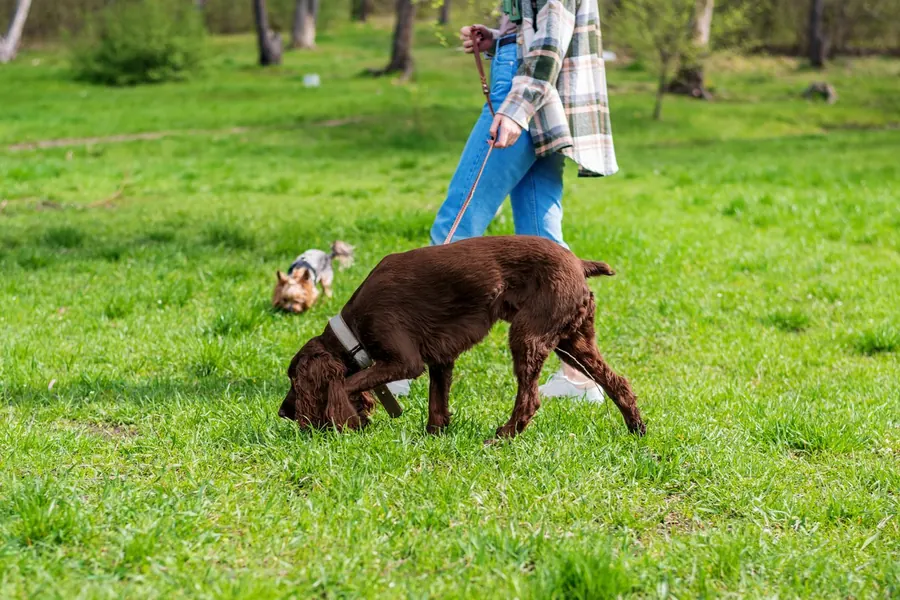
On open access land in England and Wales, dogs must be on a short lead from 1 March to 31 July.
The Countryside Code
The Countryside Code is the official guide to enjoying the countryside in England and Wales. For dog owners, its key points are:
- keep your dog under effective control, so it stays close and comes back on command;
- keep your dog on a lead around farm animals and wildlife;
- pick up dog poo and take it home or put it in a bin, even in the countryside;
- leave gates as you find them and follow local signs.
"Effective control" means your dog is on a lead, or within sight and responds reliably to your commands. If your dog does not come back when called, keep it on a lead.
Lead rules on open access land
The Countryside and Rights of Way Act 2000 gives people the right to walk on large areas of open access land in England and Wales, such as mountains, moors, heaths and downs. On this land:
- dogs must be kept on a lead no longer than 2 metres from 1 March to 31 July, to protect ground-nesting birds, even if there are no animals in sight;
- dogs must be on a short lead at all times near livestock;
- some areas have local restrictions or ban dogs at certain times, which should be signed.
On public footpaths and bridleways there is no general legal requirement to use a lead, but you must keep your dog on the path and under control.
Farm animals and livestock
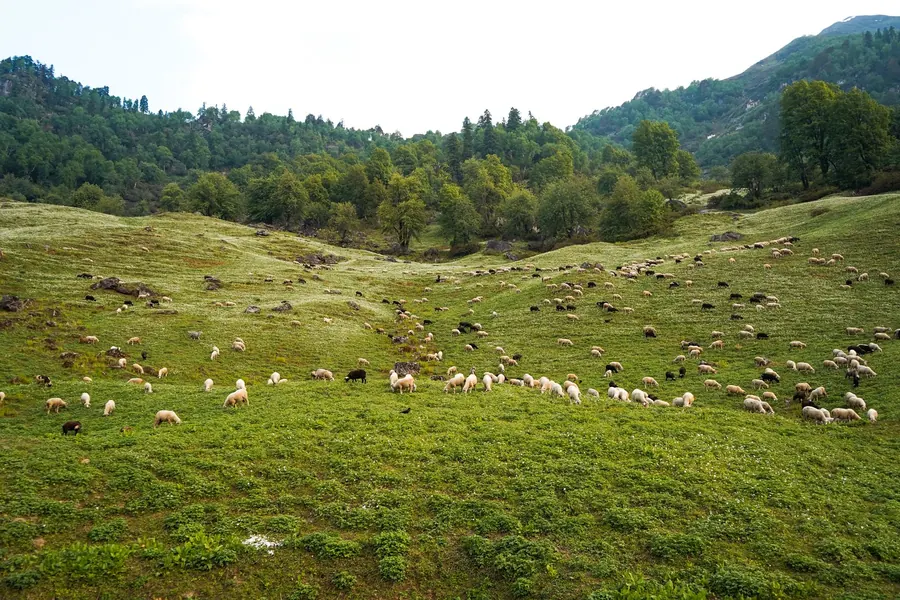
Livestock worrying, when a dog attacks or chases farm animals, is a criminal offence. It can kill sheep or cause pregnant ewes to lose their lambs, and in some circumstances a farmer may be entitled to shoot a dog that is worrying livestock. Even friendly dogs can trigger panic in a flock. Always use a lead in fields with animals, and keep your dog close in areas where sheep graze freely, such as moorland and fells.
Cattle can be dangerous, especially cows with calves, which may see a dog as a threat. If you need to cross a field with cattle:
- keep your dog on a short lead and walk calmly around the herd;
- do not get between cows and calves;
- if cattle chase you, let go of the lead. Your dog can outrun them, and you are safer without it. Head to the nearest exit.
Beaches and the coast
Many councils restrict dogs on popular beaches during the summer, often from around May to September. These rules are usually made under Public Spaces Protection Orders, and breaking them can lead to a fixed penalty. Check signs at the beach entrance or the council's website. Outside the restricted season, most beaches welcome dogs.
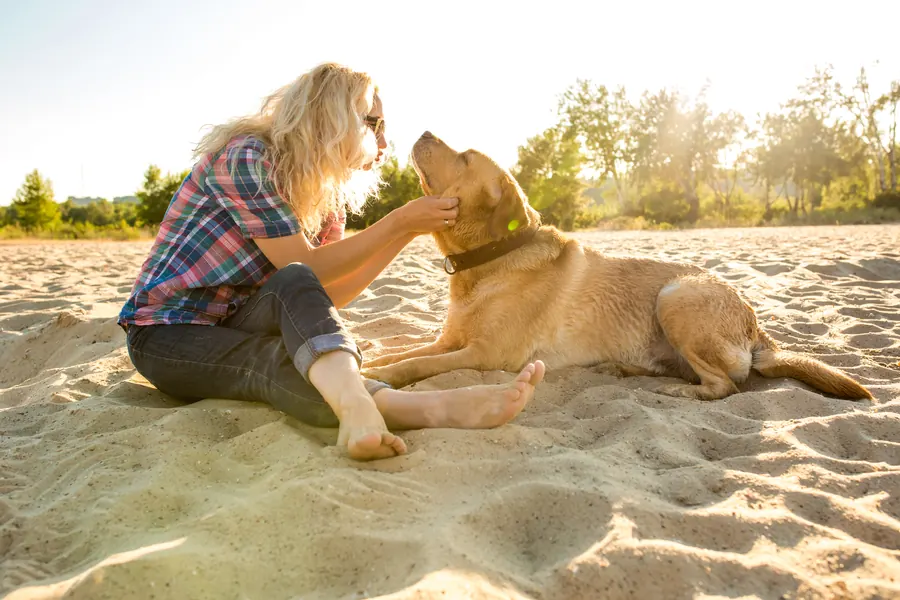
Hazards at the coast include:
- cliff edges, which can crumble; keep dogs on a lead on cliff paths;
- tides and currents, which can sweep dogs out to sea; do not go into the water after a struggling dog, but call 999 and ask for the Coastguard;
- drinking sea water, which can cause vomiting and, in large amounts, salt poisoning; take fresh water for your dog;
- jellyfish and dead fish, which dogs may roll in or eat;
- hot sand in summer, which can burn paws.
Blue-green algae
In warm, still weather, lakes, ponds and slow rivers can develop blue-green algae (cyanobacteria). Some blooms produce toxins that can kill dogs quickly, sometimes within hours. Blooms may look like green, blue-green or brown scum or flecks in the water, but toxic water is not always easy to spot.
- Keep dogs out of water that looks discoloured or scummy, or where warning signs are posted.
- Do not let your dog drink from it or lick its coat after swimming in it.
- If you think your dog has been exposed, rinse it with clean water and contact a vet immediately. Signs include vomiting, diarrhoea, drooling, weakness, breathing problems and seizures.
You can report a suspected bloom in England to the Environment Agency through its incident hotline.
Other countryside hazards
- Ticks live in long grass, bracken and woodland. Check your dog after walks and ask your vet about tick prevention.
- Adders, Britain's only venomous snake, live on heaths, moors and woodland edges, and are most often met between spring and early autumn.
- Poisonous plants and fungi, including yew, foxglove, acorns, conkers and some mushrooms, can make dogs ill if eaten.
- Water from streams and puddles can carry infections such as leptospirosis; vaccination protects against the main types.
What to take on a long walk
- a lead, even if your dog is usually off the lead, for livestock, roads and nesting areas;
- fresh water and a bowl, especially in warm weather and at the coast;
- poo bags, and a way to carry used bags until you reach a bin;
- a tick removal tool;
- your vet's phone number and the details of the nearest out-of-hours practice;
- a towel and a reflective collar or light for walks that end after dark.
Make sure your dog wears a collar and tag with your name and address, as the law requires in public places, and that its microchip details are up to date in case you become separated.
Scotland
Scotland has its own rules under the Scottish Outdoor Access Code. Dogs must be kept under proper control, and owners should not take dogs into fields where there are lambs, calves or other young animals. During the bird breeding season (usually April to July), dogs should be kept on a short lead or close at heel in areas such as moorland, forests and grassland. Owners must pick up after their dogs in public places.
Frequently asked questions
Does my dog have to be on a lead on public footpaths?
Not by law in general, but it must stay on the path and under effective control. Local rules may apply, and a lead is required around livestock and on open access land between 1 March and 31 July.
What should I do if a farmer says my dog worried sheep?
Stay calm and give your details. Livestock worrying can lead to police involvement and a claim for the damage. If your dog is injured, take it to a vet.
Are dogs allowed on the beach in winter?
On most beaches, yes. Seasonal restrictions usually apply in the summer. Check the council's rules for the beach you visit.
How do I know if water has toxic algae?
You cannot always tell by looking. Avoid water with scum, discolouration or warning signs, and keep your dog out of still water in hot weather if in doubt.
Can my dog swim in rivers and lakes?
Many dogs enjoy swimming, but watch for currents, cold water, steep banks and algae. Rinse your dog afterwards and give it fresh water to drink.
Sources
- The Countryside Code, Natural England and Natural Resources Wales, accessed 2026-11-18.
- Use your right to roam, GOV.UK, accessed 2026-11-18.
- Countryside and Rights of Way Act 2000, legislation.gov.uk, accessed 2026-11-18.
- Blue-green algae in dogs, The Royal Kennel Club, accessed 2026-11-18.
- Report an environmental incident, GOV.UK, accessed 2026-11-18.
- Scottish Outdoor Access Code, NatureScot, accessed 2026-11-18.
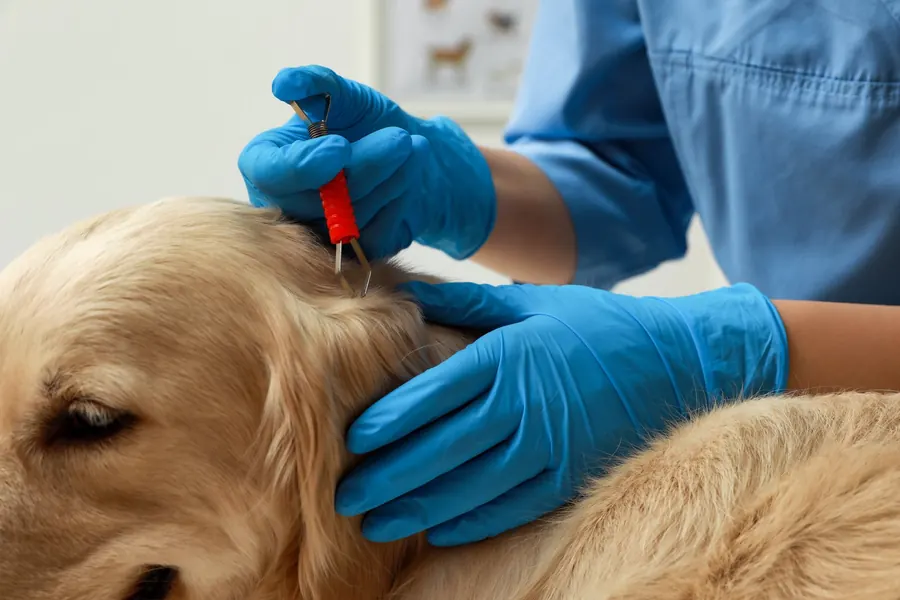 Parasites and diseasesTicks on dogs and cats in the UK: Lyme disease, babesiosis and safe removalWhere UK pets pick up ticks, the diseases ticks can carry such as Lyme disease and babesiosis, how to remove a tick safely and which treatments protect dogs and cats.
 Law and rulesPlanning for your pet's future: wills, care schemes and emergencies in the UKHow to make sure your dog or cat is cared for if you fall ill, go into hospital or die: wills, power of attorney, Dogs Trust and Cats Protection schemes and emergency cards.
 End of lifeCoping with the loss of a pet: grief and bereavement support in the UKGrief after losing a dog or cat is real and can be intense. How grief affects adults, children and other pets, ways to remember, and free UK pet bereavement services.