
Veterinary care in the UK · End of life
Coping with the loss of a pet: grief and bereavement support in the UK
For many people, a dog or cat is part of the family. They share daily routines, comfort us through hard times and are often with us for ten or fifteen years. When a pet dies, whether suddenly, after a long illness or through euthanasia, the grief can be as strong as grief for a person. Sometimes it takes people by surprise. There is no right or wrong way to grieve for a pet, and no fixed timetable. This guide describes what grief can feel like, how to support children and other pets, ways to remember your pet and where to find free support in the UK.
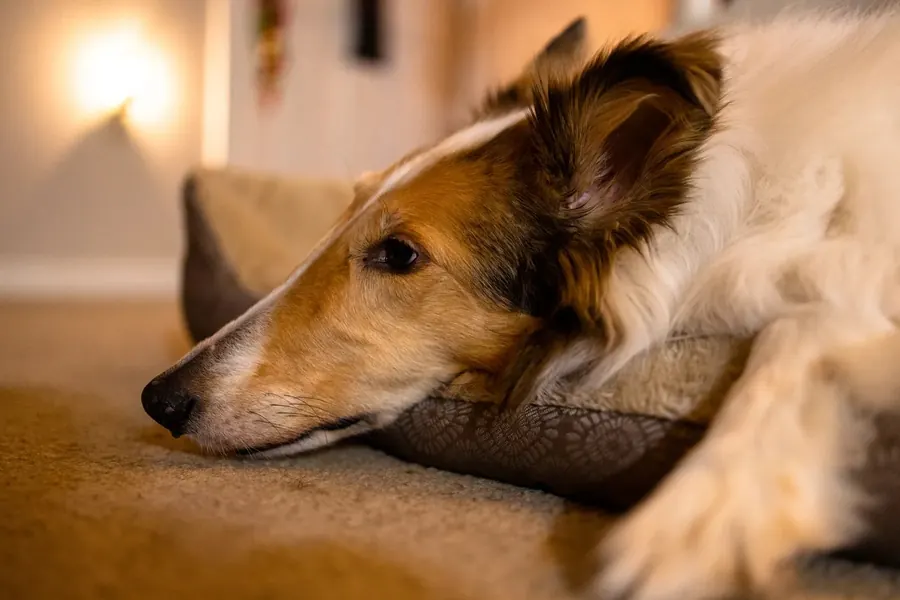
Losing a pet who has shared your home for years can feel like losing a member of the family.
What grief can feel like
Grief after the loss of a pet can include:
- sadness and crying, sometimes in waves triggered by an empty bed, a lead by the door or a routine such as feeding time;
- guilt, especially after euthanasia or an accident: "Did I do the right thing?" "Should I have noticed sooner?";
- anger, at a vet, a driver, a family member or yourself;
- numbness or disbelief, particularly after a sudden death;
- physical effects such as tiredness, poor sleep and loss of appetite;
- loneliness, especially for people who live alone or whose pet was their main companion.
These feelings are normal. People sometimes feel embarrassed to grieve "only" for an animal, or meet friends and colleagues who do not understand. Your feelings reflect the bond you had, and they deserve to be taken seriously.
Guilt after euthanasia
Many owners who chose euthanasia go over the decision again and again. Vets recommend euthanasia when an animal's suffering cannot be relieved or its quality of life has become poor. Choosing a peaceful death to spare your pet pain is an act of care, even though it hurts.
If you have questions about your pet's illness or the decision, it can help to talk them through with your vet. Most practices are happy to arrange a call after a pet has died. Our guide to pet euthanasia in the UK explains how the decision is usually made and what happens.
Helping children
Children grieve too, though they may show it differently: through questions, play, changes in behaviour or seeming fine one moment and upset the next.
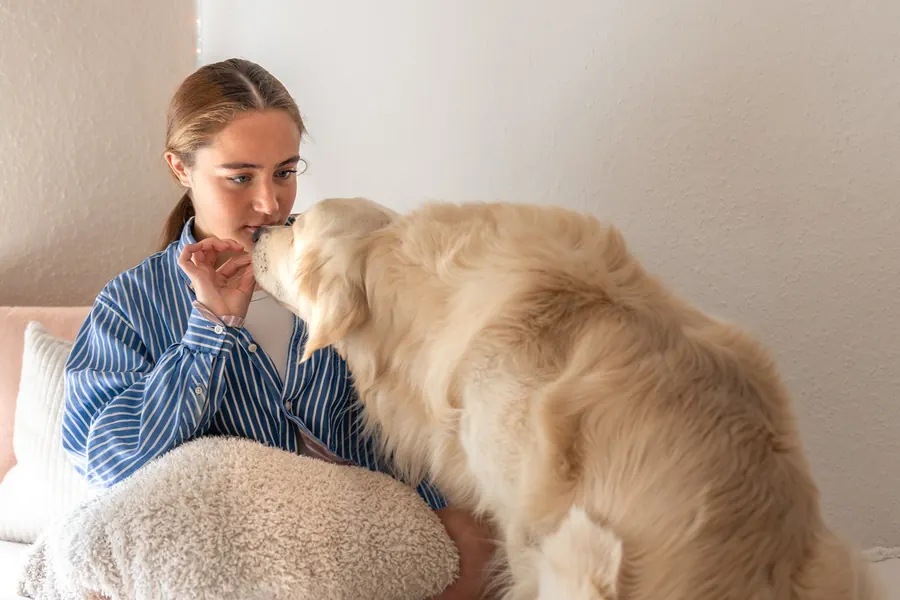
- Be honest and simple. Use clear words such as "died" rather than "went to sleep" or "went away", which can confuse younger children or make them afraid of sleep.
- Let them take part. Children may want to say goodbye, draw a picture, help bury the pet or plant a flower.
- Share your own feelings. Seeing adults grieve shows children that sadness is normal and that it gets easier.
- Tell the school if your child is very upset, so staff can understand changes in mood.
Other pets in the home
Other animals may notice the loss. Some dogs and cats search for their companion, become quieter, eat less or seek more attention. Some do not seem to react at all. Keeping to familiar routines helps. If a pet stops eating or seems unwell for more than a few days, check with your vet, as illness can look like grief.
Ways to remember your pet
Remembering your pet can be part of grieving. Ideas that families find helpful include:
- choosing cremation or burial that feels right for you (see our guide to pet cremation and burial in the UK);
- keeping the collar, a paw print or a lock of fur;
- making a photo book or framing a favourite picture;
- planting a tree or shrub in the garden;
- writing a letter to your pet, or putting together their story and photos on a memorial page that family and friends can visit;
- donating to an animal charity in your pet's name.
Free support in the UK
You do not have to cope alone. Several UK charities offer free, confidential support for people grieving the loss of a pet:

- Blue Cross Pet Bereavement Support Service offers support by phone, email and webchat from trained volunteers. It also helps people who are facing a decision about euthanasia or whose pet has gone missing.
- Cats Protection's Paws to Listen service supports people through the loss of a cat, including when a cat is very ill or missing.
- Your vet practice can often recommend local pet bereavement support, and some have staff trained in bereavement care.
If grief is overwhelming, if you cannot cope with daily life or if you have thoughts of harming yourself, please contact your GP. Samaritans are available day and night on 116 123, free from any phone. The NHS website also has information about grief and where to get help.
Supporting a friend who has lost a pet
If someone you know has lost a pet, a few simple gestures can mean a great deal:
- acknowledge the loss and use the pet's name;
- send a card or message, or share a favourite memory or photo;
- avoid phrases such as "it was only a dog" or "you can always get another one";
- offer practical help in the first days, such as a meal or company on a walk without the dog.
Grief can return around anniversaries, birthdays and the first holidays without the pet. A message at those times shows that you remember too.
When to get another pet
There is no right time. Some households feel ready within weeks, especially if a home without a pet feels too empty. Others need months or years. A new pet will not replace the one you lost, and that is not the point: each animal is an individual. It can help to wait until you can welcome a new pet for who it is, rather than expecting it to be like your previous one.
If you are thinking about rehoming, our guide to adopting a rescue pet in the UK explains how the process works.
Frequently asked questions
Is it normal to grieve this much for a pet?
Yes. Pets are often daily companions for many years, and grief reflects that bond. Many people find the loss of a pet as hard as other bereavements.
How long does grief for a pet last?
There is no set time. The pain usually becomes less intense over weeks and months, though anniversaries and reminders may bring it back. If grief is not easing or is affecting your daily life, talk to your GP or a support service.
Should my other dog see the body?
Some owners find that letting a companion animal see or sniff the body after death seems to help, while others prefer not to. There is no clear evidence either way, so do what feels right for your household.
Can I take time off work when my pet dies?
There is no legal right to bereavement leave for the loss of a pet in the UK, but some employers offer compassionate leave. It is worth talking to your manager.
Where can I talk to someone about my pet's death?
Free support is available from the Blue Cross Pet Bereavement Support Service and from Cats Protection's Paws to Listen. Your vet practice may also know of local services.
Sources
- Grief and loss, Cats Protection, accessed 2026-11-18.
- Pet Bereavement Support Service, Blue Cross, accessed 2026-11-18.
- Grief after bereavement or loss, NHS, accessed 2026-11-18.
- Samaritans, accessed 2026-11-18.
 Law and rulesRoad accidents involving dogs and cats in the UK: the law and what to doWhat UK law says if you hit a dog or a cat with your car, how to help an injured animal safely, who to call, and what to do if your own pet is hurt or missing.
 Parasites and diseasesLungworm in dogs in the UK: how dogs catch it and how to protect themLungworm (Angiostrongylus vasorum) is spread by slugs and snails across the UK. Learn the signs, how vets diagnose and treat it, and which wormers protect your dog.
 Parasites and diseasesAlabama rot in UK dogs: signs, risk and what to doAlabama rot (CRGV) is a rare but serious disease of UK dogs. Learn the skin signs, when cases peak, why it affects the kidneys and when to see a vet.