
Veterinary care in the UK · Law and rules
Road accidents involving dogs and cats in the UK: the law and what to do
Every year many dogs and cats are hurt or killed on UK roads. Cats are most at risk, because most are allowed to roam, and accidents happen most often at night and in the dark evenings of autumn and winter. Dogs are usually hurt when they slip their lead, escape from a garden or run out on a walk. Whether you are the driver or the owner, knowing the law and the practical steps can make a difficult moment a little easier. This guide covers England, Wales and Scotland, with notes on Northern Ireland.
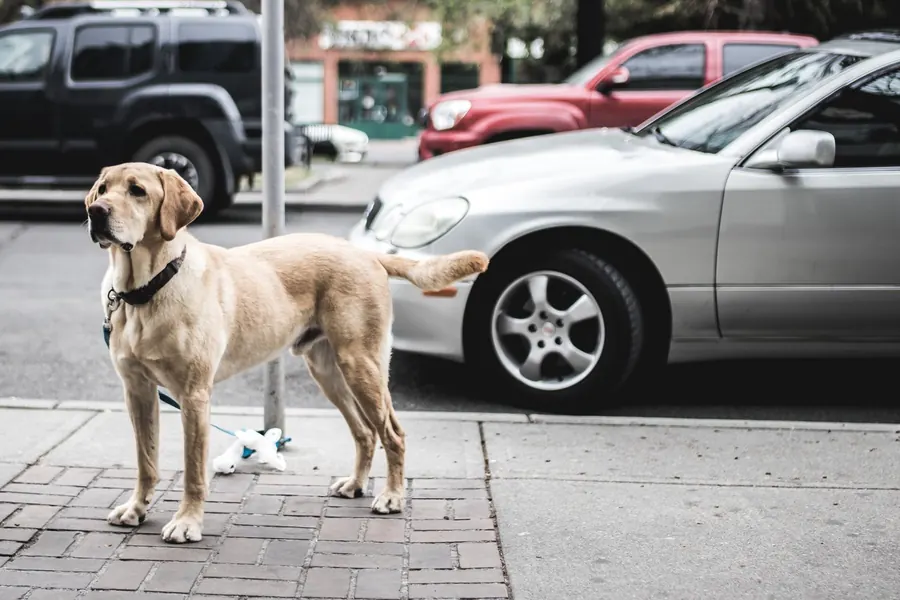
Drivers who hit a dog must stop, and report the accident to the police if they cannot give their details at the scene.
What the law says about hitting a dog
Under section 170 of the Road Traffic Act 1988, a driver involved in an accident in which an animal is injured or killed must stop. For this law, "animal" means a horse, cattle, ass, mule, sheep, pig, goat or dog.
If you hit a dog, you must:
- stop, as long as it is safe to do so;
- give your name and address, the vehicle owner's name and address and the registration number to anyone with reasonable grounds to ask for them, such as the dog's owner;
- if you cannot give your details at the scene, report the accident to the police as soon as reasonably possible, and in any case within 24 hours.
Failing to stop or report is a criminal offence. The Highway Code repeats these duties in its section on incidents. In Northern Ireland, similar rules apply under the Road Traffic (Northern Ireland) Order 1981.
If you hit a cat
Cats are not on the list of animals in the Road Traffic Act, so there is no legal duty to stop and report hitting a cat. Cats Protection and other charities still ask drivers to stop if it is safe and help. Many cats are microchipped, and a missing cat leaves a family searching and worrying for days.
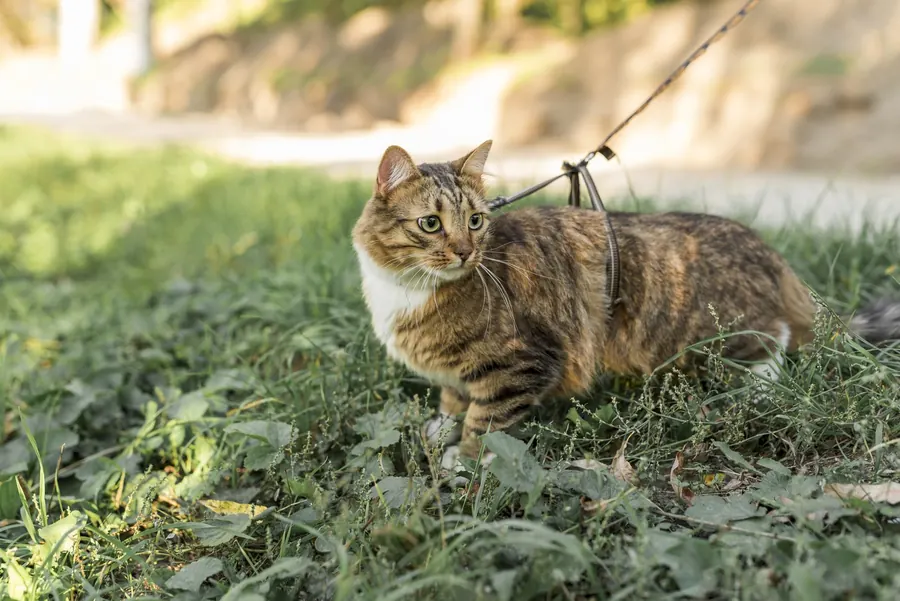
If the cat is alive, it needs a vet. If it has died, you can move it gently off the road if it is safe to do so, check for a collar or tag, and contact a local vet or the council. Vets can scan for a microchip free of charge and contact the owner through the microchip database.
Making the scene safe
Your own safety and that of other road users comes first.
- Pull over safely, switch on your hazard lights and stay out of the traffic.
- On a motorway or fast road, do not try to retrieve an animal from the carriageway. Call 999 if the animal is causing a danger to traffic.
- For a non-emergency report to the police, call 101.
- At night, wear something bright or use a torch.
Injured animals are frightened and in pain, and even a gentle family pet may bite or scratch. Approach slowly and speak calmly.
Getting an injured animal to a vet
If it is safe to move the animal:
- Dogs: slip a lead or belt around the neck if you can. If the dog may bite, a soft tie or scarf looped around the muzzle can protect you, but do not use it if the dog is struggling to breathe or vomiting. Use a coat or blanket as a stretcher and keep the dog's back as straight as possible.
- Cats: wrap the cat gently in a coat, towel or blanket, keeping its head uncovered, and place it in a box or carrier if you have one.
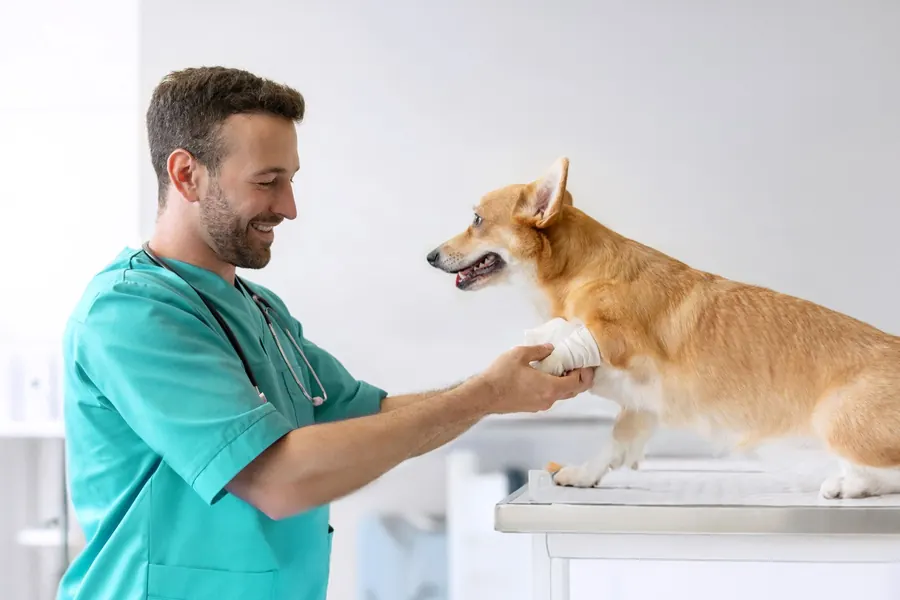
Take the animal to the nearest vet, phoning ahead if you can. Vets will provide emergency first aid and pain relief to injured animals and will try to trace the owner from the microchip. Out of hours, contact a local out-of-hours practice. If you cannot move the animal, the RSPCA in England and Wales, the Scottish SPCA in Scotland and the USPCA in Northern Ireland can give advice.
Internal injuries are common after road accidents and may not be obvious at first. An animal that seems to walk away unhurt can still have bleeding, broken bones or a damaged bladder or lungs.
If your own pet is hit or goes missing
If your pet is hurt in a road accident, take it to a vet straight away, even if it seems fine. Keep a note of what happened, the time and the place, and any details the driver gave you. If your pet is insured, contact your insurer about the claim.
If your cat or dog has gone missing near a road:
- contact local vets, the council and rescue centres;
- report your pet as missing to your microchip database and check your contact details are correct;
- for dogs, contact the council's dog warden service;
- ask neighbours to check sheds and garages, as injured cats often hide.
National Highways and many councils collect animals found dead on roads and scan them for a microchip so that owners can be told. Practice varies between councils, especially for cats. Campaigners, including the Gizmo's Legacy campaign, have pushed for a legal duty for all councils to scan and notify owners. Keeping your pet's microchip details up to date gives you the best chance of hearing what happened.
When a dog causes an accident
Dog owners can be liable if their dog causes a road accident, for example by running into the road and making a car swerve. Under the Animals Act 1971, keepers may be responsible for damage caused by their animals in certain circumstances. The Highway Code also says dogs should be kept on a short lead when walking on or near a road.
Third-party liability cover, included in many pet insurance policies, can protect you if your dog causes injury or damage. Check your policy.
Reducing the risk
- Keep dogs on a lead near roads and make sure gardens are secure.
- Use a reflective collar or harness on dark walks.
- Consider keeping cats in at night, especially if you live near a busy road. Many road accidents involving cats happen after dark.
- Neutered cats tend to roam less, which may reduce their road risk.
- Make sure your pet is microchipped, with up-to-date details. In England, cats as well as dogs must be microchipped.
Frequently asked questions
Do I have to report hitting a cat to the police?
No. The duty to stop and report applies to dogs and certain farm animals, not to cats. You should still stop if it is safe and help the cat get to a vet or let its owner know.
Who pays the vet if I take an injured dog in?
Vets provide emergency first aid and pain relief to injured animals. Once the owner is traced, the owner is usually responsible for further treatment. Ask the practice how they handle this.
What if the driver who hit my dog did not stop?
Report it to the police on 101. Failing to stop after hitting a dog is an offence. Note any details you have, such as the time, place and the vehicle.
Can I claim on my car insurance if I hit a dog?
Damage to your car may be covered by your motor insurance. If the dog was off the lead and ran into the road, the dog's owner may be liable. Speak to your insurer.
Should I move a dead animal from the road?
Only if it is safe to do so. On fast roads and motorways, do not stop on the carriageway. Report the animal to National Highways or the local council.
Sources
- Road Traffic Act 1988, section 170, legislation.gov.uk, accessed 2026-11-18.
- The Highway Code: breakdowns and incidents (274 to 287), GOV.UK, accessed 2026-11-18.
- The Highway Code: rules about animals (47 to 58), GOV.UK, accessed 2026-11-18.
- Animals Act 1971, legislation.gov.uk, accessed 2026-11-18.
- Cat road safety, Cats Protection, accessed 2026-11-18.
 Parasites and diseasesLungworm in dogs in the UK: how dogs catch it and how to protect themLungworm (Angiostrongylus vasorum) is spread by slugs and snails across the UK. Learn the signs, how vets diagnose and treat it, and which wormers protect your dog.
 Parasites and diseasesAlabama rot in UK dogs: signs, risk and what to doAlabama rot (CRGV) is a rare but serious disease of UK dogs. Learn the skin signs, when cases peak, why it affects the kidneys and when to see a vet.
 Pet servicesBoarding kennels, catteries and pet sitters in the UK: licences and what to checkWho needs a council licence to board dogs and cats in the UK, what the star ratings mean, vaccinations kennels ask for and how to choose a kennel, cattery or pet sitter.