
Veterinary care in the UK · Parasites and diseases
Alabama rot in UK dogs: signs, risk and what to do
Alabama rot is a rare but serious disease of dogs. Its scientific name is cutaneous and renal glomerular vasculopathy, usually shortened to CRGV. It damages small blood vessels in the skin and, in some dogs, in the kidneys. The disease was first described in greyhounds in the United States in the 1980s, which is where the popular name comes from. In the UK the first cases were confirmed in 2012, and since then cases have been reported in most parts of the country. The cause is still unknown, and there is no test that can predict which dogs will be affected. The good news is that the disease remains uncommon. Knowing the signs means you can get help quickly if your dog is unlucky.
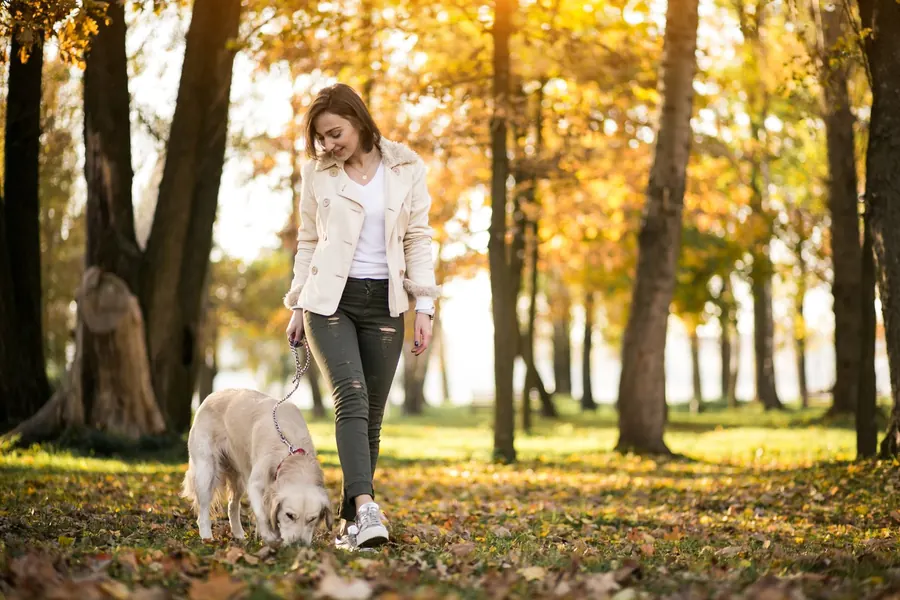
Most cases of Alabama rot in the UK are seen between November and May.
What Alabama rot does
In affected dogs, tiny blood clots form in small blood vessels. In the skin this causes sores and ulcers. In the kidneys it can lead to acute kidney injury, which is the dangerous part of the disease. Not every dog with skin lesions goes on to develop kidney problems, but dogs that do need intensive treatment, and many do not survive.
Because the skin signs usually come first, often a few days before kidney problems, spotting them early gives your vet the best chance to monitor and treat your dog.
Signs to look for
The first sign is usually a skin lesion that you cannot explain. Look for:
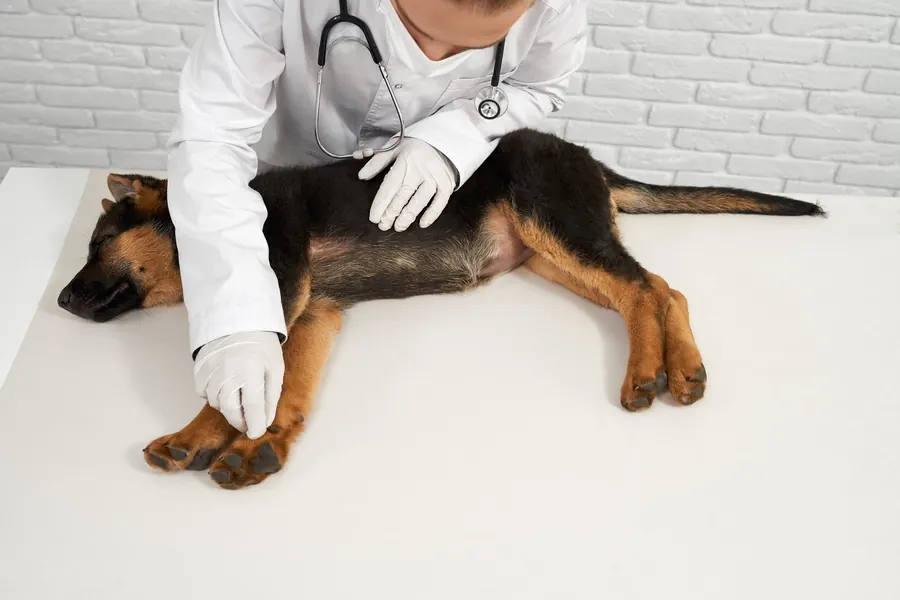
- a red, swollen or sore patch, an open ulcer or a raw-looking area;
- lesions most often on the lower legs and paws, but sometimes on the face, mouth, tongue or belly;
- licking at a sore area, or a dog that seems uncomfortable when walking.
Many skin problems look similar, and most sores on a dog's legs are caused by cuts, bites or infections, not Alabama rot. However, if your dog has a sore you cannot explain, it is worth having it checked by a vet, especially during the winter and spring.
Signs that the kidneys may be affected include:
- vomiting;
- loss of appetite;
- tiredness and lethargy;
- drinking and urinating more or less than usual;
- yellowing of the gums or eyes in some cases.
A dog with a skin lesion who then becomes unwell, stops eating or starts vomiting needs to see a vet urgently.
When and where cases occur
Most UK cases are seen between November and May, and fewer during the summer and early autumn. Many affected dogs had been walked in woodland or muddy areas, but the disease has also been found in dogs walked elsewhere, and no single place has been identified as the source.
Cases have been reported across England, Wales and Scotland. Anderson Moores Veterinary Specialists in Hampshire has been collecting and confirming UK cases for many years and publishes a map of confirmed cases. A confirmed case near you does not mean the area is unsafe: the overall risk to any one dog is very low.
Any breed can be affected. Some studies suggest certain breeds, including some gundog breeds, appear more often among cases, but this may reflect which dogs are walked in the countryside rather than a true breed risk.
What researchers know
Researchers in the UK have studied Alabama rot since the first cases were confirmed, but the cause has still not been found. Scientists have looked at possible links with bacteria and their toxins, environmental factors in woodland and wet ground, and the weather. Some studies have found that cases follow seasonal and regional patterns, which suggests an environmental trigger, but no single cause has been proven.
A similar disease has been reported in dogs in other countries, including the United States, where it was first described. Research continues, and vets in the UK are encouraged to report suspected cases so that patterns can be tracked.
How to describe a lesion to your vet
If you find a sore you cannot explain, a few details help your vet:
- when you first noticed it, and whether it is getting bigger;
- a photo taken each day, so changes are easy to see;
- where you have walked recently;
- whether your dog has had any vomiting, loss of appetite or tiredness.
Do not cover the sore with creams before your vet has seen it, unless they advise you to.
Diagnosis and treatment
There is no simple test for Alabama rot. Your vet will examine the lesions and take blood and urine tests to check kidney function. Dogs with suspicious lesions may be monitored with repeat blood tests over several days. A diagnosis can only be confirmed by examining kidney tissue, which is usually done after death.
There is no specific cure. Treatment is supportive: wound care for skin lesions, fluids and medicines to support the kidneys, and close monitoring. Dogs that develop kidney failure may be referred to a specialist centre. Dogs with skin lesions only, and no kidney involvement, usually recover well.
After walks
Because the cause is unknown, there is no proven way to prevent Alabama rot. Vets and The Royal Kennel Club suggest some sensible steps:
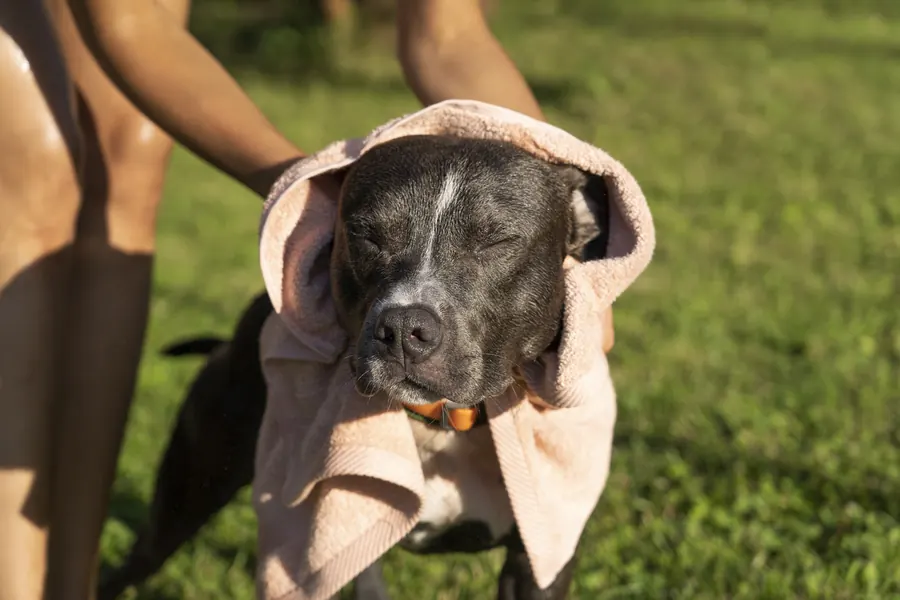
- Wash off mud from your dog's legs, paws and belly after muddy walks. This has not been shown to prevent the disease, but it helps you notice any new sores.
- Check your dog's skin regularly, especially the legs and paws, during the winter and spring.
- Know your vet's out-of-hours arrangements, so you can get help quickly if needed.
There is no reason to stop walking your dog in the countryside. Exercise is far more important for your dog's health than the very small risk of this disease.
Another autumn illness: seasonal canine illness
A separate condition, sometimes confused with Alabama rot, is seasonal canine illness. Dogs become suddenly unwell, usually within three days of a walk in woodland, typically between August and November. Signs include vomiting, diarrhoea, lethargy and sometimes a high temperature or trembling. The cause is not known. Some researchers have suggested a link with harvest mites, tiny orange mites that are common in late summer and autumn, but this has not been proven.
Most dogs with seasonal canine illness recover with prompt treatment, particularly fluids to prevent dehydration. If your dog becomes ill after an autumn walk, contact your vet and mention where you walked.
Frequently asked questions
Is Alabama rot contagious?
There is no evidence that dogs catch Alabama rot from each other, and it is not known to affect people. Other dogs in the same household are not thought to be at higher risk because one dog has been affected.
Should I stop walking in the woods?
No. The risk is very low, and regular walks matter for your dog's health. Wash off mud, check for sores and see a vet if you notice something you cannot explain.
Can cats get Alabama rot?
Alabama rot has been described in dogs. Cats are not known to be affected by the same disease.
How quickly do I need to act?
If your dog has an unexplained skin sore, book a vet visit promptly. If your dog has a sore and is also vomiting, off food or lethargic, treat it as an emergency.
Is there a vaccine?
No. Because the cause is unknown, there is no vaccine or preventive medicine.
Sources
- Alabama rot in dogs, PDSA, accessed 2026-11-18.
- Alabama rot, The Royal Kennel Club, accessed 2026-11-18.
- Anderson Moores Veterinary Specialists, accessed 2026-11-18.
- Harvest mites in dogs, PDSA, accessed 2026-11-18.
 Pet servicesBoarding kennels, catteries and pet sitters in the UK: licences and what to checkWho needs a council licence to board dogs and cats in the UK, what the star ratings mean, vaccinations kennels ask for and how to choose a kennel, cattery or pet sitter.
 Seasonal careWinter and Christmas dangers for dogs and cats in the UKAntifreeze, grit, frozen ponds, chocolate, mince pies, lilies and tinsel: the winter and Christmas hazards for UK dogs and cats, and what to do if your pet eats something.
 Law and rulesFireworks and pets in the UK: the rules, the season and how to keep your pet calmUK firework rules and curfews, when fireworks season happens, how to prepare dogs, cats and small pets, building a den and when to ask your vet for help.