
Veterinary care in the UK · End of life
Saying goodbye: making the euthanasia decision for your pet and what to expect
Deciding to put a pet to sleep is one of the hardest choices an owner ever faces. It is also, as the PDSA puts it, sometimes the only way to ease a much-loved companion's pain and suffering, and letting them slip away quietly and peacefully can be an act of kindness. Knowing what to expect can make a painful time a little easier and help you focus on your pet in their final moments. This guide explains how to think about quality of life, how the decision is made with your vet, what happens at the appointment, the options for aftercare and where to find support afterwards.
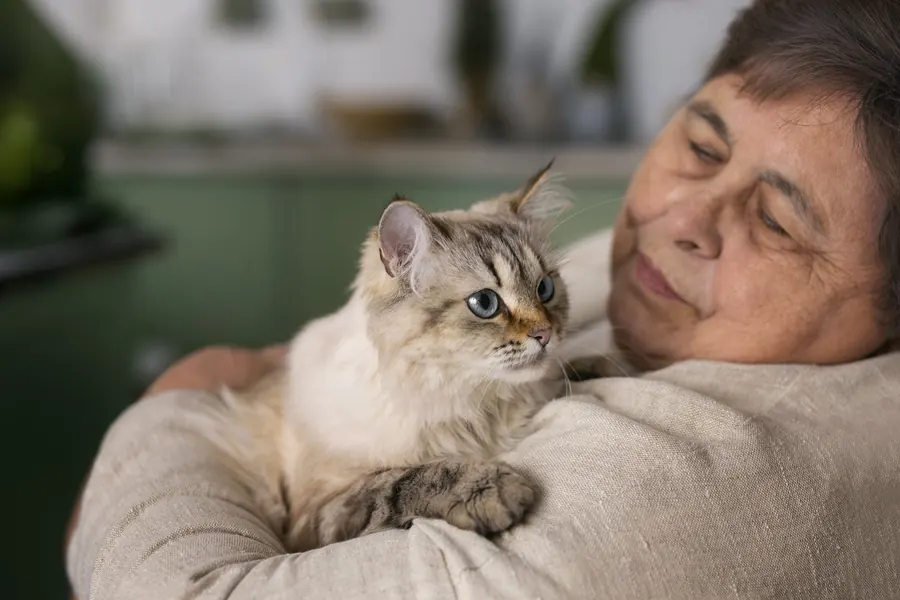
Your vet will help you think through your pet's quality of life.
How do you know when it is time?
There is rarely a single moment when the answer becomes obvious. Your vet will provide support and guidance and help you make the decision, and you should not be afraid to ask questions. Vets want owners to be sure they are making the right choice for their pet and are happy to talk through any concerns.
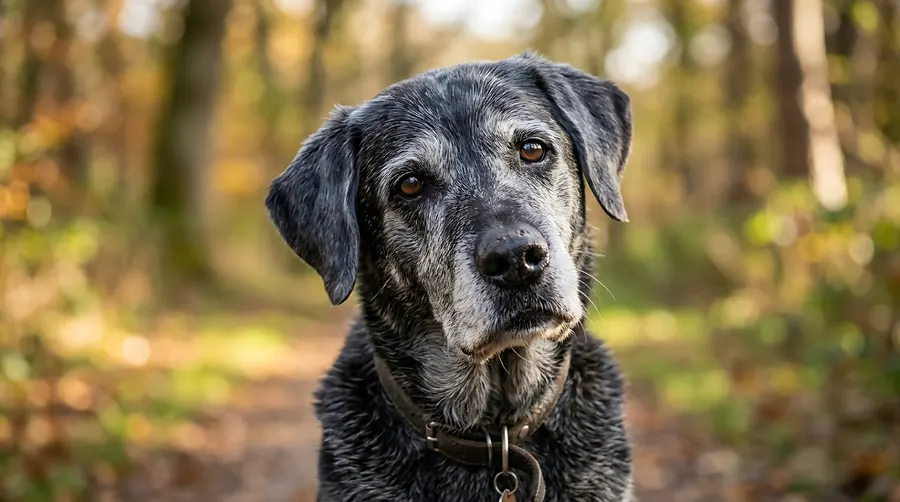
It helps to think about your pet's quality of life rather than only their diagnosis. Questions that many owners and vets consider include:
- Is my pet in pain that cannot be controlled with medication?
- Can they still eat and drink enough, and keep food down?
- Can they move around, get comfortable, go to the toilet and keep themselves clean?
- Do they still enjoy the things that make them who they are: greeting you, a favourite walk, a sunny windowsill, a toy?
- Are there more bad days than good days?
- Is treatment itself causing distress, for example frequent hospital visits for a pet that finds them frightening?
Some owners find it helpful to keep a simple diary, marking each day as good or bad, or to write down three things their pet loves and notice when they can no longer do them. Talk to family and friends too: someone who sees your pet less often may notice changes that are hard to see day to day.
When the decision has to be quick
Sometimes there is no time to plan. After an accident or a sudden severe illness, the vet may advise that euthanasia needs to happen straight away to prevent suffering. Even then, the PDSA says, you will be able to have a few quiet moments alone with your pet.
Planning the appointment
If you have time to plan, think about:
- Where: at the practice or at home. Some private vets can offer home visits for euthanasia, which some owners and pets find less stressful. Ask your practice whether this is possible and what it costs.
- When: a quieter time of day at the practice can mean less waiting. Some practices have a separate room or entrance for these appointments.
- Who: you can bring a trusted family member or friend for support.
- Aftercare and payment: a member of the practice team may talk to you beforehand about cremation and payment. Most people prefer to have these discussions in advance so they can focus on saying goodbye.
You can also think about whether you would like to keep your pet's collar, a lock of fur or a paw print. Many practices can help with this.
What happens during euthanasia
Your vet or vet nurse will explain the process before they start. The PDSA stresses that, although reading about it can be upsetting, the procedure itself is peaceful and pain-free for your pet.
In general:
- You will be asked to sign a consent form.
- Many vets give a sedative first, so that your pet is calm and relaxed.
- The vet usually places a small catheter or needle in a vein, often in a front leg. A small patch of fur may be clipped.
- The vet gives an injection of a drug that is, in effect, an overdose of an anaesthetic. Your pet loses consciousness within seconds and then their heart stops.
- The vet listens to the heart to confirm that your pet has died.
Afterwards, your pet's eyes may stay open, and there may be some muscle twitching or a final breath-like movement. These are reflexes after death, not signs of pain or awareness, but it helps to know they can happen.
Should I stay?
This is a personal choice, and there is no wrong answer. Many owners feel it comforts their pet to have a familiar voice and touch. Others find it too hard and prefer to say goodbye beforehand. If your pet is already in hospital, you can usually visit beforehand or be with them at the end.
Children and other pets
Whether to involve children depends on their age and wishes. Be honest and use clear words such as "died" rather than "went to sleep", which can confuse young children. Some families find it helpful to let other pets see or smell the body afterwards, although there is no firm evidence either way.
Aftercare: cremation or burial
You can choose:
- Communal cremation, where pets are cremated together and ashes are not returned.
- Individual cremation, where your pet is cremated alone and the ashes are returned to you, often in a casket or scatter tube.
- Home burial, which is allowed for small pets such as cats and dogs on your own land in England.
- A pet cemetery.
See our guide to pet cremation and burial in the UK for details of the options and rules.
Coping with grief
The loss of a pet can be as painful as any other bereavement. The PDSA notes that grief can bring many difficult and confusing emotions, from shock and disbelief to guilt and even anger, that there is no right or wrong way to grieve and no fixed timeline, and that it gradually gets easier, even if it feels as though it takes a long time.
Some people feel anticipatory grief before their pet dies, while caring for an elderly or terminally ill animal. Others feel guilty about the decision. It may help to remember that choosing a peaceful end for a suffering pet is a responsible and loving act.
Ways to cope include:
- talking about your pet with people who understand;
- creating a memory: a photo book, a planted tree or a donation to an animal charity;
- keeping some routines, especially if you have other pets who may also seem unsettled;
- using a pet bereavement support service. Blue Cross runs a free Pet Bereavement Support Service, and many vet practices can suggest local support.
If grief is affecting your sleep, work or health for a long time, talk to your GP.
The cost
Prices vary between practices and depend on the size of your pet, whether the appointment is at home or at the practice, and the aftercare you choose. Ask your practice for an estimate. If cost is a concern, tell the practice early; charities such as the PDSA may be able to help eligible owners registered with them.
Frequently asked questions
Is euthanasia painful for my pet?
The PDSA describes the procedure as peaceful and pain-free. The main discomfort is usually the small needle, and many vets give a sedative first.
Can my vet come to my home?
Some private practices offer home visits for euthanasia. Ask your practice in advance, as availability varies.
Can I have my pet's ashes back?
Yes, if you choose individual cremation. With communal cremation, ashes are not returned.
What if I am not sure it is the right time?
Talk to your vet about your pet's quality of life. Your vet will help you think it through and will not rush you unless your pet is suffering.
Is it normal to feel guilty?
Yes. Many owners feel guilt, even when the decision was clearly right. It often eases with time and support.
Sources
- When it's time to say goodbye, PDSA, accessed 2026-11-15.
- Euthanasia/putting your pet to sleep – advice video, PDSA, accessed 2026-11-15.
- Coping with the grief and loss of a pet, PDSA, accessed 2026-11-15.
- How can I tell if my pet still has a good quality of life?, PDSA, accessed 2026-11-15.
- Animal burials: prevent groundwater pollution, Environment Agency, accessed 2026-11-15.
 Seasonal careWinter and Christmas dangers for dogs and cats in the UKAntifreeze, grit, frozen ponds, chocolate, mince pies, lilies and tinsel: the winter and Christmas hazards for UK dogs and cats, and what to do if your pet eats something.
 Law and rulesFireworks and pets in the UK: the rules, the season and how to keep your pet calmUK firework rules and curfews, when fireworks season happens, how to prepare dogs, cats and small pets, building a den and when to ask your vet for help.
 Law and rulesPet theft in the UK: how to protect your pet and what to do if it is stolenHow to protect your dog or cat from theft, what the Pet Abduction Act 2024 changed, why microchips and ID tags matter and what to do if your pet is stolen.