
Veterinary care in the UK · End of life
Pet cremation and burial in the UK: the options, the rules and how to choose
When a pet dies, owners often have to make decisions about aftercare at a time when they least feel like it. Knowing the options in advance makes this easier and helps you choose what feels right for you and your family. In the UK, the main choices are cremation, communal or individual, burial at home and burial in a pet cemetery. This guide explains each option, the rules that apply in England and the questions worth asking before you choose a provider.

Choosing aftercare in advance lets you focus on saying goodbye.
Arranging aftercare through your vet
If your pet dies or is put to sleep at the practice, the practice will usually arrange aftercare for you through a pet crematorium it works with. Practice staff often discuss the options before a planned euthanasia appointment, so that you can focus on saying goodbye on the day.
You do not have to use the practice's provider. You can contact a pet crematorium or cemetery yourself, and some will collect your pet from the practice or your home. If your pet dies at home, contact your vet: they can advise on what to do next and keep your pet until aftercare is arranged.
Communal cremation
In a communal cremation, several pets are cremated together. The ashes are not returned to owners; crematoria usually scatter them in a garden of remembrance or dispose of them respectfully.
Communal cremation is usually the least expensive option. It suits owners who do not wish to keep ashes, or who prefer to remember their pet in other ways.
Individual cremation
In an individual cremation, your pet is cremated on their own and the ashes are returned to you. Providers usually offer a choice of containers, such as a wooden casket, an urn or a scatter tube, and some offer keepsakes such as paw prints or memorial jewellery.
Some crematoria allow owners to attend or to be present at the start of the cremation. If this matters to you, ask in advance.
What can I do with the ashes?
You can keep them at home, bury them in your garden or scatter them somewhere meaningful to you and your pet. If you wish to scatter ashes on land you do not own, ask the landowner's permission first.
Burying your pet at home
Many owners prefer to bury a pet in the garden. In England, government guidance says you do not need permission to bury small domestic pet animals, such as a dog or a cat, on your own land, for example in your back garden.
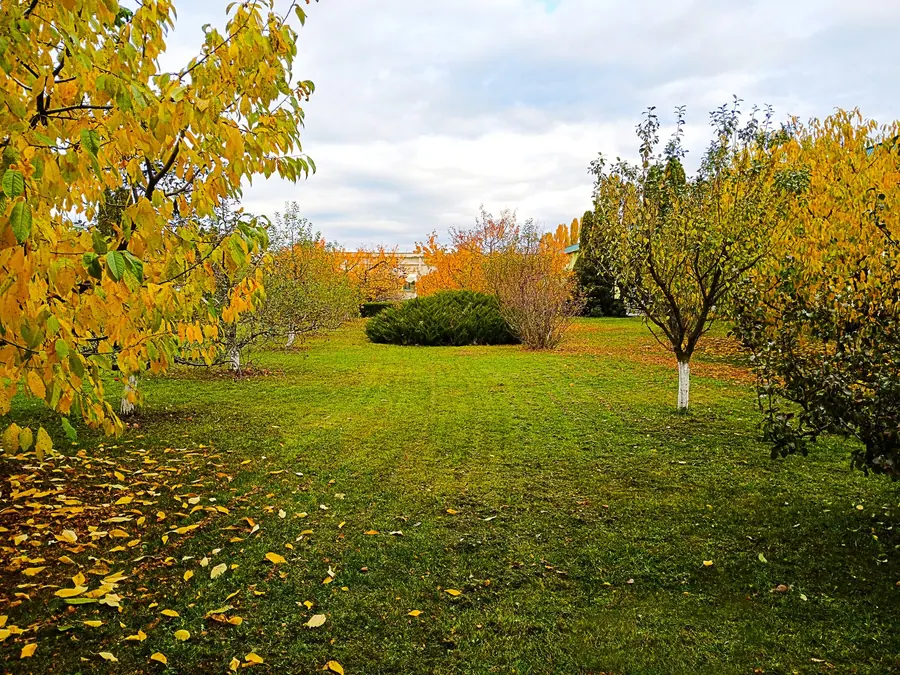
Practical points:
- It must be your own land. If you rent, ask your landlord first. Think about whether you may move house in the future.
- Dig deep enough that other animals cannot disturb the grave. Wrapping your pet in a biodegradable material, such as a cotton sheet or a cardboard pet coffin, is a common choice.
- Keep away from water. Avoid burying near wells, springs or watercourses.
- Mark the place, for example with a plant, a stone or a small memorial.
- Consider medicines. If your pet was put to sleep, the drugs used remain in the body. Bury deep enough that wildlife and other pets cannot reach the body.
Larger pets
The guidance is different for larger animals. If you want to bury a larger pet animal, such as a pet horse, you must follow the minimum good practice groundwater protection requirements, and you should contact your local council's animal health office. The council may ask for a map marking the burial place or have other requirements.
Pet cemeteries
A pet cemetery offers a dedicated, permanent resting place and may allow headstones or memorial plaques. In England, government guidance says owners and managers of pet cemeteries should comply with minimum good practice groundwater protection requirements, the Animal By-products (Enforcement) (England) Regulations 2013 and the voluntary code of practice of the Association of Private Pet Cemeteries and Crematoria (APPCC). Pet cemeteries must also be registered with the Animal and Plant Health Agency.
Ask how long the plot is guaranteed for, what maintenance is included and whether you can visit at any time.
Choosing a provider
The APPCC was founded in April 1993 to promote companion animal facilities, set and maintain a code of conduct for quality of service and represent the sector on legislation. Choosing a provider that belongs to a trade association with a code of conduct gives you some reassurance about standards.
Questions to ask:
- Is the cremation communal or individual, and how do you make sure I receive only my pet's ashes?
- Can I visit the crematorium, attend or see the facilities?
- How long will it take before the ashes are returned, and how will they be returned?
- What containers and memorial options are available, and what do they cost?
- Do you collect from the practice or my home, and is there a charge?
- Are you a member of a trade association, and do you follow a code of practice?
A good provider will answer openly and will not pressure you into extras.
Costs
Prices vary widely depending on the size of your pet, the type of cremation, collection and the container or memorial chosen. Communal cremation usually costs least; individual cremation with return of ashes costs more. Ask for a clear price list before you decide, and check whether your pet insurance includes a contribution towards cremation or burial costs, as some policies do.
Supporting your family
Aftercare can be part of saying goodbye. Some families hold a small ceremony when burying a pet or scattering ashes, which can help children understand what has happened. Talking openly, using clear words such as "died", and sharing memories helps everyone grieve. See our guide to pet euthanasia for more on coping with loss.
Scotland, Wales and Northern Ireland
The guidance described above applies in England. Rules on animal by-products and burial are similar across the UK, but if you live in Scotland, Wales or Northern Ireland, check with your local council or your vet if you are unsure. In the Republic of Ireland, ask your vet or local authority about the rules where you live.
Frequently asked questions
Can I bury my dog or cat in my garden?
In England, you do not need permission to bury a small domestic pet such as a dog or cat on your own land. If you rent, ask your landlord first.
What is the difference between communal and individual cremation?
In a communal cremation, several pets are cremated together and ashes are not returned. In an individual cremation, your pet is cremated alone and the ashes are returned to you.
Can I arrange a cremation myself?
Yes. You can contact a pet crematorium directly. Your vet can keep your pet until it is collected.
How do I know I will get my own pet's ashes?
Ask the provider to explain how pets are identified and tracked through the process, and choose a provider that follows a code of practice.
Can I bury a horse at home?
Larger pets such as horses are subject to groundwater protection requirements. Contact your local council's animal health office before burial.
Sources
- Animal burials: prevent groundwater pollution, Environment Agency, accessed 2026-11-15.
- Association of Private Pet Cemeteries and Crematoria, APPCC, accessed 2026-11-15.
- When it's time to say goodbye, PDSA, accessed 2026-11-15.
- Coping with the grief and loss of a pet, PDSA, accessed 2026-11-15.
 Seasonal careWinter and Christmas dangers for dogs and cats in the UKAntifreeze, grit, frozen ponds, chocolate, mince pies, lilies and tinsel: the winter and Christmas hazards for UK dogs and cats, and what to do if your pet eats something.
 Law and rulesFireworks and pets in the UK: the rules, the season and how to keep your pet calmUK firework rules and curfews, when fireworks season happens, how to prepare dogs, cats and small pets, building a den and when to ask your vet for help.
 Law and rulesPet theft in the UK: how to protect your pet and what to do if it is stolenHow to protect your dog or cat from theft, what the Pet Abduction Act 2024 changed, why microchips and ID tags matter and what to do if your pet is stolen.