
Veterinary care in the UK · Buying a pet
Adopting a rescue dog or cat in the UK: choosing a centre, the process and the first weeks
Every year, UK rescue and rehoming centres look for homes for dogs and cats of every age, size and personality. Adopting can be a wonderful way to give an animal a second chance, and the government itself encourages people looking for a pet to consider a rescue animal from a reputable UK rehoming organisation. This guide explains how to find a reputable centre, what the adoption process usually involves, what it costs and how to help a rescue pet settle into your home.
Reviewed by: William Taylor, Veterinary Surgeon (Internal Medicine)
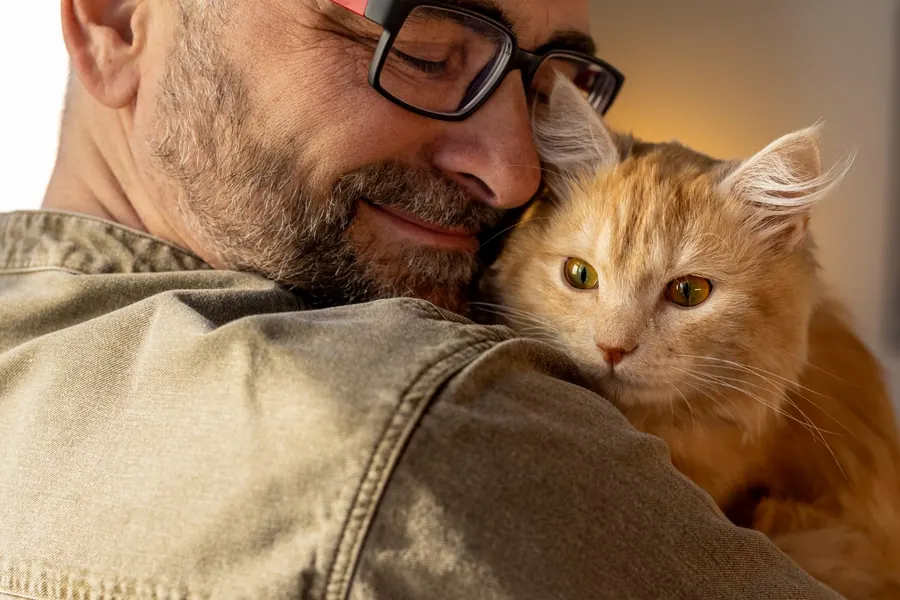
Many rescue animals are already neutered, vaccinated and microchipped.
Why adopt?
People adopt for many reasons. Rescue centres have adult animals whose personality is already known, which can make it easier to find a good match than with a puppy or kitten. Many animals are already neutered, vaccinated and microchipped, and good centres offer advice and support after adoption. Adopting also frees a space for the next animal in need.
Adopting is not always the easiest route, though. Some rescue animals have had difficult experiences and need patience and time. A good centre will be honest about an animal's needs and help you decide whether you can meet them.
Choosing a reputable rehoming organisation
Government guidance advises choosing a reputable rescue organisation, such as one that is a member of the Association of Dogs and Cats Homes (ADCH), and considering a UK-based rehoming organisation, because bringing an animal from overseas carries increased animal health and welfare risks.
The ADCH is a voluntary membership organisation for dog and cat rescue and rehoming charities. Its website has a "Find a rescue" tool to search for member organisations near you.
According to government guidance, a good rescue and rehoming organisation will:
- check your suitability first;
- usually use an adoption contract;
- help you choose the right cat or dog for you;
- give you advice on caring for your new pet and offer ongoing support.
Be cautious about "rescues" that do not ask questions about your home and lifestyle, ask for payment before you have met the animal, or offer to deliver an animal to you or meet you somewhere other than their premises.
The adoption process
Every organisation has its own process, but most follow similar steps.
1. Browsing and applying
Most rehoming centres list animals on their websites, with information about their character, needs and the type of home they need, such as no young children, no cats or an experienced owner. You usually complete an application form describing your home, household, working hours, other pets and experience.
2. Meeting the animal
If your application looks like a good match, you will be invited to meet the animal, often more than once. Bring everyone who will live with the pet. For dogs, centres may ask to introduce your existing dog on neutral ground.
3. Home check
Many centres carry out a home check, in person or by video, to make sure your home and garden are safe and suitable. They may check fences and gates, for example, and talk about where the pet will sleep and how it will be left alone.
4. Adoption contract and fee
You will usually sign an adoption contract. This may include agreeing to keep the animal as a pet, provide veterinary care, and return the animal to the centre rather than rehoming it yourself if things do not work out.
Centres charge an adoption fee. It does not cover the full cost of caring for the animal but contributes to it. The fee and what it includes vary, so ask what has already been done, such as neutering, vaccinations, microchipping and parasite treatment.
5. Taking your pet home
The centre will give you information about your pet's health, diet and routine. Make sure the microchip is updated to your name and contact details; keepers in England must keep these details up to date on a microchip database.
Settling a rescue pet in
The first weeks can be unsettling for a rescue animal. To help:
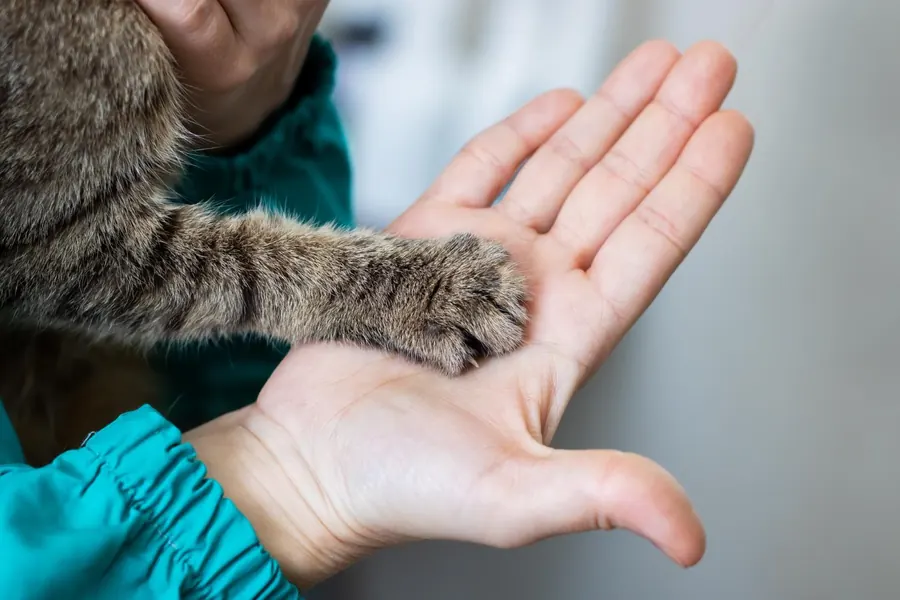
- Prepare in advance: a quiet bed or hiding place, food and water bowls, toys and, for cats, a litter tray. For dogs, check that the garden is secure.
- Keep things calm: limit visitors at first and keep to a regular routine.
- Give space: let your pet come to you rather than forcing contact. Many cats hide for days.
- Keep cats indoors for at least two to three weeks, or as advised by the centre, so they get used to their new home before going outside.
- Use reward-based training to build trust and teach house rules.
- Register with a vet and book a health check, bringing the records provided by the centre.
Many behaviour problems improve as an animal settles. If problems persist, contact the rehoming centre, which can often give advice, or ask your vet to refer you to a qualified animal behaviourist.
Choosing the right animal
It is easy to fall for a photo, but the best adoptions start with an honest look at your own life. Think about how many hours your pet would be alone, how much exercise you can give a dog every day, whether anyone in the household has allergies and whether you have children or other pets. Older dogs and cats are often calmer and their character is already settled, which can make them an excellent choice for first-time owners or busy households. Rehoming centre staff know their animals well: tell them about your lifestyle and listen to their suggestions, even if they point you towards an animal you had not considered.
Insurance and costs
Budget for the ongoing costs of food, vaccinations, parasite treatment, insurance and veterinary care. Some rescue centres provide a few weeks of free insurance. Insure your pet before this ends: conditions that appear later may be excluded as pre-existing. See our guide to pet insurance in the UK.
Adopting from abroad
Many dogs are advertised for adoption from overseas. The government advises considering a UK-based rehoming organisation, because animals from abroad carry increased health and welfare risks. If you are thinking of adopting from abroad, read our guide to adopting a dog from abroad first.
Ireland
In the Republic of Ireland, local authority dog pounds and rescue charities rehome dogs and cats. The same principles apply: choose a reputable organisation, ask about the animal's history and health, and make sure the microchip is registered in your name.
Frequently asked questions
Why do rescue centres do home checks?
To make sure the animal will be safe and that its needs can be met in your home. A good centre wants the adoption to last.
Can I adopt if I rent?
Many centres will ask for confirmation that your landlord allows pets. In England, tenants can now ask to keep a pet, and landlords must consider the request. See our guide to renting with pets.
Are rescue animals already neutered?
Many are, but not all. Ask the centre what has been done and whether any treatment is planned.
What if the adoption does not work out?
Contact the centre. Most adoption contracts ask you to return the animal to them rather than rehome it yourself.
How do I check a rescue is genuine?
Check whether it is a member of the ADCH, visit its premises, and be wary of requests for payment before you have met the animal.
Sources
- Buying a cat or dog, Department for Environment, Food & Rural Affairs, accessed 2026-11-15.
- Association of Dogs and Cats Homes, ADCH, accessed 2026-11-15.
- Get your dog or cat microchipped, GOV.UK, accessed 2026-11-15.
- Helping a new pet adapt, PDSA, accessed 2026-11-15.
 End of lifeCoping with the loss of a pet: grief and bereavement support in the UKGrief after losing a dog or cat is real and can be intense. How grief affects adults, children and other pets, ways to remember, and free UK pet bereavement services.
 Law and rulesRoad accidents involving dogs and cats in the UK: the law and what to doWhat UK law says if you hit a dog or a cat with your car, how to help an injured animal safely, who to call, and what to do if your own pet is hurt or missing.
 Parasites and diseasesLungworm in dogs in the UK: how dogs catch it and how to protect themLungworm (Angiostrongylus vasorum) is spread by slugs and snails across the UK. Learn the signs, how vets diagnose and treat it, and which wormers protect your dog.