
Veterinary care in the UK · Buying a pet
Adopting a dog from abroad: UK import rules, disease risks and how to do it responsibly
Rescue dogs from abroad are widely advertised online, often with moving stories and photos. Many people adopt them with the best intentions. But bringing a dog into Great Britain from overseas involves strict health rules, and the government warns that animals from abroad carry increased health and welfare risks, both for the animal and for other pets and people in the UK. This guide explains the rules, the main disease risks and the questions to ask before you adopt a dog from overseas.
Reviewed by: William Taylor, Veterinary Surgeon (Internal Medicine)
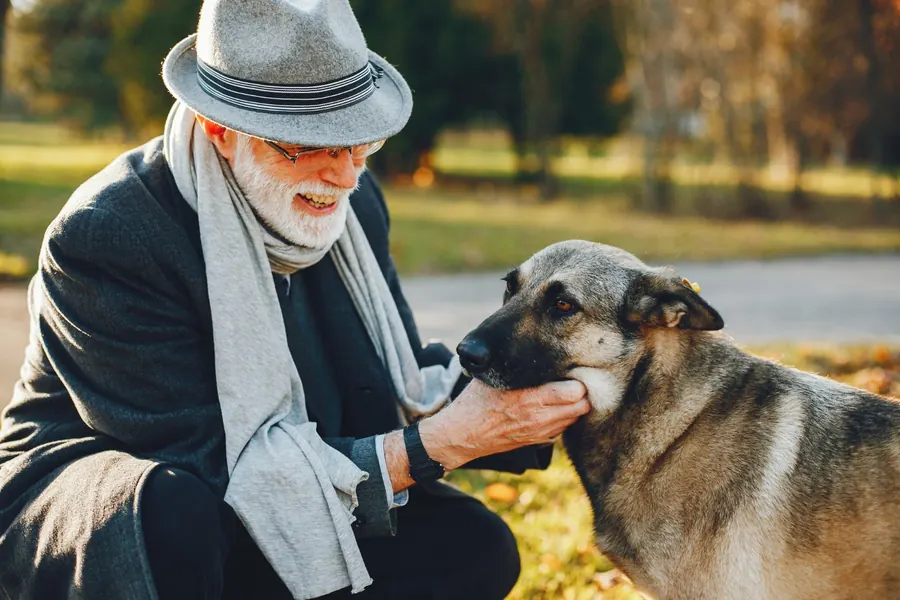
Many dogs rescued abroad have never lived in a house before.
What the government advises
Government guidance on buying and adopting pets advises considering a UK-based rehoming organisation, because bringing an animal from overseas carries increased animal health and welfare risks. If you decide to adopt from abroad, it says you must follow the health rules for bringing a pet to Great Britain and, because adoption counts as a transfer of ownership, extra rules known as Balai rules.
The basic health rules
Cats and dogs from overseas must be microchipped and vaccinated against rabies before they can travel. Dogs must also be treated for tapeworm by a vet before arriving in Great Britain.

The tapeworm treatment must:
- be given no less than 24 hours and no more than 5 days (120 hours) before the dog enters Great Britain;
- contain praziquantel or an equivalent proven to be effective against the Echinococcus multilocularis tapeworm;
- be recorded by the vet in the dog's pet passport or health certificate.
Dogs coming directly from Finland, Ireland, Northern Ireland, Malta or Norway do not need this treatment. A dog that does not meet the rules can be refused entry or put into quarantine.
Balai rules for rescue dogs
When a dog is moved to be rehomed rather than travelling with its owner, the movement is treated as commercial. These Balai rules involve additional requirements, including health certification and arrival through approved routes. Check the current rules on GOV.UK and with the rescue organisation before agreeing to adopt, and make sure the organisation can show you how it complies.
Minimum ages
Government guidance warns buyers to take care if an animal is advertised as having a pet passport, because it may have been imported. Imported animals must be at least:
- 15 weeks old if they come from the EU and certain other "listed" countries;
- 7 months old if they come from other, "not listed" countries.
A very young puppy with a foreign passport is a warning sign of illegal import. The government has also supported new legislation, the Animal Welfare (Import of Dogs, Cats and Ferrets) Act 2025, aimed at ending puppy smuggling.
Disease risks: Brucella canis
One of the most important risks is Brucella canis, a bacterial infection of dogs that can also infect people. The UK Health Security Agency (UKHSA) says that in the UK it is mainly found in dogs imported from Eastern Europe, and that diagnoses rose from 3 before 2020 to 97 in the first half of 2023. Most cases have been in dogs imported from Eastern Europe or linked to imported dogs.
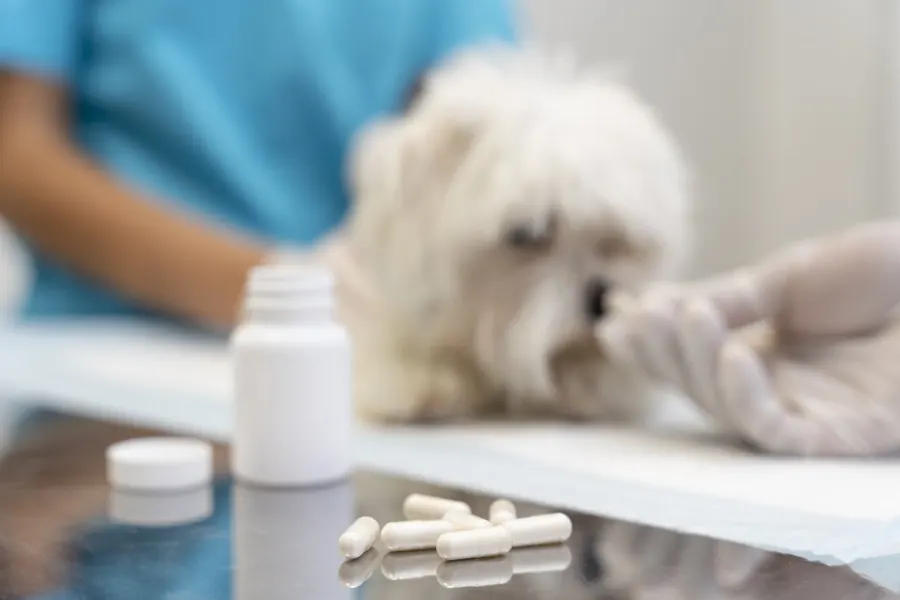
Infected dogs may show few or no signs, but the infection can cause infertility, miscarriage, back pain and lameness. It is difficult to treat and infection may be lifelong. Government guidance advises that all imported dogs are tested for Brucella canis, and testing is now a requirement for dogs commercially imported from Romania.
Ask the rescue organisation for evidence of a negative test before the dog travels. If you already have a dog from abroad and are concerned, talk to your vet.
Other diseases
Dogs from southern and eastern Europe and further afield may carry infections that are rare or absent in the UK, such as leishmaniosis, babesiosis, ehrlichiosis and heartworm. The Animal and Plant Health Agency publishes summaries of imported diseases for dogs and cats. Some infections can take months or years to show signs.
Tell your vet that your dog has been imported and which country it came from, even if it seems healthy. Your vet may recommend screening tests.
Behaviour and welfare
Many dogs rescued from abroad have lived on the streets or in shelters and may never have lived in a house. Some adapt quickly; others find traffic, household noises, stairs, being left alone or meeting strangers very stressful. Long journeys can add to the stress.
Before adopting, ask:
- How long has the dog been in the shelter or foster home, and what is its known history?
- Has it lived in a house, with children or with other animals?
- Has its behaviour been assessed, and by whom?
- What support will the organisation give if problems arise, and will it take the dog back?
Be prepared for a long settling-in period, and budget for a vet check, possible tests and help from a qualified behaviourist if needed.
Spotting a responsible organisation
A responsible organisation will:
- tell you honestly about the dog's health, history and behaviour;
- provide documents showing microchipping, rabies vaccination, tapeworm treatment and, ideally, a negative Brucella canis test;
- explain how it complies with the import rules;
- check your suitability and offer support after adoption;
- have a plan if the adoption does not work out.
Be wary of organisations that ask for full payment up front without information, cannot provide documents, or deliver dogs to car parks or service stations.
Adopting in the UK instead
UK rescue centres have many dogs of all types looking for homes. Government guidance recommends checking whether a rescue is a member of the Association of Dogs and Cats Homes (ADCH). See our guide to adopting a rescue dog or cat in the UK.
Ireland
Ireland has its own rules for bringing pets into the country. If you live in the Republic of Ireland, check the requirements with the Department of Agriculture, Food and the Marine before adopting a dog from abroad.
Frequently asked questions
Can I adopt a street dog from my holiday destination?
It is possible, but you must follow the import rules, including microchipping, rabies vaccination, the required waiting periods and tapeworm treatment, and the extra rules for rehoming. Talk to your vet before you commit.
Should my imported dog be tested for Brucella canis?
Government guidance advises that all imported dogs are tested. Talk to your vet.
Why are puppies from abroad a warning sign?
Imported animals must be at least 15 weeks old from the EU and listed countries, or 7 months from others. A very young puppy with a foreign passport may have been imported illegally.
Does a pet passport mean the dog is healthy?
No. A passport records certain vaccinations and treatments; it does not guarantee the dog is free from disease.
What should I tell my vet?
That your dog was imported, the country it came from and any tests or treatments it has had.
Sources
- Buying a cat or dog, Department for Environment, Food & Rural Affairs, accessed 2026-11-15.
- Bringing your pet dog, cat or ferret to Great Britain, GOV.UK, accessed 2026-11-15.
- Tapeworm treatment for dogs, GOV.UK, accessed 2026-11-15.
- Brucella canis: information for the public and dog owners, UK Health Security Agency, accessed 2026-11-15.
- Imported disease summaries for dogs and cats, Animal and Plant Health Agency, accessed 2026-11-15.
- Defra announces biggest animal welfare reforms in a generation, Department for Environment, Food & Rural Affairs, accessed 2026-11-15.
 End of lifeCoping with the loss of a pet: grief and bereavement support in the UKGrief after losing a dog or cat is real and can be intense. How grief affects adults, children and other pets, ways to remember, and free UK pet bereavement services.
 Law and rulesRoad accidents involving dogs and cats in the UK: the law and what to doWhat UK law says if you hit a dog or a cat with your car, how to help an injured animal safely, who to call, and what to do if your own pet is hurt or missing.
 Parasites and diseasesLungworm in dogs in the UK: how dogs catch it and how to protect themLungworm (Angiostrongylus vasorum) is spread by slugs and snails across the UK. Learn the signs, how vets diagnose and treat it, and which wormers protect your dog.