Contents
- What happened
- 70,000 ducks in Hierden
- A transport ban
- Birds kept indoors
- Vaccinating laying hens
- All of Scotland a prevention zone
- What has been found in Britain
- A new outbreak in Norfolk
- Brandenburg: first outbreak of the autumn
- Measures in Havelland
- A virus settled on Svalbard
- From gull to polar bear
- Antibodies in many animals
- Why it matters
- Risk to people
- Why outbreaks are increasing
- What backyard keepers should do
- Signs of disease in birds
- The danger for cats
- Dogs and walks
- If you find a dead bird
- Who is responsible for what
- The cost of an outbreak
- What this means for Europe
- When to see a vet
What happened
Between 9 and 10 November 2026, H5N1 bird flu was confirmed in several European countries at once. In the Netherlands the virus was found at a large duck farm, in England at a commercial poultry farm in Norfolk, and in Germany at a small holding in Brandenburg. Scotland introduced compulsory bird protection measures across the whole country. At the same time, Norwegian scientists reported that the virus has settled on Svalbard for the long term.
70,000 ducks in Hierden
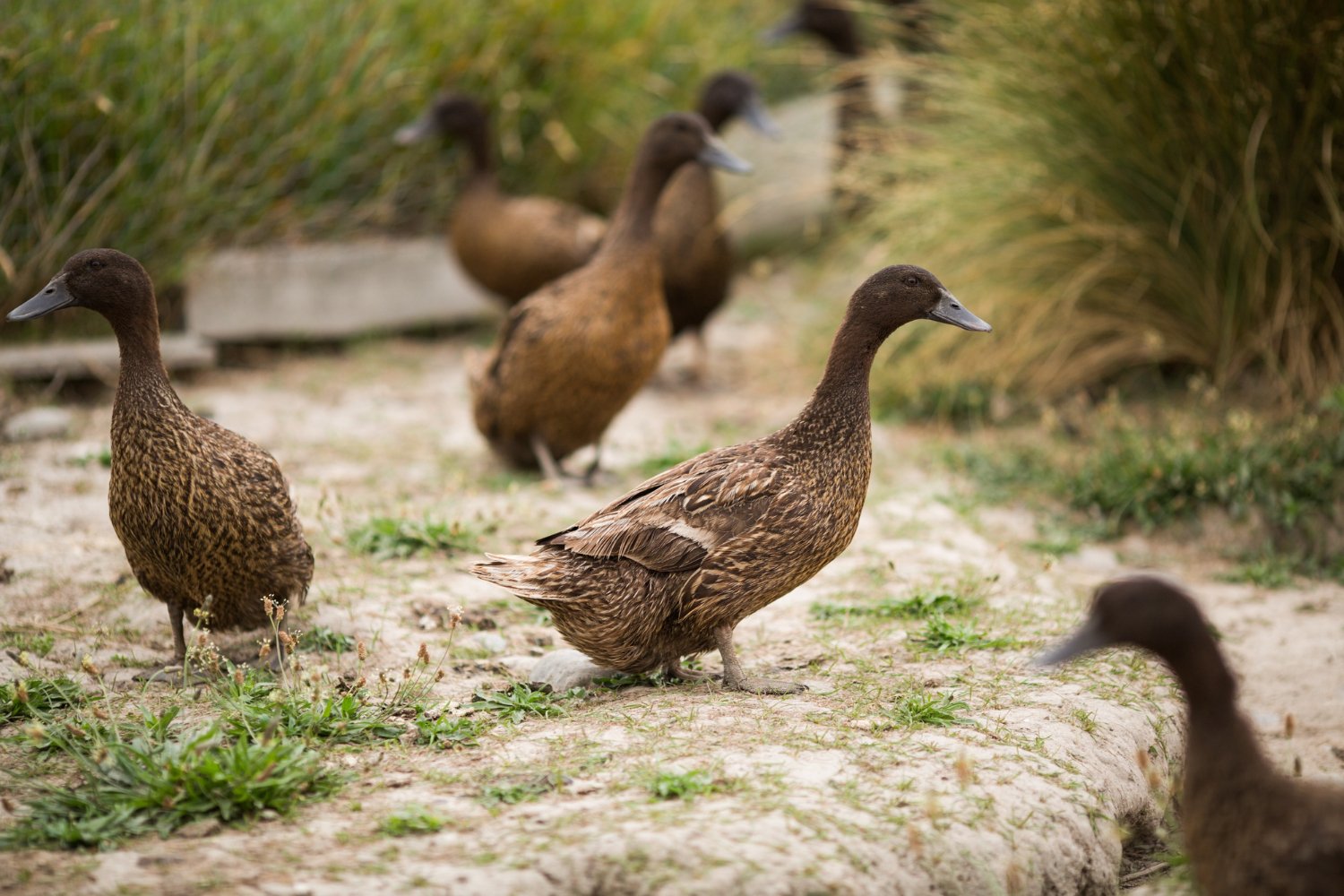
The biggest outbreak of these days was in the village of Hierden in the Dutch province of Gelderland. Highly pathogenic bird flu was confirmed on a farm raising ducks for meat. Around 70,000 birds are being culled under the supervision of the Netherlands Food and Consumer Product Safety Authority, NVWA. According to the authority, the same farm was hit by bird flu twice in 2022.
A transport ban
A 10-kilometre transport ban has been imposed around the Hierden farm. Within the zone, birds, eggs, manure and used litter may not be moved. Thirteen other poultry farms lie inside it. NVWA is checking whether any animals or products left or arrived at the farm shortly before the infection was found. If so, further measures will follow.
Birds kept indoors
Since 28 October, a nationwide housing order has applied to commercial poultry in the Netherlands. It was introduced after three outbreaks in quick succession. Hobby keepers with a few hens must also shield their birds from contact with wild birds. Visits to commercial poultry houses are allowed only when necessary for the health or welfare of people or animals.
Vaccinating laying hens
The previous nationwide housing order in the Netherlands was lifted only in June 2026, when infections had dropped sharply. Even then the ministry called the virus unpredictable. The government is now working on a plan to make vaccination of laying hens compulsory. The Netherlands is one of the EU countries seriously considering vaccination as a long-term defence against bird flu.
NOS, Scottish Government, dpa; 9–10 November 2026
All of Scotland a prevention zone
From noon on 10 November, Scotland's Chief Veterinary Officer declared an Avian Influenza Prevention Zone covering the whole country. All bird keepers are now legally required to follow strict biosecurity measures. The trigger was a rise in detections in wild and captive birds. The risk to poultry in Scotland is assessed as very high.
What has been found in Britain
Scotland's first outbreak this winter was confirmed in the Western Isles about six weeks ago. When the zone was declared, Great Britain had recorded six cases in kept birds this season: two in Scotland — a backyard flock on Lewis and an egg producer in the Scottish Borders — and four in England. Since 21 October, the virus has been found in 9 of 65 dead wild birds tested.
A new outbreak in Norfolk
On 9 November, highly pathogenic H5N1 bird flu was confirmed in commercial poultry near Dersingham in King's Lynn and West Norfolk. A protection zone and a surveillance zone were set up around the site. Keepers inside them face movement restrictions: poultry, eggs, by-products and even other animals can only be moved under licence.
Brandenburg: first outbreak of the autumn
In Germany, the virus was found at a small holding in the municipality of Milower Land in Havelland district. It kept around 50 chickens, 80 ducks and 35 geese. This is Brandenburg's first bird flu case in a kept flock this autumn, the state agriculture ministry said. The H5N1 virus was detected by the Berlin-Brandenburg state laboratory and officially confirmed by the Friedrich Loeffler Institute.
Measures in Havelland
All the birds at the holding will be culled. The district issued a general order: within 10 kilometres, keepers must house their poultry and protect it from wild birds. A protection zone applies within three kilometres, where vets will visit every holding with poultry. Two dead swans found in the area are also being tested.
A virus settled on Svalbard
The most worrying report of these days came from the Arctic. Studies by the Norwegian Veterinary Institute show that bird flu has become established in Svalbard's ecosystem and is passed between different animal species. Previously the virus appeared there only sporadically. Now, scientists say, it is a permanent part of local wildlife.
From gull to polar bear
Highly pathogenic bird flu was first found on Svalbard in summer 2022 in a glaucous gull, a large Arctic gull. The virus then began to infect mammals. In autumn 2025 it was detected in four Arctic fox cubs. In May 2026 it was found in a polar bear — the first such case in Europe.
Antibodies in many animals
On Svalbard the virus has killed walruses, Arctic foxes and polar bears, mostly young ones. But in samples taken after 2022, antibodies were found in a large share of the animals examined. "This shows that many animals have been infected and survived the infection," says senior researcher Ingebjørg Nymo of the Veterinary Institute. Before 2022 there were no antibodies in the samples.
Why it matters
According to Nymo, the jump from birds to mammals is an important step for the virus, bringing it one step closer to being able to infect humans. But people on Svalbard need not be afraid as long as they avoid close contact with sick or dead animals. The Veterinary Institute is looking into long-term monitoring of wildlife health on the archipelago.
Risk to people
Scottish public health officials assess the risk of bird flu to the general public as very low. Properly cooked poultry and eggs are safe to eat. The main risk is for people in close contact with sick birds: farmers, vets and culling teams. They are advised to wear protective clothing, gloves and masks.
Why outbreaks are increasing
In autumn, wild waterfowl migrate from the north to Western Europe and bring the virus with them. Bird flu spreads through droppings, feathers, water and feed that wild birds have access to. That is why the number of farm outbreaks usually rises in November and December. Housing orders exist to keep domestic birds away from wild ones.
What backyard keepers should do
Even if you keep just a few hens, biosecurity matters:
- Keep birds under cover or in a closed run when a housing order applies.
- Do not put out feed and water where wild birds can reach them.
- Change footwear and clothing before entering the hen house.
- Do not let visitors into the hen house.
- If birds die or egg laying drops sharply, call a vet straight away.
Signs of disease in birds
In chickens and turkeys, bird flu often strikes very fast: birds die suddenly without obvious symptoms. Beforehand you may see lethargy, loss of appetite, ruffled feathers, swelling of the head, a blue comb and wattles, diarrhoea and a drop in egg laying. Ducks and geese may show milder signs, which makes them dangerous hidden carriers.
The danger for cats
Cats can catch bird flu by catching a sick bird or eating raw meat from an infected bird. For them the disease is often severe: high fever, neurological problems, blindness and seizures. In areas with outbreaks, cats are better kept from roaming freely, and raw poultry should be removed from their diet.
Dogs and walks
Dogs are rarely infected, but there is a risk if they touch dead wild birds. On walks near water, keep your dog on a lead and do not let it pick up or chew birds. If your dog brings back a dead bird, do not touch it with bare hands, wash the dog's mouth and paws, and report the find.
If you find a dead bird
Do not touch dead wild birds with bare hands. In Great Britain, report dead swans, geese, ducks, gulls or birds of prey to the Defra helpline. In Norway the report goes to the Norwegian Food Safety Authority, Mattilsynet, and on Svalbard to the Governor of Svalbard. Other countries have their own hotlines.
Who is responsible for what
In Europe, national veterinary services lead the fight against bird flu: NVWA in the Netherlands, state and district veterinary offices in Germany supported by the Friedrich Loeffler Institute, and the Animal and Plant Health Agency, APHA, in Great Britain. They set up zones, organise culling and check neighbouring farms.
The cost of an outbreak
Every outbreak on a large farm means more than lost birds. Surrounding farms fall into restriction zones, cannot sell poultry or eggs, and farmers lose income. Government compensation usually covers the value of culled animals but not all the related losses. That is why prevention pays off for poultry keepers better than any compensation.
What this means for Europe
The November outbreaks show that Europe's bird flu season is only gathering pace. The virus is circulating in wild birds from the Arctic to the south of the continent at the same time. New housing orders are likely in other countries too. For poultry keepers the key is to prepare shelter in advance, and for dog and cat owners to keep their pets away from wild birds.
When to see a vet
Call a vet urgently if your chickens, ducks or geese suddenly start dying, become lethargic, stop eating, or show swelling of the head or a blue comb. Take your cat or dog to the vet if, after contact with a wild bird, it develops a fever, lethargy, a cough, problems with coordination or seizures.
Sources
- NOS, 10 November 2026
- Hebrides News (Scottish Government statement), 10 November 2026
- GOV.UK, 9 November 2026
- Tagesspiegel (dpa), 10 November 2026
- NRK, 10 November 2026