Contents
- What happened
- 80% willing to help
- Only 28% confident
- What stands in the way
- The worst bluetongue outbreak
- Three weeks of waiting
- What bluetongue is
- Scenarios for future crises
- Who will speak
- Who does what
- The emotional cost
- Why readiness matters
- What vets are asking for
- Rabies and foot-and-mouth
- Not just farms
- Pressure on the profession
- Learning in advance
- What owners can do
- Warning signs in livestock
- Who Temporary Veterinary Inspectors are
- The lesson of 2001
- Laboratories at their limit
- What this means for Europe
- When to see a vet
What happened
On 9 November 2026 the British Veterinary Association, BVA, published the results of its regular Voice of the Veterinary Profession survey. The main finding is worrying: most vets want to help the country if a major animal disease outbreak occurs, but few believe the profession is ready for it. The results were reported by the trade titles FarmingUK and Farmers Weekly.
80% willing to help
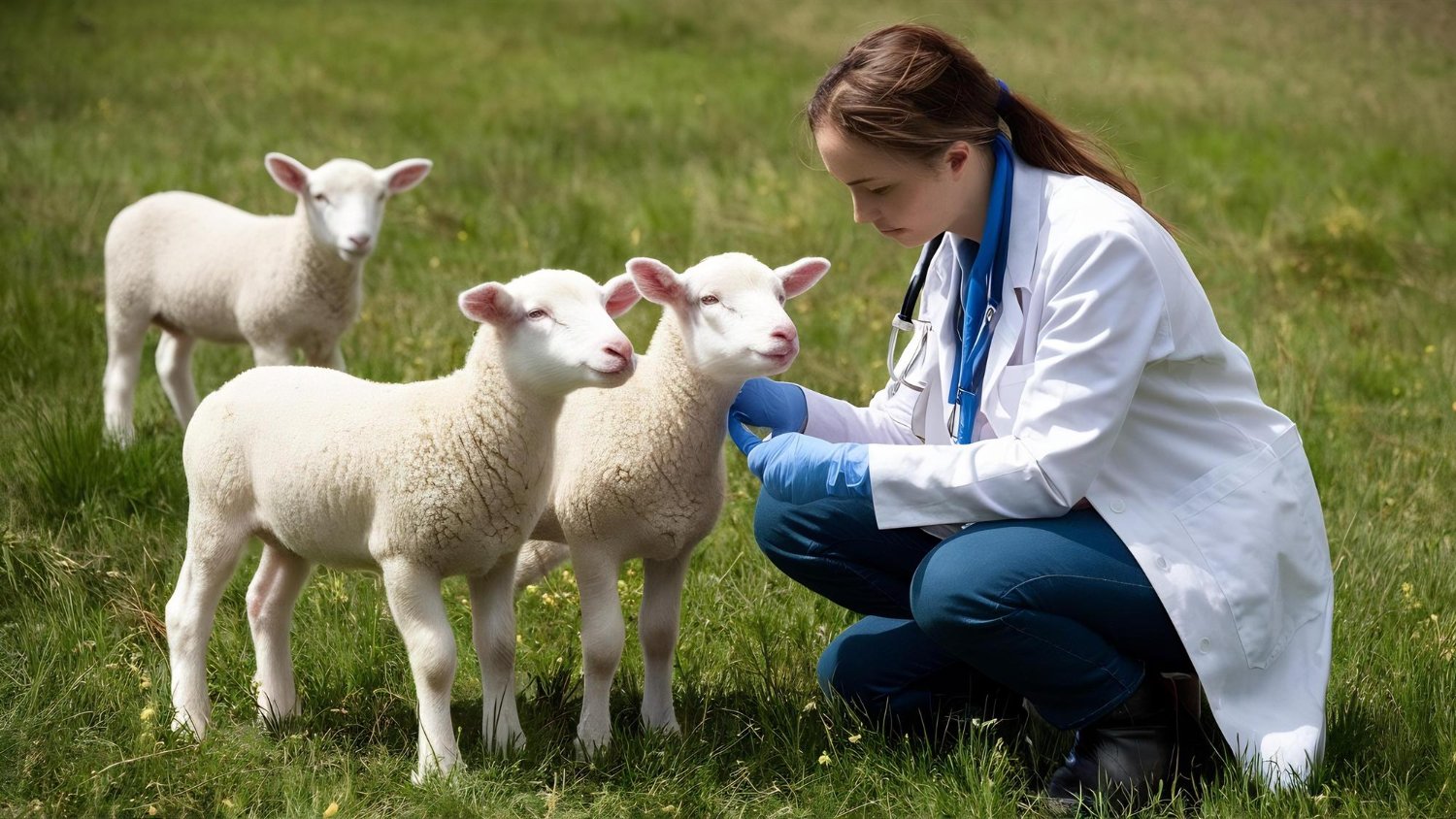
Around 80% of respondents said they would be willing to support a national emergency response. This includes working as Temporary Veterinary Inspectors — vets the government brings in for the duration of an outbreak. They inspect farms, take samples and oversee culling and compliance with restrictions.
Only 28% confident
Yet only 28% of vets are confident that the profession as a whole is prepared to deal with such a crisis. A similarly small proportion feel personally equipped to work during a major outbreak. BVA acknowledges the gap: "Vets in the UK are keen to help if a major animal disease outbreak hits, but many don't feel ready."
What stands in the way
Insufficient training was the leading barrier, cited by 63.5% of respondents. Next came lack of time (48%) and unclear procedures (46%). 44% fear their employer would not release them to help, and 40% lack confidence in dealing with unfamiliar species or diseases.
FarmingUK; 10 November 2026
The worst bluetongue outbreak
The survey follows a difficult year for animal health in the UK. BVA called the recent bluetongue epidemic the country's worst ever. According to figures published in early November, the disease affected 3,472 premises across the UK in the 2026–27 season.
Three weeks of waiting
Farmers felt the strain too. In the summer they waited up to three weeks for bluetongue test results. The National Farmers' Union warned MPs that pressure on veterinary services and testing facilities could undermine the country's ability to handle several outbreaks at once. Slow diagnosis gives a disease time to spread.
What bluetongue is
Bluetongue is a viral disease of ruminants spread by tiny biting midges. Sheep are hit hardest: they develop a fever, a swollen face, a blue tongue, mouth ulcers and lameness. Cattle are usually less affected but may give less milk and abort. The virus is not dangerous to people or dogs.
Scenarios for future crises
On 19 November, BVA Congress at the London Vet Show will hold a dedicated session, "When crisis hits: A practical guide to the vet's role in national emergencies". It will be chaired by vet and MP Danny Chambers. Participants will discuss possible outbreaks of rabies and foot-and-mouth disease.
Who will speak
The panel includes former Welsh Chief Veterinary Officer Christianne Glossop, Paragon Veterinary Group senior director David Black, who is also senior vice-president of the British Cattle Veterinary Association, and Ian Battersby, chair of trustees of Mission Rabies UK. They will talk about the practical difficulties of working during epidemics.
Who does what
Another topic of the session is how responsibilities are shared between government, local authorities and private vets. During an outbreak, practice vets are often on the front line: farmers and owners with suspicious symptoms come to them first. How quickly they suspect a serious disease can decide the scale of an epidemic.
The emotional cost
The organisers will also discuss the ethical and emotional pressures on vets in national crises. Outbreak work often means culling animals that look healthy, talking to farmers who are losing their herds and working long shifts. The 2001 foot-and-mouth epidemic showed that such campaigns leave a deep mark on everyone involved.
Why readiness matters
Time is the key factor in fighting serious animal diseases. The sooner a disease is suspected, the fewer farms it reaches. If there are not enough trained people when an outbreak starts, the government loses days or even weeks. That is why veterinary organisations urge training in advance rather than in the middle of a crisis. Every lost day with foot-and-mouth or bird flu can mean dozens of newly infected farms.
What vets are asking for
The survey answers show what the profession needs:
- Regular courses on serious animal diseases and outbreak procedures.
- Clear procedures published in advance for everyone involved.
- Agreements with employers on releasing vets during a crisis.
- Experience of working with unfamiliar species.
- Mental health support for those working on outbreaks.
Rabies and foot-and-mouth
The rabies and foot-and-mouth scenarios were not chosen by chance. Foot-and-mouth is one of the most contagious livestock diseases, and outbreaks in Europe in 2025 showed how fast it spreads. Rabies does not occur in land animals in the UK, but the risk of introduction with illegally imported animals remains. Both diseases need an immediate response and well-trained people.
Not just farms
Vet preparedness matters beyond farming. Serious diseases can also involve pets: if rabies is suspected in an imported dog, the same government mechanisms come into play. Small animal vets can also become Temporary Veterinary Inspectors, but many of them have never worked with cattle or sheep.
Pressure on the profession
The survey comes amid a shortage of vets in many European countries, especially in rural areas. Farm animal vets are worn down by night calls and long drives, and young graduates more often choose urban practices for cats and dogs. Every major outbreak falls on this already small group of people.
Learning in advance
Many European veterinary services run exercises: they simulate an outbreak and practise setting up zones, taking samples and communicating between agencies. In BVA's view, such exercises should include private vets as well as government staff. Then in a real crisis everyone would understand their role.
What owners can do
Owners of livestock and pets also play a part in protecting against epidemics. It is important to report unusual symptoms to a vet promptly, follow the rules on moving animals and not to bring pets into the country without meeting veterinary requirements. The sooner a vet knows about a problem, the easier it is to stop a disease.
Warning signs in livestock
Farmers should call a vet immediately if animals suddenly develop a fever, mouth or hoof ulcers, heavy drooling, lameness, a swollen face, a sharp drop in milk yield or several unexplained deaths. Such signs may point to notifiable diseases that must be reported to the government veterinary service.
Who Temporary Veterinary Inspectors are
Temporary Veterinary Inspectors are private vets the government employs during an outbreak. They usually receive short training, are given powers and work under the direction of the government service. They visit farms in restriction zones, examine animals, take samples and complete paperwork. Without them, government services simply do not have enough people.
The lesson of 2001
The 2001 foot-and-mouth epidemic in the UK was one of the most severe in Europe's history. Millions of animals were culled and the country suffered huge losses. One lesson was the shortage of trained vets in the first days of the outbreak. Training has improved since then, but the BVA survey shows that many vets still do not feel ready.
Laboratories at their limit
The speed of the response depends not only on vets on farms but also on laboratories. If samples wait weeks for analysis, a disease has time to spread. The summer 2026 experience with bluetongue showed that laboratories cannot cope when sample numbers are high. Farming organisations are asking the government to increase diagnostic capacity in advance.
What this means for Europe
Preparedness is not just a UK problem. Foot-and-mouth, bluetongue, lumpy skin disease and bird flu have shown in recent years that outbreaks can follow one after another. The BVA survey is a signal for the whole of Europe: vets are willing to help, but without training, clear rules and employer support that willingness will not turn into a fast response in a crisis.
When to see a vet
Call a vet straight away if cattle, sheep, goats or pigs develop a fever, mouth and hoof ulcers, drooling, lameness or swelling, or if animals start dying suddenly. Take a dog or cat brought in from abroad to the vet if it becomes aggressive or lethargic or its behaviour changes.
Sources
- FarmingUK, 10 November 2026