Contents
- What happened
- What the owner says
- What the airline says
- What vets say
- Why the hold is harder
- Who's most at risk when flying
- Sphynx and other hairless breeds
- Why a certificate is needed
- How to prepare a pet for a flight
- What kind of carrier is needed
- Are sedatives needed?
- When it's better not to fly
- Travelling by car and train
- What to do right after landing
- How to get answers
- Should you give up flying?
- How to choose an airline
- Documents for travel in the EU
- What to put in the carrier
- When to fly depending on the season
- How to tell your pet has been overwhelmed
- What this means for Europe
- When to see a vet
What happened
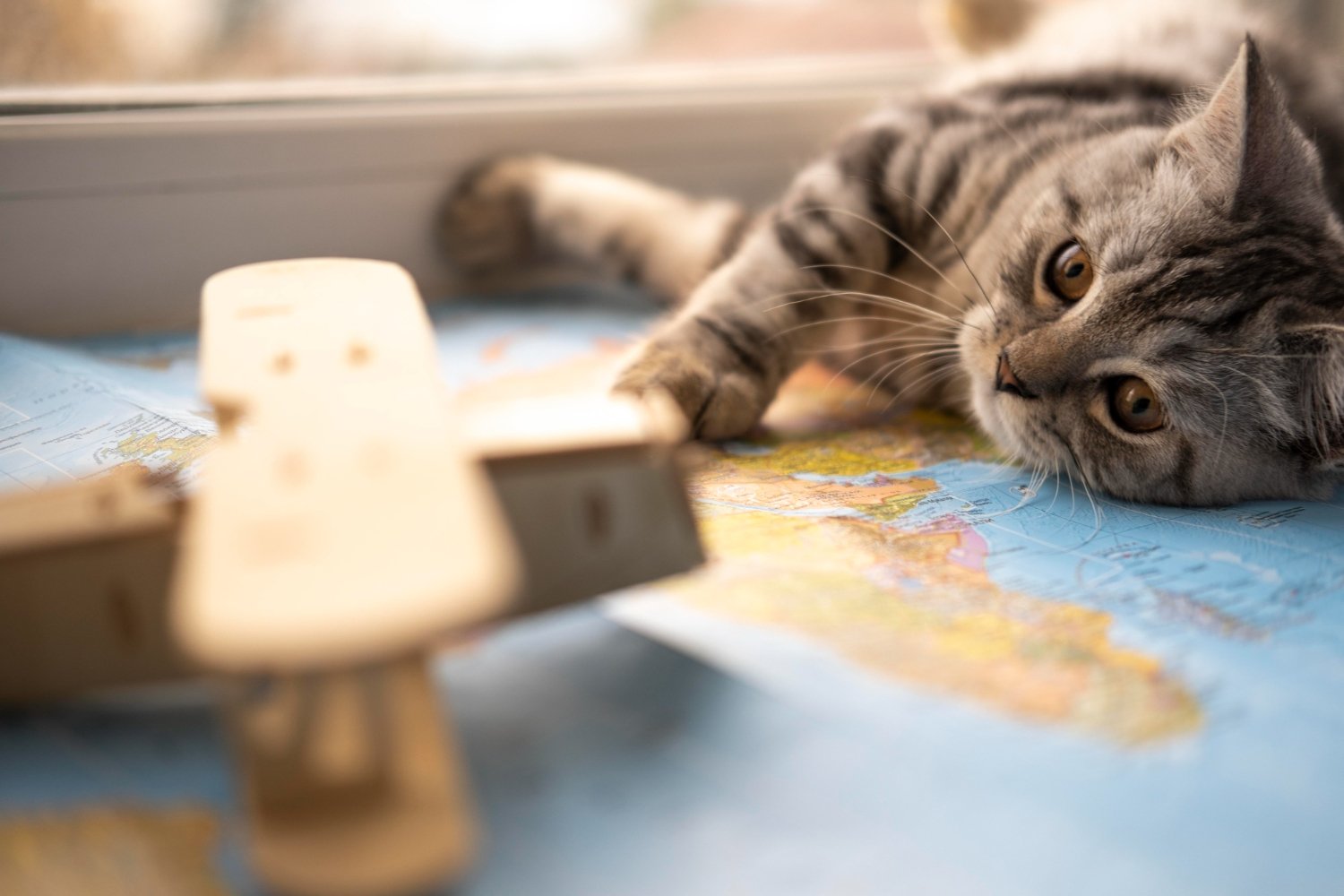
On 30 October 2026 Brussels resident Aurélie Panneels was returning home from Cannes after several years of living there. She flew from Nice to Zaventem airport with Brussels Airlines. In the hold, sharing one travel carrier, were her Sphynx cats, the brothers Safir and Raja, who weren't yet four years old.
At the airport she waited about another hour before being given the carrier, and immediately noticed something was wrong with Raja. She took both cats straight to a vet, who told her that Raja had already been dead for about an hour.
BRUZZ, VRT NWS; 3 November 2026
What the owner says
Aurélie told BRUZZ that her legs gave way when she heard there was nothing more to be done. She stresses that she isn't accusing airline staff of hitting or hurting the cat, but she wants to know what happened. She says that when a suitcase goes missing you get an answer quickly, and that this wasn't a suitcase, but her baby.
What the airline says
Brussels Airlines expressed its regret and called the case extremely rare. The company has promised to find out what went wrong. It carries about 22,000 animals a year, and most fly in the cabin with passengers. The cause of Raja's death hadn't been established at the time of publication, so it's too early to draw conclusions.
What vets say
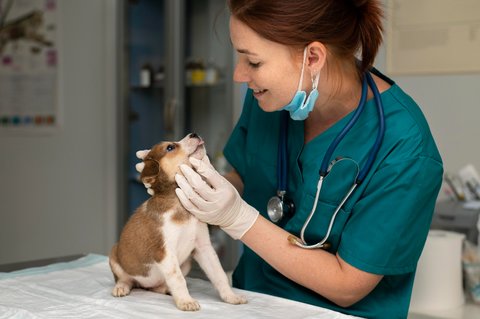
Vets David Haelterman and Wilfried Van Rossem, who work near the airport, call the case exceptional. Van Rossem, who has worked by the airport for about 40 years, can't remember a single patient who fell ill after a flight. Haelterman believes flying is generally no more dangerous for animals than for people, especially in the cabin.
Why the hold is harder
In the hold, a flight also brings temperature swings, noise and the absence of the owner. Animal compartments are pressurised and heated, but the stress is still greater. An animal spends a long time on the apron, in the loading area and in the queue for collection. It's on the ground, not in the air, that a carrier can end up in heat or cold.
Who's most at risk when flying
Vets say animals with short muzzles and narrow airways are especially at risk: pugs and bulldogs, as well as cats such as British Shorthairs and Scottish Folds. They already struggle to breathe, and stress and stuffiness make it worse. Many airlines don't accept these breeds in the hold at all.
Sphynx and other hairless breeds
Hairless cats retain heat less well and are more sensitive to temperature swings, and Sphynx cats have a known inherited tendency to a heart disease, hypertrophic cardiomyopathy, which can go unnoticed for a long time. This doesn't explain Raja's case, as the cause is still unknown. But it's worth having these cats' hearts checked before a long journey.
Why a certificate is needed
Many airlines require a health certificate showing that the animal has recently been examined by a vet and declared fit to fly. Brussels Airlines also asks for one. Haelterman points out that this isn't a guarantee. Some airlines, such as Ryanair, don't carry animals at all, except official guide dogs and assistance dogs.
How to prepare a pet for a flight
- See your vet in good time: an examination, heart check, vaccinations and documents.
- Get your pet used to the carrier: put a bed and treats in it weeks before the trip.
- Add a familiar item or toy that smells of home.
- Feed in good time: no big meal before departure, but don't withhold water.
- Choose a direct flight and the cabin, if possible.
What kind of carrier is needed
The carrier must be sturdy and ventilated, and the animal must be able to stand, turn round and lie down in it. It should show a name, contact details and a "live animal" label. Two animals can share a carrier only if the airline's rules allow it and they're used to being together. Inside there should be absorbent bedding and a fixed water bowl.
Are sedatives needed?
Haelterman believes a mild sedative may be justified only in exceptional cases. Never give such products on your own: some disturb temperature regulation and breathing, and these problems are more dangerous at altitude. If your pet is very anxious, discuss with your vet well in advance whether you should take it at all.
When it's better not to fly
- Pregnant animals and those that have just given birth.
- Very young and very old animals.
- Animals with heart and lung disease.
- Flat-faced breeds in the hold, especially in hot weather.
- Very anxious animals, if there are other options.
Sometimes a trip by car or train with breaks will be safer than a short flight.
Travelling by car and train
Haelterman points out that planes aren't the only source of stress: a car or train trip isn't easy either, though getting used to it helps. Start with short trips, especially with dogs. Secure the carrier in the car and don't leave your pet alone in the vehicle, as a car heats up quickly even in mild warmth.
What to do right after landing
Go to the live animal collection point, and don't leave until you've seen your pet. If it's lethargic, breathing heavily, not responding or cold to the touch, ask for help immediately. Find out the address of the nearest out-of-hours vet near the airport in advance. Make a written complaint to the airline, and keep all documents and photos.
How to get answers
If your pet has died or been injured, make a written statement and keep the ticket, certificate and vet's report. A post-mortem is the only way to establish the cause for certain. It should be done as soon as possible at an independent clinic. Airline liability rules usually treat animals as baggage, so pet insurance may be useful.
Should you give up flying?
Aurélie herself says she won't fly with a pet again. Vets understand her reaction, but consider this conclusion premature: in their words, something bad can also happen at home on the sofa. Most animals cope well with flying, especially in the cabin. It's more important to weigh up whether your pet needs to make the trip, and to prepare well for it.
How to choose an airline
Rules vary: some airlines take animals only in the cabin, others also in the hold, and some not at all. Check the maximum weight of pet and carrier, banned breeds, temperature limits in summer and winter, and how to book. Some airlines offer a separate service carrying animals as cargo with special handling. Book your pet's place straight away, as the number of animals on a flight is limited, and a last-minute refusal can ruin the whole trip.
Documents for travel in the EU
Within the European Union, dogs, cats and ferrets usually need a microchip, an EU pet passport and a valid rabies vaccination. Some countries also require parasite treatment for dogs. Outside the EU the rules are stricter: blood tests and veterinary certificates may be needed, which must be arranged weeks or even months ahead. Check the destination country's requirements on its official website, not just the airline's, and ask your vet about timings.
What to put in the carrier
An absorbent mat or familiar blanket works best, with a fixed water bowl that can be filled from outside, and no toys that could get stuck or break. Take off the collar if the rules allow, as it can catch on the grille. Attach your contact details and your vet's number to the carrier, and leave a note inside about your pet's particular needs. In cold weather you can add a warm blanket, but not a hot water bottle, which is dangerous.
When to fly depending on the season
Risks are higher in summer and winter because of heat and cold on the apron. Many airlines ban carriage in the hold if the airport temperature goes beyond certain limits. If you have a choice, fly early in the morning or in the evening in hot weather and during the day in cold weather, choose a direct flight and avoid changes. The less time a carrier spends on the apron and in baggage reclaim, the better for your pet.
How to tell your pet has been overwhelmed
After a trip a cat may hide and not eat for several hours, and a dog may breathe heavily, whine and refuse to leave your side. This usually passes within a day. Give water, a quiet place and familiar food in small portions, and don't introduce your pet to visitors straight away. If it doesn't eat for more than a day, or has vomiting, diarrhoea, breathlessness or can't get up, see a vet rather than assuming it's normal stress.
What this means for Europe
EU airlines carry hundreds of thousands of animals a year, and the rules all differ. Demand for flying with pets is growing in Europe, so transparency in cases like this matters more. Owners should read the carrier's terms early and not leave it to the last minute, especially when an animal will travel in the hold.
When to see a vet
Take your pet to a vet before travelling if it has heart or lung disease, is a flat-faced breed or is very anxious. After a flight, see a vet urgently if your pet is breathing heavily, is lethargic or cold, has blue gums, or is vomiting or has diarrhoea. Tell the vet how long your pet spent in the carrier.
Sources
- BRUZZ, 3 November 2026
- VRT NWS, 3 November 2026