Contents
- What happened
- What "monitored disease" means
- No automatic bans
- Possible measures
- The US experience
- How cows are affected
- Risk to people
- Raw milk
- Cats on farms
- Bird flu in Finland
- A virus on every continent
- Why Finland is acting early
- What farmers should do
- Protecting workers
- Biosecurity on the farm
- Moving animals
- Milk and pasteurisation
- Surveillance in the EU
- What it means for shoppers
- Why it matters to everyone
- If you keep hens and cats
- Vets on the front line
- What this means for Europe
- When to see a vet
What happened
On 9 November 2026 Finland's Ministry of Agriculture and Forestry announced that highly pathogenic avian influenza in cattle is now a monitored animal disease under the Animal Diseases Act. On 10 November the farming newspaper Maaseudun Tulevaisuus reported on it in detail. The decision was taken in advance: the virus has never been found in Finnish cows.
What "monitored disease" means
Finnish law divides animal diseases into groups depending on how dangerous they are and how they are controlled. Monitored diseases are those whose spread the state tracks and which must be reported when suspected. Now, if a farmer or vet suspects bird flu in a cow, it must be reported to a vet immediately, and the authorities then step in.
No automatic bans
The ministry stresses that monitored status does not bring the same set of measures for every disease. It does not automatically lead to culling, isolation of the farm or a movement ban. Everything depends on the specific disease and the decision of the veterinary authorities in each case.
Possible measures
For bird flu in cattle the ministry has already outlined the main measures. If the disease is detected, movements of animals to and from the farm would be restricted. Milk from the affected herd would have to be pasteurised. This is to stop the virus spreading between farms and to keep products safe for people.
Finnish agriculture ministry, MT; 9–10 November 2026
The US experience
Highly pathogenic bird flu was first found in dairy cows in the US in 2024. Since then it has affected hundreds of farms in different states, and new cases are still appearing. People who worked with sick cows were also infected. In 2026 a person in Washington state who had contact with infected cattle died, though they also had other illnesses.
How cows are affected
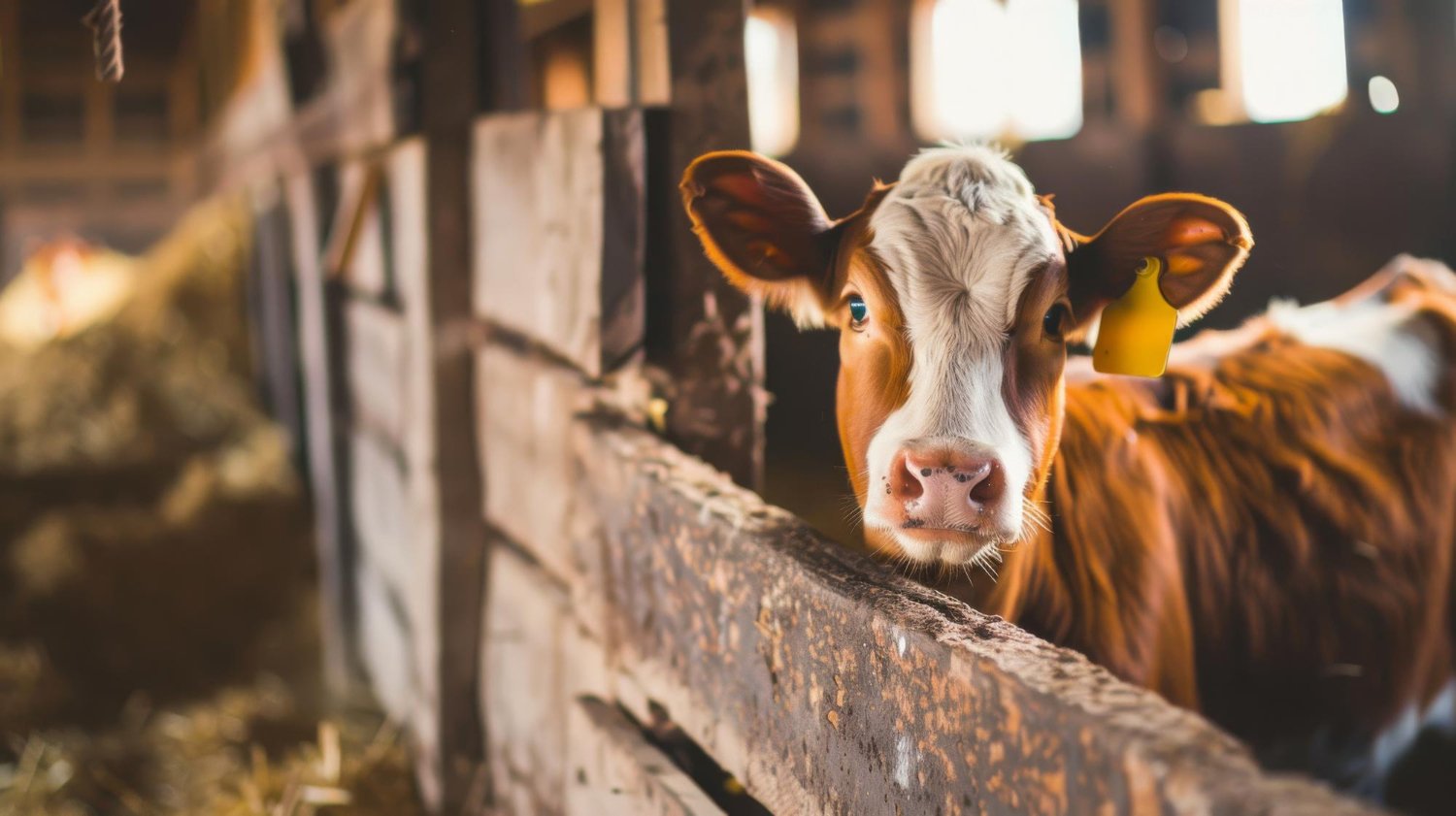
In cows bird flu is usually less severe than in birds. Animals lose their appetite, run a fever and their milk yield drops sharply. The milk becomes thick and yellowish, like colostrum. A lot of virus is shed in milk, so on farms infection often spreads via milking equipment and people's hands.
Risk to people
The ministry assesses the risk of infection for people who work directly with sick animals as low to moderate. For the rest of the population it is low. No infections via milk or other food have been recorded anywhere in the world. Pasteurisation reliably destroys the virus, so milk from shops is safe.
Raw milk
Raw, unpasteurised milk is a different matter. In the US, farm cats that drank milk from infected cows fell ill, and many of them died. That is why vets advise against giving raw milk to pets and urge caution with drinking it, especially in areas where bird flu has been recorded.
Cats on farms
Cats have proved to be among the most vulnerable animals when bird flu affects cows. In them the disease often attacks the nervous system: they lose coordination, go blind or have seizures. Farm owners should keep cats out of milking areas and not give them raw milk or meat. If a cat shows unusual symptoms, call a vet straight away.
Bird flu in Finland
In Finland highly pathogenic bird flu is regularly found in wild birds and small carnivores such as foxes. In 2023 the virus caused mass deaths of gulls nesting in the country. It also spread to fur farms, where farmed animals were infected. This experience showed how quickly the virus can jump from birds to mammals.
A virus on every continent
As a bird disease, highly pathogenic avian influenza has spread to every continent since 2020. It affects domestic and wild birds and increasingly mammals — from seals and foxes to polar bears. Every new group of animals in which the virus becomes established increases the risk of it changing.
Why Finland is acting early
The Finnish authorities want to be ready before the virus reaches farms. If a disease is listed in advance, there is a legal basis for rapid action at the first suspicion. There is no need to spend time changing laws when every day counts. This approach is in line with the EU's general strategy of early detection of new threats.
What farmers should do
The ministry and vets advise livestock owners to:
- Monitor milk yield, appetite and body temperature.
- Report a sharp drop in yield or thick yellow milk to a vet immediately.
- Keep wild birds, cats and other animals out of cattle sheds.
- Follow milking hygiene and disinfect equipment.
- Limit access to the farm for outsiders.
Protecting workers
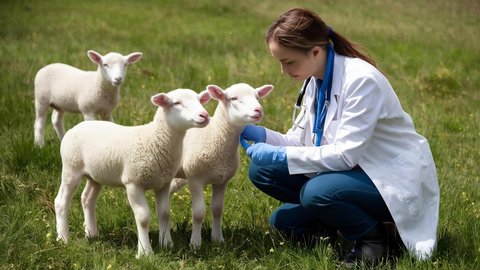
People working with animals suspected of having bird flu need gloves, goggles and masks. After work they should wash their hands and change their clothes. If a farm worker develops flu-like symptoms or eye inflammation after contact with sick animals, they should see a doctor and mention their work.
Biosecurity on the farm
Biosecurity is the main protection against the virus. Feed and water should not be accessible to wild birds. Vehicles, people and equipment arriving at the farm can carry the virus from other holdings. The fewer random contacts, the lower the risk. These rules help not only against bird flu but against other cattle diseases too.
Moving animals
Restricting movements is one of the main measures in cattle outbreaks. If cows from an infected herd are sold or moved, the virus can travel with them to other farms. In the US the spread of the disease between states was linked to cattle movements. That is why the Finnish authorities have planned such restrictions in advance.
Milk and pasteurisation
Pasteurisation — heating milk to a set temperature — destroys viruses and bacteria. In Finland almost all milk that reaches shops is pasteurised. Requiring pasteurisation during an outbreak ensures that not a drop of raw milk from an infected herd reaches consumers or animals.
Surveillance in the EU
European countries are stepping up surveillance of bird flu in mammals. Veterinary services test samples from wild animals and, in some countries, cows' milk. The aim is to spot the virus as early as possible if it appears in cattle. With the new status for the disease, Finland is joining this shared system.
What it means for shoppers
For people buying milk and meat in Finland nothing changes. Products in shops are safe, and pasteurised milk cannot transmit the virus. The new rules are designed to protect animals, farmers and the economy, not to restrict consumers.
Why it matters to everyone
Bird flu is an example of a disease that affects wildlife, agriculture, pets and people at the same time. This approach is called One Health: the health of people, animals and the environment is connected. Finland's decision follows this logic: the sooner the virus is stopped in animals, the lower the risk to people.
If you keep hens and cats
Owners of smallholdings where hens, cats and sometimes cows or goats live side by side should be especially careful. Bird flu can pass from birds to other animals. Keep hens away from wild birds, do not feed cats raw poultry or raw milk, and tell a vet about sudden deaths of birds or illness in other animals.
Vets on the front line
Rural vets are the first to see sick animals on farms. Whether the virus is spotted in time depends on their vigilance. In Finland, as in many countries, there is a shortage of vets in rural areas, so it is important that farmers keep an eye on their herd's health and do not put off calling the vet.
What this means for Europe
Finland's decision shows how European countries are preparing for bird flu possibly appearing in cattle. So far the virus has rarely been found in European cows, but the US experience proved it can spread quickly between farms. Advance rules, milk surveillance and biosecurity help buy time if the threat becomes real.
When to see a vet
Call a vet urgently if your cows' milk yield drops sharply, their milk becomes thick and yellow, or they stop eating or have a fever. Take a cat to the vet if, after contact with birds or raw milk, it becomes lethargic, loses coordination, goes blind, has seizures or has difficulty breathing.
Sources
- Maaseudun Tulevaisuus, 10 November 2026
- Finnish Ministry of Agriculture and Forestry, 9 November 2026