Contents
- What happened
- A kennel under investigation
- All 64 shelters
- "Every dog needed attention"
- Pride in the team
- What is known about the kennel
- What awaits the rescued dogs
- The health of "puppy farm" dogs
- Fear and behaviour
- How to spot an unscrupulous breeder
- Puppy fraud
- The rules in France
- How to choose a breeder
- Adopting from a shelter
- The first weeks at home
- A vet check after adoption
- How to help if you cannot adopt
- How to report cruelty
- The role of veterinary investigators
- Why such kennels exist
- The cost of such an operation
- Foster families
- What this means for Europe
- When to see a vet
What happened
On 10 November 2026 the French animal protection society SPA announced the largest dog rescue in its history. On Tuesday 3 and Wednesday 4 November its staff and volunteers, working with the authorities, removed more than 800 dogs from a breeding kennel in the Indre department in central France. The SPA called the operation "historic".
A kennel under investigation
The operation was part of a large criminal investigation. The kennel is suspected of animal cruelty and fraud. Everything was carried out under the authority of the public prosecutor. The gendarmerie and the national veterinary and phytosanitary investigation brigade, BNEVP, took part — a specialist unit that handles the most complex animal welfare cases.
All 64 shelters
The number of dogs required an unprecedented mobilisation. All 64 SPA shelters across France took part, along with more than 160 staff and volunteers and 90 vehicles taking turns on site. Every step had to be coordinated with the authorities to get the animals to safety without compromising the investigation.
"Every dog needed attention"
The operation was coordinated by Tamara Guelton. She says that in 23 years at the SPA she had never organised a seizure on this scale. "Above all there were more than 800 dogs, each needing particular attention," she said. They had to be brought out, calmed and transported to the shelters.
actu.fr, citing SPA; 10 November 2026
Pride in the team
The SPA's head, who was on site, said he could see the full scale of what the teams had achieved. "Taking in more than 800 dogs in a single operation required exceptional organisation. All our shelters answered the call," he stressed. The SPA thanked the Bourges gendarmerie research section and the BNEVP for their close cooperation.
What is known about the kennel
Neither the SPA nor the authorities have released details about the kennel or its owner, as the investigation is ongoing. All that is known is that it is a dog breeder in the Centre-Val de Loire region and that the suspicions concern both the animals' living conditions and possible deception of buyers. Any finding of guilt will be for a court.
What awaits the rescued dogs
The dogs have been distributed among SPA shelters. First vets examine them: their general condition, teeth, skin and ears, and treat them for parasites. Many need time to get used to people and new surroundings. Animals seized by court order cannot always go to new homes straight away: their fate often depends on the final ruling in the case.
The health of "puppy farm" dogs
Dogs from overcrowded kennels often suffer from the same problems: parasites, skin disease, matted coats, ear infections, bad teeth and overgrown claws. Bitches used for breeding may have problems with the mammary glands and uterus. Many animals are emaciated or, on the contrary, inactive and overweight.
Fear and behaviour
The psychological effects are just as serious. Dogs raised in cages without normal contact with people are often afraid of new sounds, the outdoors and being touched. Some do not know how to walk on a lead or ask to go out. They need patience, calm surroundings and a gradual introduction to the world. Many eventually become wonderful family dogs.
How to spot an unscrupulous breeder
Warning signs when buying a puppy:
- The seller will not show you the puppy's mother or where the dogs live.
- Many breeds and puppies "always available".
- The puppy is handed over in a car park or delivered to your home.
- No documents, pet passport or microchip details.
- The price is well below market rate or a deposit is demanded up front.
Puppy fraud
Fraud is often part of such stories. Buyers are promised pedigree puppies with papers but sold crossbreeds without documents. Puppies are handed over too young, sick or without the vaccinations shown in the paperwork. Sometimes the buyer never receives a dog after paying a deposit. That is why authorities in many countries advise checking the breeder before transferring any money.
The rules in France
In recent years France has tightened the rules on selling dogs and cats. A future owner must sign a document confirming they understand their responsibilities and is given a cooling-off period before buying. Selling dogs and cats in pet shops is banned. Every puppy must be identified with a microchip or tattoo before going to its new owner.
How to choose a breeder
A good breeder asks the future owner questions, invites you to see the puppy's parents and living conditions, does not let puppies go before eight weeks of age, hands over records of vaccinations, parasite treatment and microchipping, explains feeding and is ready to give advice. Such a breeder keeps one or two breeds, not a dozen.
Adopting from a shelter
The alternative to buying is to adopt a dog from a shelter. In France the SPA and other organisations rehome tens of thousands of animals every year. Shelter staff know each dog's character and help find one that suits the family. An adult dog from a shelter is often already house-trained and holds fewer surprises for new owners.
The first weeks at home
A dog that has lived through harsh conditions needs time to adapt. Give it a quiet place where nobody disturbs it. Do not insist on affection; let the dog come to you. Introduce a feeding and walking routine gradually. If the dog is fearful, it is better to see a trainer or behaviour specialist than to wait for it to pass on its own.
A vet check after adoption
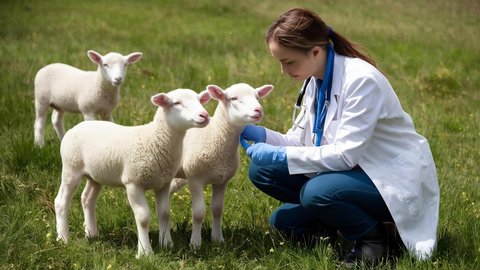
Even if the dog was examined at the shelter, take it to your own vet after it moves in. The vet will check its general health, advise on vaccinations and parasite treatment and assess its teeth and weight. It is also a good chance to introduce the dog to the clinic calmly, not when it is ill.
How to help if you cannot adopt
Not everyone can take a dog home, but there are other ways to help shelters. They need volunteers for walks and care, foster homes, food, bedding and donations for treatment. After operations like the one in Indre, the burden on shelters rises sharply, and every bit of help matters.
How to report cruelty
If you suspect animals are being kept in terrible conditions, photograph what you can see from a public place, note the address and time and report it to the police, the local authority or an animal welfare charity — in the UK, the RSPCA. Do not try to take the animals yourself: this can harm them and the investigation.
The role of veterinary investigators
In France the national veterinary and phytosanitary investigation brigade steps in on complex cases involving many animals, fraud or risks to human health. Its specialists gather evidence, assess the animals' condition and support the prosecutor. Without such expertise, these cases often cannot be brought to court.
Why such kennels exist
As long as there is demand for cheap puppies of fashionable breeds "here and now", unscrupulous breeders will supply them. Animals in such places live crowded together, often without proper care, and bitches have litter after litter. Every seizure shows that the problem has not gone away despite tougher laws.
The cost of such an operation
Rescuing hundreds of animals takes a lot of money. The dogs must be transported, housed, fed, treated, microchipped and neutered. The SPA stresses that the operation was possible thanks to the support of its donors and those who left it legacies. In France SPA shelters rely mainly on private donations rather than public funding.
Foster families
When hundreds of dogs arrive at shelters at once, space quickly runs out. Foster families are especially needed in such cases — people who take a dog home for a few weeks while a permanent home is found. At home a dog gets used to normal life faster, and shelter staff learn more about its character.
What this means for Europe
Similar puppy farms are found in many European countries, and their puppies are often sold across borders. The EU is discussing common rules on breeding, selling and registering dogs and cats to combat this trade. The Indre case is a reminder to buyers everywhere: check the breeder and never take a puppy without seeing the conditions in which it was born.
When to see a vet
Take a puppy or dog from an unknown kennel or shelter to a vet straight away if it has diarrhoea, vomiting, a cough, eye or nose discharge, itching, bald patches, weakness or refuses food. Urgent help is needed for bloody diarrhoea, severe lethargy or seizures: these can be signs of parvovirus, distemper and other dangerous infections.
Sources
- actu.fr, 10 November 2026