Contents
- What it's about
- What the law says
- What lawyers say
- What the photographer says
- How animals are shown on film
- And what about Halloween costumes?
- Animals on film: who looks after their welfare
- AI and CGI instead of make-up
- How to tell if your dog is uncomfortable during a shoot
- Why make-up is dangerous for animals
- Why have a ban with no penalty
- What owners in other countries should know
- How to photograph your pet ethically
- When to see a vet
What it's about
On 30 October 2026 the Finnish broadcaster Yle published a piece about Turku photographer Salla Kuikka. For several years she has taken horror photos with animals as a hobby: people and dogs are made up as the "living dead" in post-apocalyptic scenes. To do this, Kuikka applies cold clay and then thawed cow's blood on top. She uses the same materials on a dog's coat.
The images spark fierce debate on social media. "Some love these photos, others hate them with all their hearts. There's no in-between," the photographer says.
Yle; 30 October 2026
What the law says
Finland's new animal welfare law took effect at the start of 2024. It explicitly bans dyeing an animal to change its appearance. It doesn't specify which substances are meant. The explanatory notes say that an animal mustn't be treated as an ornament or means of entertainment, or presented as anything other than an animal.
During the shoot for Yle, the editors asked the photographer not to make up her dog, nine-year-old Afghan hound Paviaani, and the article only published images taken before 2024, when the old law didn't ban dyeing.
What lawyers say
Tarja Koskela, a doctor of law at the University of Eastern Finland, believes dyeing goes against the law's idea of treating animals with respect. In her view, it doesn't matter whether the substance causes pain or stinging: it's enough that it's applied to the animal to change its appearance.
Venla Mathlein, chair of the Finnish association of animal rights lawyers, adds that behind the ban lies the thought that dyeing is done to entertain people rather than for the animal's welfare, and that this distorts people's relationship with animals.
But there's an important caveat: dyeing is banned but not punishable.
The means of intervening are still quite limited.
Tarja Koskela, doctor of law, University of Eastern Finland
The supervisory authority can ban such activity and back up the ban with a fine if it continues. There are no precedents yet on how this clause should be interpreted.
What the photographer says
Salla Kuikka doesn't believe she's breaking the law. "I smear and make up, I don't dye. It all washes off with water," she says. In her view this is art and self-expression, and an animal isn't a tool or entertainment for her. The shoot always goes at the dog's pace: if a situation becomes unsafe or the dog stops having fun, it ends, and there are always breaks.
The photographer finds it contradictory that she's criticised when social media is full of funny photos of pets in sunglasses or Santa hats. She's ready to question all pet photos taken to entertain people, because she believes they're all in the law's grey area.
How animals are shown on film
Animal trainer Tuire Kaimio prepares animal actors for films and TV series. She has to work out, for example, how to show a bird covered in oil or a dog hit by a car without harming real animals.
Fortunately, AI and post-production help: they're my friends.
Tuire Kaimio, animal trainer for film and TV
Kaimio sees it as an achievement that the new law requires respectful treatment and doesn't just ban causing suffering. She expects enforcement to be difficult, with the authorities only stepping in in flagrant cases. In her view, it's more important to think about how such images shape people's ideas about animals' feelings and needs. And artistic goals don't give anyone the right to depart from the law: "It doesn't matter to the animal whether a person considers what they're doing to be art. What matters to the animal is how it feels at that moment."
And what about Halloween costumes?
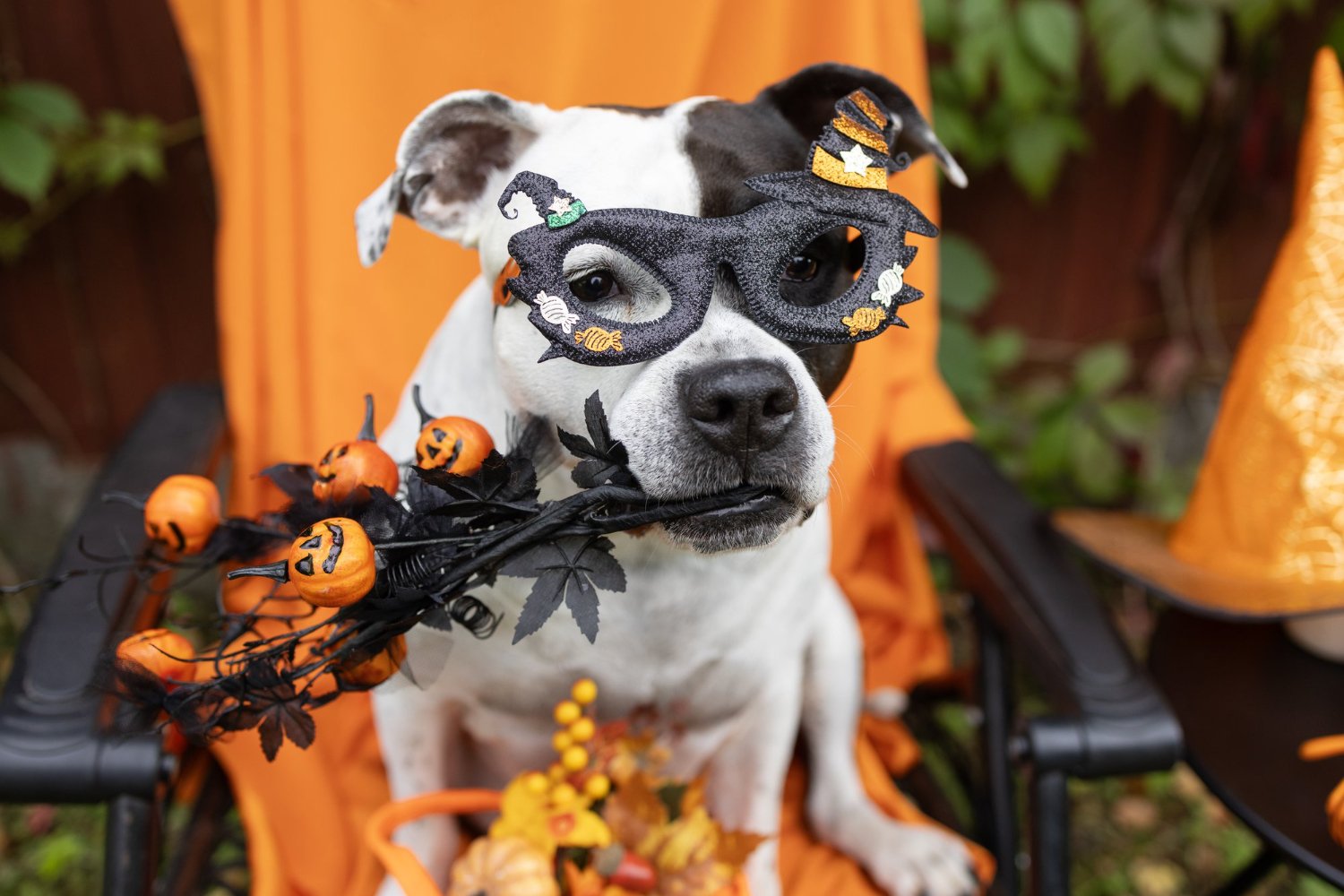
This question comes up every year at Halloween, and again at Christmas, when many people dress up their pets. Kaimio doesn't say outright that a hat on a pet's head is unethical, but she urges owners to think about what they're doing and why. Vets usually advise some simple rules:
- a costume mustn't get in the way of seeing, hearing, breathing, eating or moving;
- don't put anything over the muzzle or tighten anything around the neck;
- take the costume off if your pet tries to shake it off, hides or freezes;
- don't put paint, glitter or make-up on the coat: an animal can lick off even "safe" products.
Animals on film: who looks after their welfare
Film and TV shoots with animals involve trainers and, in many countries, special observers or vets who make sure animals come to no harm. In the US, for example, a well-known credit says that no animals were harmed: it's issued by an organisation that monitors shoots. In Europe the rules depend on the country, but animal protection laws also apply on set.
Experienced trainers prepare animals for the work in advance, getting them used to lights, noise, people and commands, and building scenes so that the animal performs familiar behaviour for a reward. Dangerous and "scary" scenes are increasingly made without live animals.
AI and CGI instead of make-up
What Tuire Kaimio describes is a general trend in film. Scenes in which an animal is injured, dirty or in danger are now often created with CGI, puppets and editing. AI makes this work easier for small productions too. For animals it's good news: they don't have to put up with make-up, unpleasant substances or long retakes of dangerous scenes.
How to tell if your dog is uncomfortable during a shoot
Even if nothing goes on the coat, a photo session can be stressful. Watch for these signals:
- frequent lip-licking and yawning when not tired;
- ears back and tail tucked;
- "whale eye", showing the whites of the eyes;
- turning away, trying to leave or hide;
- trembling and heavy breathing without heat or exertion.
If you see these signs, stop, let your dog rest and give a reward.
Why make-up is dangerous for animals
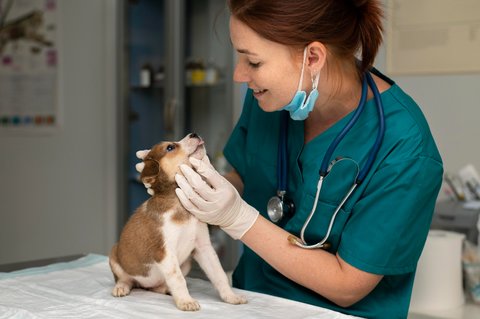
Apart from the ethics, there's a practical side too. Dogs and cats groom themselves, so anything put on the coat can end up in the stomach. Paints, glues and glitter can irritate the skin and cause allergies or poisoning. The photographer herself says she uses real blood because artificial blood would be dangerous for a dog to swallow. Vets point out that if your pet has licked off paint or make-up and starts vomiting, drooling or showing skin irritation, you should see a vet.
Raw blood and clay aren't straightforward either. Raw blood is an animal product and can contain bacteria, which reach a dog's mouth and gut when it licks itself. Clay and other materials can mat the coat and irritate the skin, especially in long-haired dogs such as Afghan hounds. So even if the substances wash off with water, a dog should be thoroughly washed after such a shoot and its skin checked.
Why have a ban with no penalty
A ban without a penalty may seem to change nothing. But lawyers see an important signal in it: the law clearly says that an animal can't be turned into a decoration or a prop. This influences the supervisory authorities, which can ban the activity and impose a fine for non-compliance, the courts that will interpret the law in future cases, and public opinion. Many animal welfare rules began in just this way: first as a principle, then as a practice.
What owners in other countries should know
Most European countries have no direct ban on dyeing animals, but animal protection laws prohibit causing them suffering and harm. Finland has gone further by adding a requirement for respectful treatment. Experience shows such rules are hard to apply, but they set a direction: an animal isn't a prop.
How to photograph your pet ethically
- Take photos in familiar surroundings, without long sessions.
- Reward with treats and take breaks.
- Watch for signs of stress: lip-licking, yawning, ears back and attempts to leave.
- Don't use a flash close to the eyes.
- If you want a "scary" scene, create it through editing rather than make-up on the animal.
When to see a vet
If your pet develops redness, itching, swollen skin, watery eyes, vomiting or drooling after a photo session or wearing a costume, it may have licked off paint, make-up or glue. See your vet and say what was put on the coat. If you still have the product packaging, take it with you: the ingredients will make it easier for the vet to decide on treatment.
Sources
- Yle, 30 October 2026