Contents
- What happened
- A virus from Spain
- Why hares were spared before
- How the disease spreads
- Winter will bring a lull
- How to recognise a sick hare
- No mercy shots
- Half survive
- Reinfection
- Young and old
- How many hares have died
- Where the situation is best known
- How the virus is moving
- The first wave is the worst
- The SAGIR monitoring network
- Should hunting stop?
- If you find a dead hare
- Is it dangerous for people and dogs?
- Hunting dogs
- Why pet rabbits are at risk
- How to protect your rabbit
- A vaccine for wild hares?
- Rabbits in the 1950s
- Why the hare matters
- What this means for Europe
- When to see a vet
What happened
On 7 November 2026 the French hunting website So Chasse published a long interview with Anne de Galard, vet for the Fédération nationale des chasseurs (FNC), France's national hunters' federation. The subject is worrying: myxomatosis, long seen as a rabbit disease, is now killing brown hares in large numbers in several regions. And she believes the disease could be found throughout France by next year.
A virus from Spain
According to Anne de Galard, the variant affecting hares came from Spain. It is a recombinant virus: the classic myxoma virus swapped genes with another poxvirus. The classic virus was adapted to rabbits, but recombination has allowed it to infect hares and multiply in them. The virus can now affect both species.
Why hares were spared before
Hares had probably been exposed to the myxomatosis virus in the wild for a long time, since they live alongside rabbits. But the old virus did not make them ill. The new variant has changed that. Scientists see this in several countries: when a virus gains new genes, it can jump to a new host species.
How the disease spreads
Myxomatosis is spread by vectors. The virus is carried by biting insects such as mosquitoes, fleas and blackflies. It can also pass directly from hare to hare or from hare to rabbit. Over long distances it travels with insects or when animals are moved. That is why the disease is advancing so quickly across the country.
Winter will bring a lull
As temperatures fall, insect activity will drop and deaths among hares should ease. But Anne de Galard warns that this does not mean the disease has gone. In spring, when insects become active again, the virus could return. It is important to tell the difference between a seasonal lull and the real end of the epidemic.
So Chasse, FNC; 7 November 2026
How to recognise a sick hare
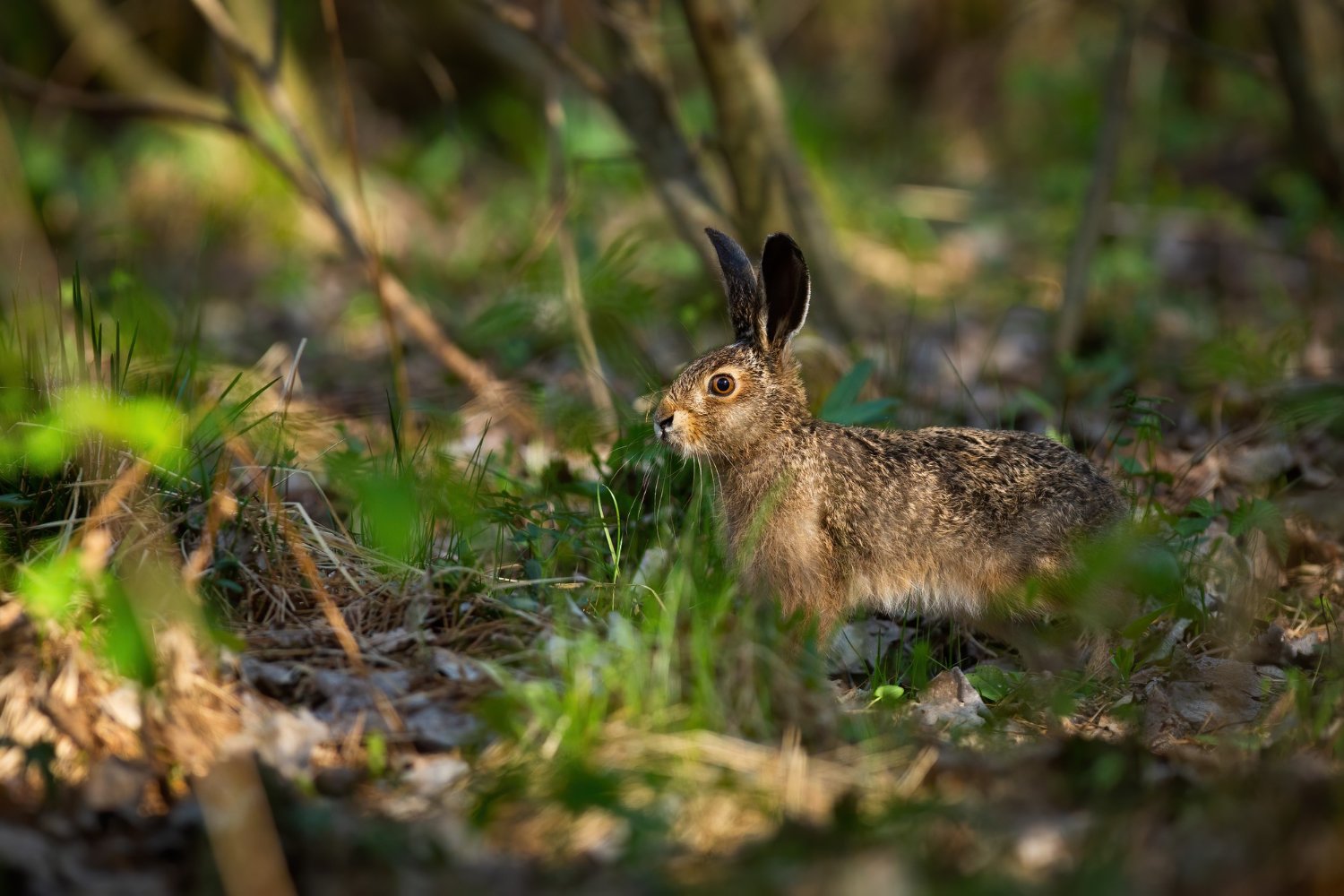
Signs in hares can be less obvious than in rabbits. Some hares look as if they have been burned by crop sprays, with leathery skin on the head. There may be eye lesions, skin infections, lumps under the skin and hair loss. Overall these animals are weak and lethargic.
No mercy shots
The federation's most unusual recommendation is not to shoot sick hares. Many hunters want to end an animal's suffering. But Anne de Galard explains that hares that recover probably become immune. They will form the core of a resistant population. Shooting sick hares removes those that might have survived.
Half survive
How do we know that many hares survive? The data come from Spain, where the disease appeared earlier. According to Spanish studies, about half of infected hares survive. Anne de Galard urges caution: the situation in France is too new to draw firm conclusions. Why some hares survive and others do not is still unknown.
Reinfection
Can a recovered hare fall ill again? According to the vet, it will be much less vulnerable. There is no 100% guarantee, but the protection should be substantial. That is why survivors are so valuable for the future of hare populations: their young may be better able to resist the virus.
Young and old
Leverets do not necessarily fall ill more often than adults. As with many diseases, young animals may have weaker defences, but so do very old ones. Anne de Galard warns against hasty conclusions about which age groups suffer most. Monitoring data are needed.
How many hares have died
There is no national total yet. The federation hopes to have a first, partial assessment by the end of the year. In some areas hunters saw dead hares without thinking of myxomatosis, and only later sent animals for testing. Hares can also die of other diseases, such as European brown hare syndrome.
Where the situation is best known
The outbreak is best documented in the Charente-Maritime département in western France. That does not mean it is where the most hares are dying. Local hunters had spent years rebuilding hare populations and were monitoring them closely, so they quickly noticed something was wrong.
How the virus is moving
The virus was first identified in west-central France. Now reports are coming from other areas: the Pyrénées-Orientales, Var, Rhône and Isère. Last week confirmation came from Haute-Garonne. “At this rate, it could be all over France next year,” says Anne de Galard.
The first wave is the worst
The vet points to what happened with rabbits. When the virus first sweeps through, deaths are usually very high, and then the situation gradually eases. Survivors become immune, and virus and host adapt to each other. But this takes years, and the first seasons can bring heavy losses.
The SAGIR monitoring network
In France the SAGIR network monitors diseases in wild animals, bringing together hunters' federations and veterinary laboratories. The federation has alerted the network's technical contacts in each département. Where unusually high numbers of dead hares are found, samples are taken to test for myxomatosis, so that deaths are not automatically put down to diseases already known.
Should hunting stop?
Should hare hunting be suspended where the virus is circulating? The federation does not give a single answer and relies on local hunting associations to act responsibly. In some areas hunters have already decided not to shoot hares this season. What matters most, says the vet, is to let populations recover from the surviving animals.
If you find a dead hare
The federation's vet gives clear rules:
- Inform the local hunting federation or the relevant authority.
- Do not handle the carcass with bare hands.
- Keep dogs away from it.
- Wait for specialists to decide whether it should be collected for testing.
- If handling is necessary, wear gloves and suitable protective clothing.
Is it dangerous for people and dogs?
Myxomatosis cannot be passed to people or dogs. But a weakened hare may have other infections. In addition, some lesions can be mistaken for mange, which can affect people and dogs. So the vet advises good hygiene and keeping hunting dogs away from dead or sick hares.
Hunting dogs
This matters particularly for owners of hunting dogs. Hounds and pointers may find a sick or dead hare before their owner does. Keep your dog under control in areas where hare deaths have been reported. After a day out, check its coat and skin, and see your vet if it is itchy or scratching.
Why pet rabbits are at risk
The new variant is also dangerous for rabbits, including pet rabbits. In rabbits myxomatosis develops quickly: the eyelids, lips, ears and genitals swell and lumps appear on the skin. Without treatment many rabbits die. Vaccines against rabbit myxomatosis have long been available, and vets recommend regular vaccination.
How to protect your rabbit
Rabbit owners can lower the risk with simple steps:
- Vaccinate your rabbit against myxomatosis and both strains of rabbit haemorrhagic disease.
- Keep to the booster schedule your vet recommends.
- Fit insect mesh over the hutch and run, especially in summer and autumn.
- Treat your rabbit and other pets in the household for fleas.
- Do not feed grass picked where wild rabbits and hares live.
A vaccine for wild hares?
Could wild hares be vaccinated? Vaccines against rabbit myxomatosis exist, but Anne de Galard cannot say whether they would work in hares. And vaccinating thousands of wild animals in the fields is practically impossible. For now the main hope lies in the natural immunity of surviving hares and sensible management of hunting.
Rabbits in the 1950s
The history of myxomatosis in France began in 1952, when the virus was deliberately introduced to control rabbits. It spread rapidly across Europe, including to Britain, and wiped out a large part of the wild rabbit population. Over time survivors became more resistant and the virus less deadly. Hunters now fear hares may follow a similar path.
Why the hare matters
The brown hare is one of France's most popular game species and an important part of farmland ecosystems. Its populations already suffer from intensive farming, pesticides and farm machinery. The new disease could be a heavy blow, especially where hunters have invested years in restoring hare numbers.
What this means for Europe
The virus has already travelled from Spain to France and is moving north and east. If it keeps spreading, neighbouring countries could be next. Vets and hunters across Europe should learn the signs of the disease in hares now, and rabbit owners should check their pets' vaccinations before the next insect season.
When to see a vet
Take your rabbit to the vet urgently if its eyelids, lips, ears or genitals swell, lumps appear on the skin, there is pus from the eyes, or it becomes dull or stops eating. Have your hunting dog checked too if, after contact with wild hares, it becomes itchy, scratches, loses hair or develops skin sores.
Sources
- So Chasse, 7 November 2026