Contents
- What happened
- How the loss was discovered
- Strange bleating at night
- The owner's words
- Not predators
- The family's theory
- What the police say
- Livestock theft in Europe
- Why it is dangerous
- Why electronic ear tags exist
- Ear tags against thieves
- How to protect your flock
- When to count
- Wild boar and sheep
- Predators in Sweden
- Stress in the flock
- Insurance
- If you have seen anything suspicious
- Sheep in Sweden
- What this means for Europe
- Electronic identification in Sweden
- The reader on the farm
- What happens to stolen sheep
- Buying sheep
- Health of new animals
- How to report a theft
- Cameras on the pasture
- Why thefts are hard to solve
- Help from neighbours
- What happens next
- When to call a vet
What happened
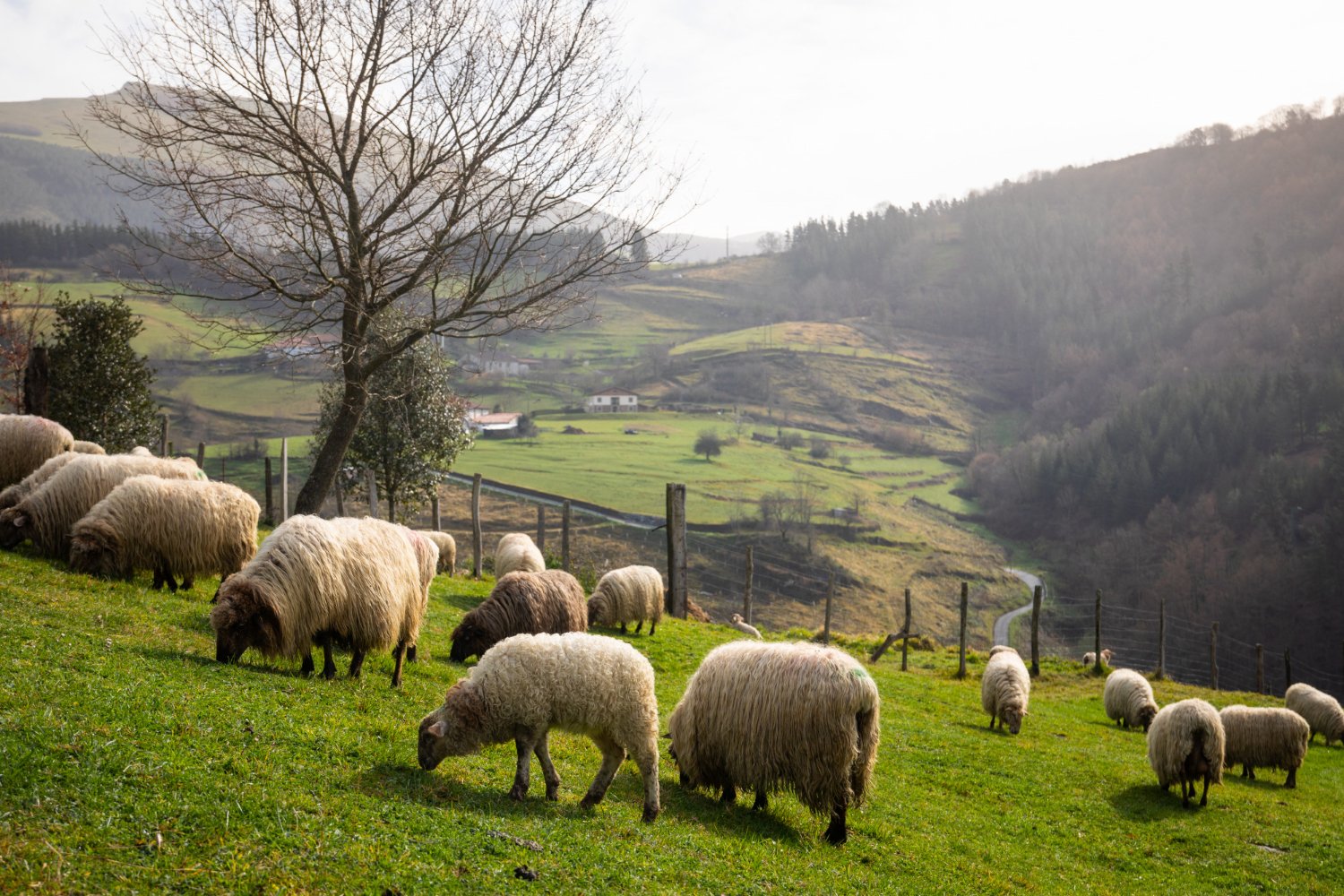
On a farm in Eneryda, in Älmhult municipality in southern Sweden, 39 sheep have disappeared. Swedish television SVT reported the story on 22 November. The owners searched for several days but found no trace. Police are treating the case as theft.
How the loss was discovered
The family had 239 sheep. When the flock was brought in from the pasture and the electronic ear tags were scanned, the reader showed only 200 animals. At first the owners didn't believe it and counted again, but the result was the same. It was clear that 39 sheep were missing.
Strange bleating at night
For several nights in a row the family heard the sheep bleating in an unusual, anxious way. They thought wild boar, which are common in the area, were frightening the animals. Only after the count did they realise the night-time noise could have had another cause.
The owner's words
"I thought it was completely crazy, terrible that 39 of them are gone," the farmer's daughter told SVT. She and her father are trying to understand what happened. For a small farm, losing almost a sixth of the flock is a heavy blow.
SVT; 22 November 2026
Not predators
The owners searched all the pastures and checked the fences. Nothing suggests the sheep broke through and wandered off. The family also thinks a wolf or lynx attack is unlikely. "If it's predators, there's always one that's injured. Animals don't just disappear," the daughter said.
The family's theory
The family suspects someone got into the pasture and took the sheep. One theory is that the animals were lured with feed and loaded into a vehicle, possibly on several occasions. But the owners have no concrete evidence of this.
What the police say
Police confirmed to SVT that the incident has been reported as theft. According to the report, someone got into the pasture by unknown means and took 39 sheep. There are no visible traces at the scene. The owner has been interviewed and the investigation continues.
Livestock theft in Europe
Thefts of sheep and other livestock happen in many European countries, especially in rural areas with large pastures. Thieves strike at night, arrive with trailers and sometimes use dogs to round up the flock quickly. Stolen animals are often slaughtered immediately and the meat sold.
Why it is dangerous
Meat from stolen animals is sold without veterinary checks. Nobody knows whether the animals were healthy or had been given medicines shortly before slaughter. Such meat can be dangerous to people. Livestock theft is therefore not only a loss for the farmer but also a threat to food safety.
Why electronic ear tags exist
In the EU and Sweden, sheep and goats must be individually identified, including with electronic ear tags. These allow veterinary authorities to trace animal movements and disease. In this case the tags helped the owners count the flock quickly and accurately and see how many animals were missing.
Ear tags against thieves
An electronic ear tag won't stop anyone stealing a sheep, but it can help find it. If a stolen animal turns up at an abattoir or market with its tag, the number can be checked against the register. That is why thieves often cut tags out. An untagged animal raises questions at a legitimate abattoir.
How to protect your flock
Farmers are advised to check their flock as often as possible, especially on remote pastures. Motion-activated cameras, locked gates and lighting near pens all help. Neighbours can agree to keep an eye on each other's pastures and report unfamiliar vehicles.
When to count
Regular counts help spot losses sooner. If a keeper counts the flock only every few weeks, thieves have time to get far away and traces disappear. Electronic readers make it possible to count sheep quickly and without mistakes and see straight away which numbers are missing.
Wild boar and sheep
Wild boar rarely attack adult sheep, but they can frighten the flock, damage fences and churn up pasture. Frightened sheep sometimes break through fences and scatter. That is why boar were the owners' first and natural explanation.
Predators in Sweden
Sweden has wolves, lynx, bears and wolverines, which sometimes attack sheep. After a predator attack there are usually dead or injured animals and tracks. Livestock keepers can receive compensation from the county administrative board for damage by protected predators, but they need evidence.
Stress in the flock
Night-time visits by strangers and vehicles are very stressful for sheep. Frightened animals eat less, and pregnant ewes may abort. If the flock has been disturbed for some time, the owners should watch the health of the remaining sheep closely over the coming weeks.
Insurance
Some insurers in Sweden cover livestock against theft. To claim, you need a police report and details of the number of animals and their tag numbers. Electronic identification and records of counts help prove how many sheep there were and how many disappeared.
If you have seen anything suspicious
If you live in the countryside and see unfamiliar vehicles with trailers near pastures at night, note the registration number and contact the police. Such sightings often help solve livestock thefts. Even a small detail can be important to an investigation.
Sheep in Sweden
Sweden has about half a million sheep, most of them in small flocks. Many people keep sheep for meat and wool and to graze natural pastures. Sheep help keep the landscape open and preserve biodiversity, which is why the state supports grazing.
What this means for Europe
Livestock theft worries farmers in many European countries, from the UK to Poland. Electronic identification, shared databases and veterinary checks at abattoirs help trace animals. But against night-time thieves on remote pastures, the most important thing is the vigilance of farmers and their neighbours.
Electronic identification in Sweden
In Sweden sheep and goats carry two ear tags, one of them electronic. Each animal's number is recorded in the Swedish Board of Agriculture's register and checked at sale, transport and slaughter. This makes it possible to trace the source of infection quickly if there is an outbreak in a flock.
The reader on the farm
Many farmers use handheld readers or race readers. Sheep walk through a narrow race and the device reads each tag. The data goes straight into an app on a phone or computer, making it easy to see which animals have gone missing, been born or died.
What happens to stolen sheep
If thieves have sold the sheep for slaughter, they are almost impossible to find. If they were sold alive, they may be traced on another farm through their tag numbers. That is why police and veterinary authorities ask farmers to check paperwork when buying sheep from unknown sellers.
Buying sheep
Only buy sheep from known flocks with paperwork and electronic ear tags. The animals' numbers should match the register. A suspiciously low price, missing tags or a seller unwilling to show you the farm are reasons to walk away.
Health of new animals
Sheep of unknown origin can bring disease into the flock: parasites, footrot and viral infections. New animals should be kept apart for a few weeks and checked by a vet. That way farmers protect their flock even if the seller is honest.
How to report a theft
Report livestock theft to the police straight away using the non-emergency number. Have the tag numbers of the missing animals ready, along with their breed, colour and markings. Also tell sheep farmers' organisations, which can pass on a warning to farmers in the region.
Cameras on the pasture
Cameras with motion sensors and a mobile connection have become cheaper. They send photos to your phone if someone appears near a pen. For remote pastures, this is one of the few ways to find out about strangers in time. A camera at the gate also helps the police if a theft does happen.
Why thefts are hard to solve
Pastures are often far from the farmhouse, nobody is there at night and tyre tracks in wet grass soon disappear. There are usually no witnesses. That is why any information from neighbours and passing drivers matters to the police.
Help from neighbours
Rural Sweden has neighbourhood watch schemes in which residents tip each other and the police off about suspicious vehicles. Farmers who take part are less often the victims of theft.
What happens next
The police investigation continues. The family hopes someone saw a suspicious vehicle or people near the pasture. If the sheep are found, their tag numbers will prove they belong to the farm in Älmhult.
When to call a vet
If, after the losses or night-time disturbance, the remaining sheep become lame, have wounds, are lethargic, stop eating or abort, call a vet. An examination will show whether the animals have been hurt and need help.
Sources
- SVT Nyheter Småland, 22 November 2026