Contents
- What happened
- Where the name comes from
- An empty stomach
- A net in its mouth
- Whose net was it?
- Not a ghost net
- A huge burden
- Chaos during the rescue
- The animal's suffering
- Criticism of the authorities
- A humpback in the Baltic
- Why whales strand
- Nets are the main threat
- How nets are removed from whales
- Baltic harbour porpoises
- Why post-mortems matter
- What a gillnet is
- If you find a whale or dolphin
- Seals on the beach
- What this means for Europe
- Lessons for rescuers
- How humpbacks feed
- How much a humpback weighs
- Signs of starvation
- Who did the post-mortem
- What is known about the timing
- Why the whale couldn't free itself
- What happens next
- When to call the experts
What happened
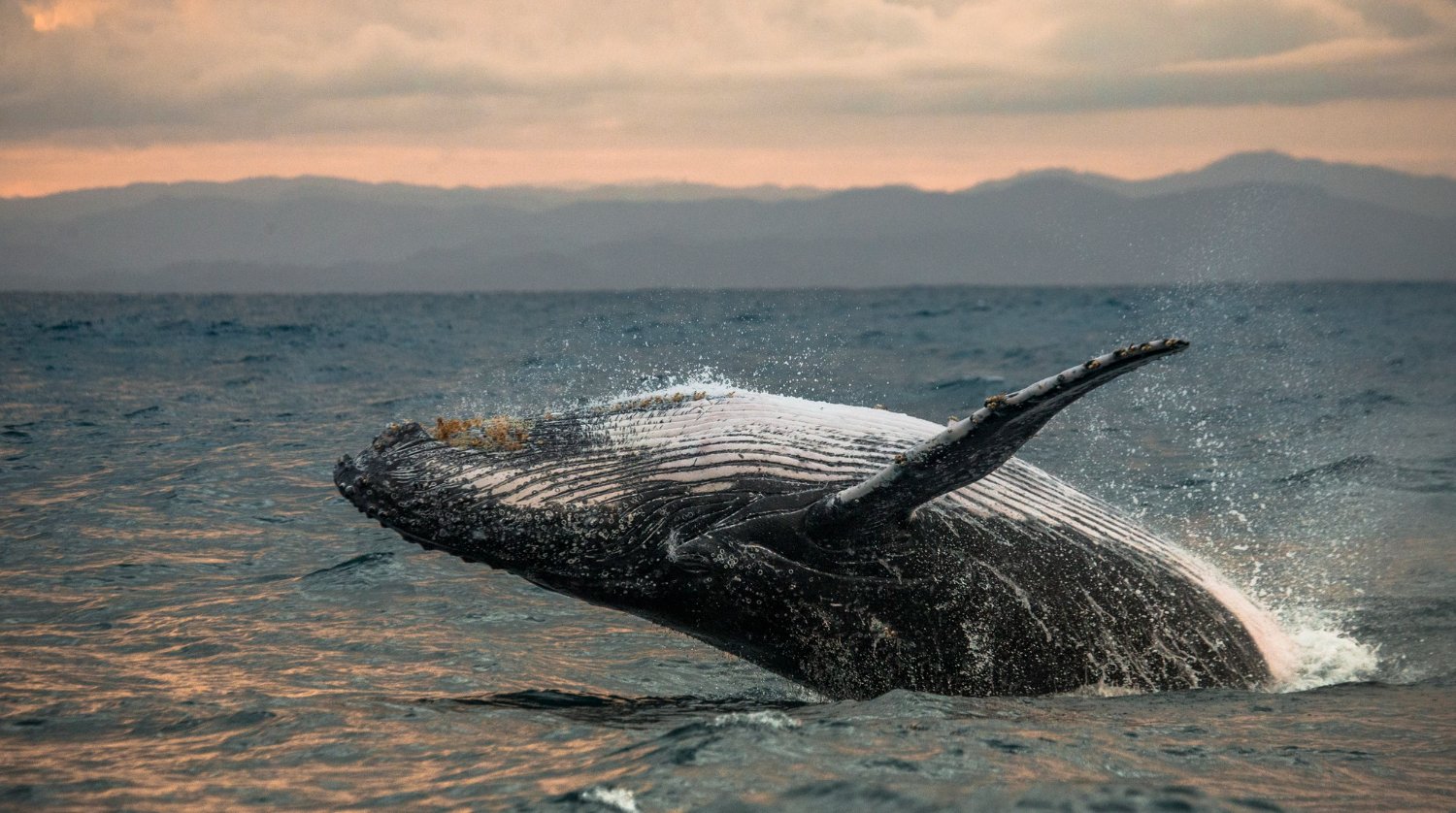
On 22 November the results of the post-mortem on Timmy the humpback whale became known. In the spring he stranded several times on Germany's Baltic coast and became famous. The Danish report shows that the whale starved to death. He was severely emaciated and eventually drowned.
Where the name comes from
The whale was named Timmy after Timmendorfer Strand in Schleswig-Holstein, where he was first seen stranded. He then repeatedly ended up in shallow water at different points along the coast. People across Germany and beyond followed his fate.
An empty stomach
Lead pathologist Tim Kåre Jensen reported that the whale's stomach was completely empty. He said the animal had not eaten for months. No other illness that could explain the death was found. The cause was starvation.
A net in its mouth
For months Timmy swam with a heavy fishing net stuck in his mouth. Net dealer Eike Peters believes it stopped the whale from feeding properly. Humpback whales feed by filtering water full of small fish and krill through their baleen, which is almost impossible with a net in the mouth.
AOL, Die Zeit; 22 November 2026
Whose net was it?
Die Zeit carried out its own investigation. Two experts examined fragments of the net and concluded it was a bottom-set gillnet. Such nets are legally used to catch cod at depths of about 50 metres between Denmark and Sweden. German Baltic fishers do not use them.
Not a ghost net
At first many people assumed the whale had become entangled in an abandoned "ghost net" drifting at sea. The experts ruled this out. Fisheries biologist Daniel Stepputtis believes Timmy got caught in a working net and tore it from its anchors.
A huge burden
Stepputtis estimates that the whale was dragging a section of net about 150 metres long and three metres wide. "And that costs an awful lot of energy," he said. The whale was using up energy swimming with the load while being unable to replace it by feeding.
Chaos during the rescue
Die Zeit also reported on the rescue operation. Under public pressure, the authorities allowed a private team to try to free the whale, even though experts warned it could do more harm than good. According to voice messages, documents and video, the team acted in a "divided, unqualified and chaotic" way.
The animal's suffering
According to the newspaper, there are signs that the whale suffered considerably during the rescue attempt. Trying to remove a net from a huge live animal in the water is dangerous for both people and the whale. It requires experience, specialist equipment and a clear plan.
Criticism of the authorities
Timmy's story drew sharp criticism from animal welfare groups. They ask why the authorities did not call in international experts in disentangling whales and why inexperienced people were allowed to act. The post-mortem report has raised these questions again.
A humpback in the Baltic
Humpback whales live in the open ocean and rarely enter the Baltic Sea. The Baltic is shallow and brackish, with little food for large whales. A whale entering the Baltic is often a sign that it is ill, weakened or disoriented.
Why whales strand
Whales strand for many reasons: illness, starvation, injuries, ship noise and navigation errors. A weakened animal struggles to stay in deeper water and is more likely to end up in the shallows. In Timmy's case, the main cause was starvation due to the net.
Nets are the main threat
Around the world, entanglement in fishing gear is one of the biggest threats to large whales. Nets and ropes wound the skin, cut into flippers and the mouth, and make swimming and feeding difficult. An animal can suffer for months before dying of starvation or infection.
How nets are removed from whales
Many countries have trained teams that free whales from nets. They work from boats, using special knives on long poles and buoys to slow the animal down. The golden rule is never to get into the water with a whale and never to act without training.
Baltic harbour porpoises
Nets are dangerous not only to whales that stray into the Baltic. The sea is home to harbour porpoises, small toothed whales. Their central Baltic population is critically endangered, and one of the main causes is drowning in gillnets. Conservationists want such nets restricted where porpoises live.
Why post-mortems matter
Post-mortems on dead marine animals help us understand what threatens their populations. Scientists find out how many animals die in nets or from noise, disease or pollution. This data is needed to make decisions about fishing and marine conservation rules.
What a gillnet is
A gillnet is a wall of fine netting set in the water. Fish swim into the mesh and get caught by their gills. Such nets are almost invisible underwater. Marine mammals and seabirds do not notice them and get entangled, especially in murky water and at night.
If you find a whale or dolphin
If you see a stranded whale, dolphin or seal on the shore, do not try to push it back into the water yourself and do not go too close. Report it to the police or the local wildlife authority – in the UK, to a marine mammal rescue hotline. Keep dogs on a lead and well away.
Seals on the beach
On Germany's Baltic coast, seals are the animals most often found. Pups sometimes rest on the beach, and that is normal. Do not touch or feed them, or the mother may abandon her pup. If a seal looks injured or ill, tell the specialists.
What this means for Europe
Timmy's case concerns all Baltic countries: Germany, Denmark, Sweden, Poland, Finland and others. The net was set between Denmark and Sweden, and the whale died off the German coast. Protecting marine animals requires shared fishing rules and joint rescue services.
Lessons for rescuers
Experts believe Timmy's story should be a lesson. Large marine animals should be rescued by trained teams with vets and a clear plan. Public pressure is understandable, but decisions on rescues should be based on expert assessment, not emotion.
How humpbacks feed
Humpbacks are baleen whales. Instead of teeth they have plates of baleen. The whale takes in a huge volume of water containing fish and krill, then pushes the water out through the baleen, keeping the food inside. With a net stuck in its mouth, filtering water and swallowing prey becomes almost impossible.
How much a humpback weighs
An adult humpback whale weighs several dozen tonnes and grows to 12–16 metres. Maintaining such a body requires a great deal of food. In summer whales build up fat in food-rich waters and live off their reserves later. But months without food exhaust even the largest animals.
Signs of starvation
In an emaciated whale the vertebrae and skull bones are clearly visible and a hollow forms behind the head. The animal becomes sluggish, stays at the surface longer and dives less well.
Who did the post-mortem
The post-mortem was carried out by Danish specialists with extensive experience of marine mammals. Denmark and Germany cooperate on examining dead whales and seals in the Baltic and North Sea. Die Zeit analysed the report on Timmy.
What is known about the timing
Exactly when the whale became entangled is unknown; the report does not establish it. But the empty stomach and severe emaciation suggest the animal spent many weeks, probably several months, with the net in its mouth before reaching the German coast.
Why the whale couldn't free itself
Whales cannot remove a net themselves: they have no hands, and their flippers and mouth only become more entangled when they try. Nylon nets are extremely strong and last for years. The longer a whale drags a net, the deeper it cuts in and the weaker the animal becomes.
What happens next
The post-mortem results and Die Zeit's investigation could prompt a rethink of how Germany responds to stranded whales. Animal welfare groups are calling for a permanent professional marine mammal rescue service on the German coast.
When to call the experts
If you find an injured or weakened marine animal on the shore – a seal, dolphin, porpoise or whale – do not try to help it yourself. Call the police or a marine mammal rescue service: they will know which vets and specialists cover your area.
Sources
- AOL (based on Die Zeit and the Danish post-mortem), 22 November 2026