Contents
- What happened
- Which collars will be banned
- Why they are being banned
- What the consultation showed
- How these collars work
- What animal charities say
- Microchipping puppies
- Why it matters
- Doggy daycare
- A shock collar story
- A daycare owner's view
- Reviewing the boarding rules
- Lucy's Law
- Rules for breeders
- What else is planned
- How Wales does it
- England and Scotland
- When it will take effect
- Alternatives to harsh collars
- Why punishment backfires
- What this means for Europe
- Who Minister Muir is
- Collars for cats
- Choosing a harness
- Training without pain
- Barking and anxiety
- Checking a boarding service
- Illegal puppies
- Buying a puppy responsibly
- What vets say
- What happens next
- When to see a vet
What happened
Northern Ireland has announced a major package of reforms to protect pets. It was presented by Andrew Muir, Minister of Agriculture, Environment and Rural Affairs. The headline measure is a ban on harsh training collars. On 22 November the BBC set out the details of the reforms.
Which collars will be banned
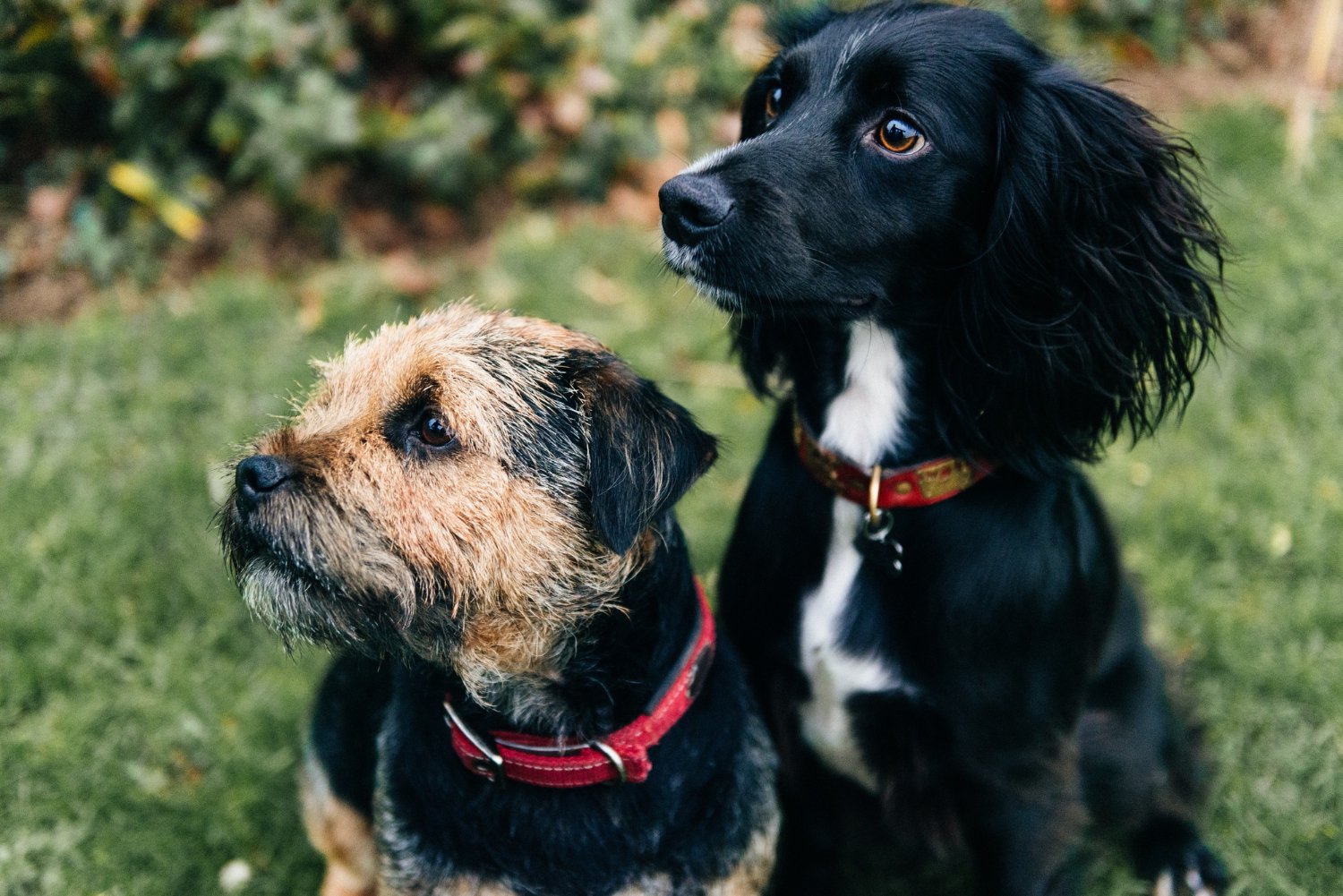
Three types of collar will be banned: handheld remote-controlled electric shock collars, prong collars with metal spikes and choke collars without a stop mechanism. The ban will apply to both dogs and cats. The department wants owners to switch to reward-based training.
Why they are being banned
The department said these collars can cause pain, fear, anxiety and stress, as well as injuries and behavioural problems. The decision was based not only on the consultation results but also on scientific and veterinary evidence, legal advice and impact assessments.
What the consultation showed
Opinion among consultation respondents was almost evenly split. 50.4% supported banning shock collars, 52.9% backed a ban on choke collars and 54.4% on prong collars. The department acknowledged that responses were closely divided but decided to go ahead.
BBC; 22 November 2026
How these collars work
An electric shock collar delivers a shock to the dog when a button on the remote is pressed. A prong collar presses metal spikes into the neck when the lead is pulled. A choke collar without a stop tightens around the neck without limit. All three work through discomfort or pain.
What animal charities say
Cats Protection strongly supports the ban. Its representative Alice Palombo said the charity is also in favour of banning other training collars, even though they are not usually used on cats.
Microchipping puppies
Another measure is compulsory microchipping of dogs by eight weeks of age. If a dog changes hands or the details change, they must be updated on the database within 21 days. If the dog's keeper is also its breeder, this must be recorded too.
Why it matters
A microchip helps reunite a lost dog with its owner and shows where it came from. Early registration makes the puppy trade more transparent. The department says this will help tackle illegal breeding and sales.
Doggy daycare
The reforms will also affect doggy daycare and home boarding. At present they operate without specific oversight. They are to be brought into the licensing regime that already applies to animal boarding establishments. The minister believes licences will give owners confidence.
A shock collar story
Siobhan McHaffie from the USPCA told the BBC about a case in which a dog came back from boarding frightened and shaking. The owner found a shock collar on it. The provider admitted she routinely used such collars to stop dogs barking.
A daycare owner's view
Sue McKee, who runs a doggy daycare in Dromore, welcomes sensible regulation. But she hopes the cost of a licence will not hit small businesses. In her view, anyone who doesn't put dogs' welfare first has no place in the industry.
Reviewing the boarding rules
The department explained that the rules for boarding are being reviewed separately from the collar consultation. It has contacted more than 150 existing boarding licence holders. The process began in early November and runs until 7 December.
Lucy's Law
The minister hopes Stormont will pass Lucy's Law in January, with the law coming into force in April 2027. It bans the sale of puppies and kittens by third parties. They will only be available from the breeder or from a rescue centre.
Rules for breeders
Proposals for dog breeding establishments will soon go out to consultation. Among the expert recommendations is a maximum of 25 adult dogs at a licensed breeding establishment. Measures to stop operators getting round this cap are also planned.
What else is planned
The department is continuing work on compulsory microchipping of cats and on regulating rescue and rehoming organisations. Before that, it will take account of feedback, including councils' concerns about whether they have the capacity to enforce the rules.
How Wales does it
In Wales electric shock collars are already banned outright. Choke and prong collars are officially described as not acceptable in the codes of practice for the welfare of dogs. Northern Ireland will go further and ban all three types in law.
England and Scotland
In Scotland none of these collars is banned, but misusing them can breach animal welfare law. England tried to ban shock collars in 2018, but all three types remain legal there.
When it will take effect
The minister wants to finish before the Assembly election in May. The department says the timing depends on the necessary procedures, but the legislation is being actively prepared so that it can be completed before the end of the mandate.
Alternatives to harsh collars
Vets and trainers recommend reward-based training: treats, praise and play. For dogs that pull on the lead, a well-fitting harness is a good option. Behavioural problems are best tackled with a trainer who uses gentle methods.
Why punishment backfires
Pain and fear may stop unwanted behaviour for a while, but they do not address its cause. The dog may become afraid of its owner, other dogs or people. Veterinary behaviourists link harsh methods with increased aggression and anxiety.
What this means for Europe
Electric shock collars are already banned in many European countries, including Germany, Austria, Denmark and Sweden. Northern Ireland is joining this group. Owners travelling with dogs should check the rules in their destination country in advance.
Who Minister Muir is
Andrew Muir heads Northern Ireland's Department of Agriculture, Environment and Rural Affairs. Animal welfare is one of his responsibilities. The reform package is part of the department's long-term animal welfare programme, which has been in preparation for several years.
Collars for cats
Cats are rarely trained with collars, but the ban will cover them too. Cat charities have long argued that cats have no need for any collar that causes pain. For cats that go outdoors, vets recommend safe collars with a quick-release clasp.
Choosing a harness
A good harness does not press on the neck or restrict the dog's front legs. It should fit so that two fingers fit between the straps and the body. For dogs that pull hard, there are harnesses with a chest ring that gently turn the dog back towards its owner.
Training without pain
Trainers who use gentle methods teach the dog what is wanted rather than punishing mistakes. Desired behaviour is reinforced with treats and praise. It takes more time and patience, but the dog learns willingly and does not become afraid of its owner.
Barking and anxiety
Many owners use shock collars to stop barking. But barking is a signal: the dog is bored, frightened or anxious. If you silence the signal with pain, the cause remains. A vet or behaviourist can help find out why the dog barks and solve the problem.
Checking a boarding service
Until licences are in place, owners should check boarding services themselves before leaving their dog. Ask what methods the staff use, how many dogs are walked together and whether a vet is on call. Ask to see the premises. A good provider will be happy to answer.
Illegal puppies
Northern Ireland is often described as a gateway for the illegal puppy trade into Great Britain. Puppies are brought across the border and sold in England and Scotland. Lucy's Law and early microchipping should make this trade harder and protect buyers from sick puppies.
Buying a puppy responsibly
Buy from a breeder who lets you see the mother and where the puppies live. Check the microchip and the veterinary paperwork. Be wary if the seller suggests meeting in a car park or delivering the puppy to your home. Never take a puppy younger than eight weeks.
What vets say
British veterinary organisations have long opposed electric shock collars. They believe such devices undermine trust between dog and owner and can lead to long-term behavioural problems. Vets see the ban in Northern Ireland as a step that is long overdue.
What happens next
Once the legislation is passed, owners will be given time to stop using banned collars. The department has promised to publish details on timescales and penalties later. Animal charities say everything will depend on the detail.
When to see a vet
If your dog has sores or redness on its neck after wearing a collar, coughs, wheezes, is afraid to go for walks or has become aggressive, take it to a vet. The vet will check its neck and throat and can recommend a behaviourist.
Sources
- BBC, 22 November 2026
- Institute of Licensing, 22 November 2026