Contents
- What happened
- The sentence
- A puppy farm
- Life in a caravan
- Dangerous bacteria
- Why the dogs died
- Fights and injuries
- The chihuahua case
- The defendant's position
- Her version of events
- Deaths acknowledged
- What happens on appeal
- Penalties in Czechia
- What a Biewer terrier is
- What a puppy farm is
- How to spot an illegal breeder
- Microchip and registration
- The pet passport
- The puppy's age
- Signs of a sick puppy
- If you see cruelty
- What this means for Europe
- Why the court banned dogs
- What happens to the dogs
- Psychological trauma
- How to help dogs that have suffered
- Why the case matters
- Try a rescue centre
- What happens next
- When to see a vet
What happened
On 21 November the Czech newspaper Blesk reported that a high-profile Prague dog cruelty case will go to the appeal court. The woman sentenced in the summer to five years in prison by the Prague Municipal Court has appealed. This emerged from the court information system InfoSoud.
The sentence
In July the Prague Municipal Court found the 42-year-old woman guilty of keeping animals in unsuitable conditions and of animal cruelty, offences that carry up to eight years in prison in Czechia. The court imposed five years and banned her from keeping dogs for ten years.
A puppy farm
According to the prosecution, the woman bred dogs for sale at her home. Prosecutor Jana Murínová told the court that she focused mainly on Biewer terriers, a small companion breed similar to the Yorkshire terrier. The puppies were sold to buyers.
Life in a caravan
The dogs lived in a caravan in very cramped conditions. According to the prosecutor, they could go out into a run, but nobody walked them. They lacked space, food and care. In such conditions dogs soon fall ill.
Blesk.cz; 21 November 2026
Dangerous bacteria
According to the prosecution, the filthy conditions allowed bacteria to take hold – the kind typically found where there is a lot of faeces and urine, in contaminated water and in food from unwashed bowls. They attack the internal organs and cause pneumonia, inflammation, vomiting and diarrhoea.
Why the dogs died
Dogs weakened by infection collapsed and died from kidney, lung or heart failure. Several animals died this way. According to the prosecution, this was not chance illness but the result of the conditions they were kept in.
Fights and injuries
Bitches and males lived together. Dominant dogs attacked the others and dogs suffered serious injuries in fights. According to the prosecutor, the woman did nothing to treat these injuries, and more dogs died from their wounds.
The chihuahua case
The prosecutor also gave an example of cruelty in breeding. A female chihuahua's tail was fixed to her belly with a rubber band to make mating easier. It was left in place for weeks, cutting into her body and causing wounds and prolonged pain.
The defendant's position
The woman has denied the charges from the start. In court she said she loves animals and completely rejects the accusations of inhumane treatment. She said she first kept dogs for pleasure, and for the last three years had held a licence to breed and sell them.
Her version of events
The convicted woman says she treated the dogs normally, checked their environment and disinfected everything. According to her, the dogs had beds and could go into the garden, and her mother walked them. She said she or her mother always took any serious injuries to a vet.
Deaths acknowledged
The woman admitted that several dogs died, but in her version not because of mistreatment but mainly because the animals attacked each other out of rivalry. She also said she bathed the dogs, fed them well and washed their bowls, and rejected the accusation of deceiving buyers.
What happens on appeal
The appeal court will consider whether the first-instance court assessed the evidence correctly and imposed the right sentence. It can uphold, reduce or increase the sentence or send the case back for a retrial. Until the verdict is final, the woman is presumed innocent.
Penalties in Czechia
Under the Czech Criminal Code, cruelty to animals and keeping animals in unsuitable conditions can be punished with imprisonment. The harshest sentences are for cases involving the death or severe suffering of many animals. The court can also ban an offender from keeping animals.
What a Biewer terrier is
The Biewer terrier is a small dog weighing a few kilograms, with a long, silky tricolour coat. The breed originated in Germany in the 1980s. They are affectionate companions but need regular coat care, walks and company. Fashionable miniature breeds are particularly often bred on puppy farms.
What a puppy farm is
A puppy farm is a place where dogs are bred for profit with no regard for their health. Bitches give birth too often, puppies are taken from their mother too early, and vaccinations and parasite treatments are skipped. Such puppies often suffer from parvovirus, distemper and parasites.
How to spot an illegal breeder
Be wary if the seller will not show you the puppies' mother or where they live, suggests meeting in a car park, sells several breeds at once or sells too cheaply. An illegal breeder often provides no contract or veterinary documents.
Microchip and registration
In Czechia all dogs have had to be microchipped since 2020 and registered in the central dog register since July 2026. A puppy must be chipped and registered before it is sold. In the UK, puppies must also be microchipped by eight weeks of age. Before buying, ask for the chip number and check it.
The pet passport
A puppy should have a passport or a record of vaccinations and parasite treatments. Check that the chip number on the documents matches the dog's chip. A puppy without papers is a reason to walk away, however sorry you feel for it.
The puppy's age
A puppy should not leave its mother before eight weeks. Early separation harms health and behaviour: such puppies fall ill more often and get on less well with other dogs. Illegal sellers often let puppies go too early because it is cheaper.
Signs of a sick puppy
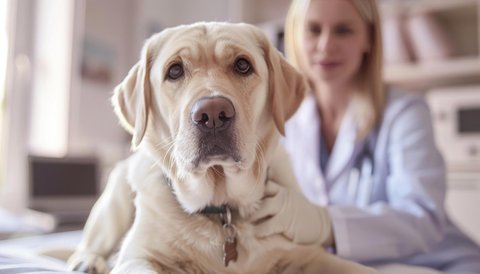
A healthy puppy is active and curious, with clear eyes and nose, a shiny coat and firm stools. Be concerned if a puppy is lethargic or thin, has a discharge from the eyes or nose, coughs, has diarrhoea or a swollen belly. Take the puppy to a vet straight after buying it.
If you see cruelty
If you suspect neighbours or acquaintances are keeping dogs in terrible conditions, report it. In Czechia that means the regional veterinary administration, the police or the municipality; in the UK, the RSPCA or the police. Photos and videos help prove what is happening.
What this means for Europe
Puppy farms are a problem across the European Union. Puppies from them are sold online and transported across borders. The EU is preparing common rules for breeding and selling dogs and cats, including compulsory microchipping, registration and requirements for breeders.
Why the court banned dogs
A ban on keeping animals is a separate penalty that a court can impose alongside prison. It aims to stop the offender acquiring animals again and repeating the cruelty. Breaching the ban is itself a criminal offence.
What happens to the dogs
When dogs are seized from an owner because of cruelty, they are usually handed to shelters or foster carers. Vets treat infections and injuries, and the animals are neutered and vaccinated. Many dogs from puppy farms later find new homes, although they need time to learn to trust people.
Psychological trauma
Dogs from puppy farms are often afraid of people, loud noises and unfamiliar places. They do not know a lead, the street or stairs. New owners need patience. A dog behaviourist can help by advising how to gradually get the dog used to everyday life.
How to help dogs that have suffered
You can help by adopting a dog from a shelter, fostering or supporting a shelter with money and food. Shelters often publicise dogs that have come to them after being rescued from bad conditions. These dogs especially need a calm home.
Why the case matters
High-profile trials of puppy farm owners show that cruelty to animals in Czechia can lead to a real prison sentence, not just a fine. Animal welfare campaigners believe such sentences deter people who breed dogs for quick money without regard for their health.
Try a rescue centre
If you want a dog, look at a rescue centre first. There are many puppies and adult dogs there, including small breeds. They have already been checked by a vet, vaccinated and microchipped.
What happens next
No date has yet been set for the appeal hearing. Until a decision is made the verdict is not final, but if the ban on keeping dogs is upheld, it will apply for ten years. Animal welfare campaigners are following the case and hope the sentence will stay tough.
When to see a vet
If you have bought a puppy and it becomes lethargic, refuses food, vomits, has diarrhoea, coughs or has a discharge from the eyes and nose, take it to a vet immediately. In puppies from poor conditions illness develops quickly, and early help often saves lives.
Sources
- Blesk.cz, 21 November 2026