Contents
- What happened
- Who looks after the colony
- 14 patients
- Bills mounting up
- What panleukopenia is
- Signs of the disease
- Why it is so dangerous
- A hardy virus
- What the carers are doing
- How serum helps
- Bleach against the virus
- Vaccination: the main protection
- Pet cats are at risk too
- Colonies under Spanish law
- Neutering as prevention
- Why outbreaks hit colonies
- If a sick cat has lived in your home
- Is it dangerous to people and dogs?
- How to help the colony
- What this means for Europe
- How it is diagnosed
- How it is treated
- How long the illness lasts
- Pregnant cats
- Kittens in colonies
- What neighbours should do
- Vaccinating street cats
- Cats from shelters
- What happens next
- When to see a vet
What happened
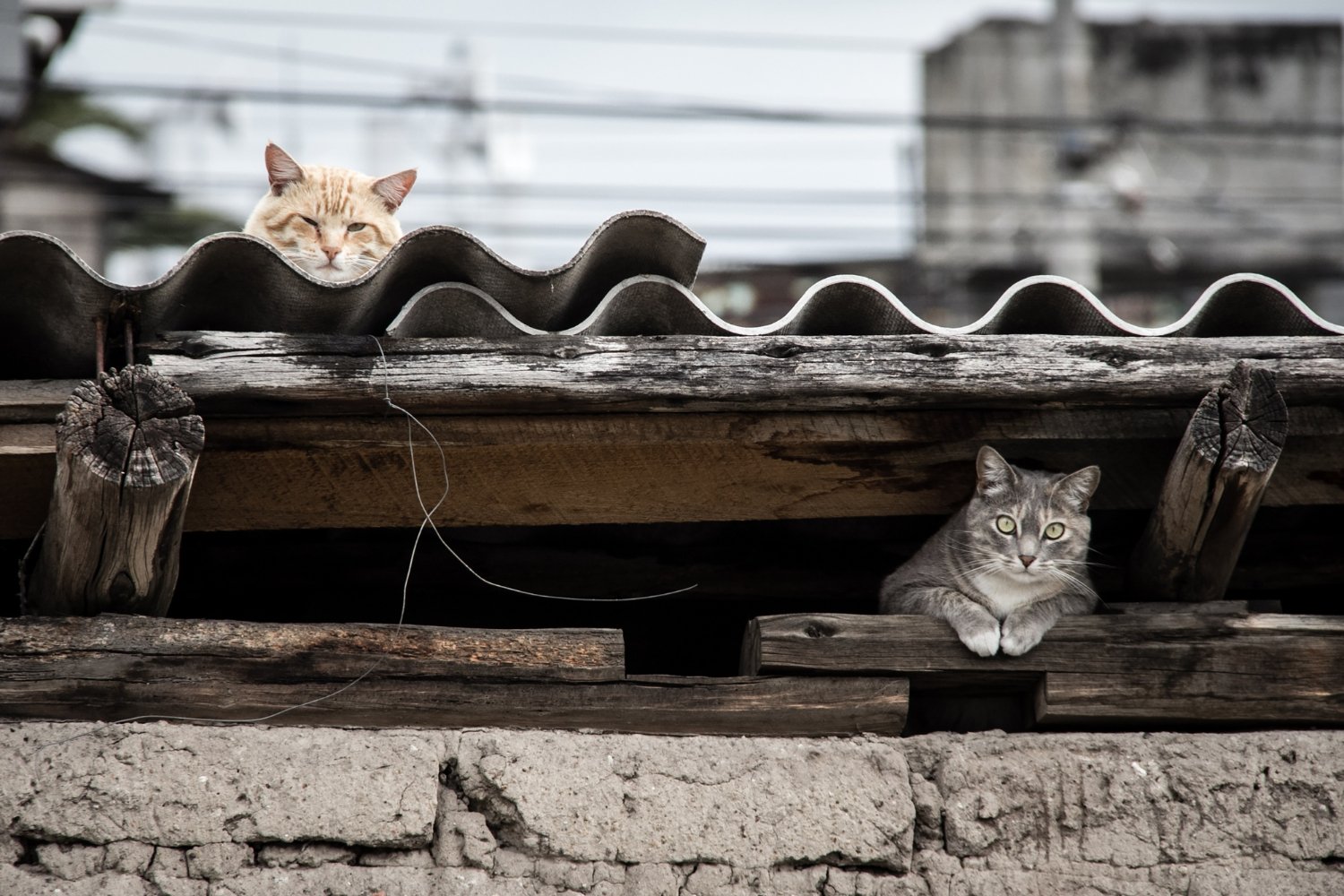
In Manacor, Mallorca's second-largest town, panleukopenia has broken out in a colony of stray cats. The Mallorca daily Última Hora reported it on 21 November. Five cats have already died and nine more have been taken to vet clinics on the island. The colony has about 40 animals in all.
Who looks after the colony
For two years the colony has been cared for by two private carers, a young couple. They do not belong to any association and pay all the costs themselves. In that time they have taken more than 50 cats off the street and paid for more than 30 neuterings. Their aim was to neuter and vaccinate the whole colony.
14 patients
In total, 14 cats needed hospital treatment. Five of them died and nine are still in clinics or have already been discharged. The cats are being treated at three clinics on Mallorca, in Palma, Son Servera and Manacor. Each cat in hospital costs between €200 and €1,200.
Bills mounting up
On this outbreak alone the carers have already spent more than €5,000. Before it, they had put more than €6,100 into the colony in vet bills. "We are two young people who have put all our savings into saving them," they say. The carers have launched a fundraiser and publish all the invoices.
Última Hora; 21 November 2026
What panleukopenia is
Panleukopenia is a viral disease of cats, also known as feline infectious enteritis or feline distemper. It is caused by feline parvovirus, which attacks the gut, bone marrow and immune system. The white blood cell count drops sharply, leaving the cat defenceless against infection.
Signs of the disease
The disease starts with lethargy, loss of appetite and a high temperature. Then vomiting and severe diarrhoea follow, often with blood. The cat quickly becomes dehydrated and weak. Some cats sit over the water bowl but don't drink. In kittens the disease can be fatal within one or two days.
Why it is so dangerous
Without treatment, most cats with panleukopenia die, especially kittens. Even with intensive care not all survive. There is no specific drug that kills the virus. Vets support the body with drips, anti-sickness medication and antibiotics against secondary infections.
A hardy virus
Parvovirus is extremely resistant. According to the carers, it can survive in the environment for up to a year. Ordinary cleaning products do not destroy it. The virus is carried on bowls, bedding, hands, shoes and even car tyres. That is why the disease can reach cats that never go outdoors.
What the carers are doing
The carers have set aside a separate area for cats with symptoms, carry out rapid tests every day at the slightest suspicion, and treat feeding stations with bleach. The cats are also given serum containing ready-made antibodies against the virus. Their supply of this serum is limited.
How serum helps
Serum contains antibodies against parvovirus. It can help cats that have recently been in contact with sick animals but are not yet ill. But the protection only lasts a few weeks. Serum does not replace vaccination and does not cure animals that are already seriously ill.
Bleach against the virus
Feline parvovirus is destroyed by bleach solutions and by some specialist veterinary disinfectants. Surfaces must be cleaned of dirt and organic matter before treatment. The colony's carers regularly disinfect the feeding stations and the places where the cats gather.
Vaccination: the main protection
Vaccination is the most reliable protection against panleukopenia. Kittens are vaccinated several times from 8–9 weeks of age, followed by a booster. Adult cats are boosted on a schedule set by the vet. The panleukopenia vaccine is part of the core vaccinations for every cat.
Pet cats are at risk too
The carers warn that cats living indoors are also at risk. An owner can bring the virus in on their shoes. If your cat's vaccinations are not up to date, now is the time to book a vet appointment, especially if you live in or around Manacor.
Colonies under Spanish law
Under Spain's 2023 animal welfare law, local councils are responsible for cat colonies: they must organise trapping, neutering, vaccination and returning the cats to their site. In practice this work is often done by volunteers and private carers at their own expense.
Neutering as prevention
Neutering reduces the number of new kittens in a colony. And it is kittens that most often fall victim to panleukopenia, because they do not yet have immunity. The fewer new births, the fewer animals susceptible to the virus and the lower the risk of outbreaks.
Why outbreaks hit colonies
In a colony, cats live close together, eat from shared bowls and use the same spots. If even one cat is infected, the virus spreads fast. Many street cats are not vaccinated. So one sick cat can infect almost the whole colony.
If a sick cat has lived in your home
If a cat in your home has died of or recovered from panleukopenia, do not bring unvaccinated kittens into the house for a long time. The home must be thoroughly cleaned and treated with a suitable disinfectant. Talk to your vet before getting a new pet.
Is it dangerous to people and dogs?
Panleukopenia is not dangerous to people. Dogs get their own parvovirus, but some variants of canine parvovirus can infect cats. That is why both dogs and cats should be vaccinated, especially if they live together.
How to help the colony
The carers invite anyone who wants to help to support the fundraiser for treatment. People can also help with food, disinfectant and temporary fostering of recovered cats. Many shelters on the island also accept help for street colonies.
What this means for Europe
Panleukopenia occurs across Europe, especially in stray cat colonies and shelters. Outbreaks usually happen in the warmer months when many kittens are born, but they are not unusual in autumn either. The rule for owners is the same everywhere: regular vaccination.
How it is diagnosed
A vet suspects panleukopenia from the signs and from a blood test showing a sharply reduced white cell count. Rapid tests for the virus in faeces and laboratory tests help confirm the diagnosis. The earlier the diagnosis, the better the chance of saving the cat.
How it is treated
Treatment is mostly supportive. The cat is put on a drip to replace lost fluid and given anti-sickness drugs, antibiotics against bacterial complications, and tube feeding if it won't eat. A sick cat is kept in isolation.
How long the illness lasts
The acute phase usually lasts about a week. If a cat survives the first five to seven days, its chances of recovery rise markedly. A cat that has recovered usually has lasting immunity, but still sheds the virus for a while and must be kept away from unvaccinated animals.
Pregnant cats
Panleukopenia is especially dangerous for pregnant cats. The virus can cause miscarriage or brain damage in the kittens. Such kittens are born with poor coordination: they wobble and fall over when walking. That is why it is best to vaccinate cats before pregnancy.
Kittens in colonies
Kittens born in a street colony receive antibodies from their mother's milk if she has been vaccinated or has had the disease. But this protection gradually fades. At a few weeks old the kittens become vulnerable, and that is when outbreaks are most severe.
What neighbours should do
People who feed street cats around Manacor should wash their hands and change their shoes before going near their own cats. It is best not to bring bowls used for street cats into the house. If you notice sick cats in the area, tell the carers or a local vet clinic.
Vaccinating street cats
Street cats can be vaccinated when they are trapped for neutering. Many trap-neuter-return programmes include vaccination. This protects not only the colony but also pet cats in the neighbourhood, because less virus circulates in the area.
Cats from shelters
If you take in a cat from a shelter or the street, take it to a vet and have it vaccinated first. Until then, keep it apart from other cats.
What happens next
The carers continue to monitor the cats in the clinics and in the colony. They want to vaccinate all the remaining animals as soon as possible. The outbreak can only be declared over if there are no new cases for several weeks.
When to see a vet
If your cat is lethargic, not eating, vomiting, has diarrhoea or a high temperature, or sits over its water without drinking, take it to a vet urgently. With panleukopenia every hour counts, and an early drip can save a life, especially a kitten's.
Sources
- Última Hora, 21 November 2026