Contents
- What happened
- Remote learning because of elephants
- How many elephants are nearby
- Damaged homes and fields
- A joint task force
- Why elephants come near people
- The Sumatran elephant in danger
- Elephants and crops
- Why encounters are dangerous
- How elephants are driven away
- Corridors for elephants
- The role of vets
- Snares and poison
- Why they cannot simply be moved
- Elephants and children
- How to behave if you meet an elephant
- Floods and animals
- Tourism and elephants
- How much elephants eat
- Compensation for farmers
- What happens next
- Indonesia and other stories
- What this means for Europe
- When to see a vet
What happened
On 8 November 2026 the Singapore newspaper The Straits Times reported an unusual reason for school closures in Indonesia. In Bener Meriah regency in Aceh province, in northern Sumatra, 11 schools in six villages have switched to remote learning. The reason is wild elephants that kept coming into the villages all week. The authorities decided not to risk the lives of children and teachers.
Remote learning because of elephants
The temporary measure took effect on 5 November. It will stay in place until it is considered safe for pupils and teachers to return to the classroom. In rural Sumatra, where not every child has a good internet connection, it is not an easy decision. But meeting an elephant on the way to school could end in tragedy.
How many elephants are nearby
Since October at least four wild elephants have been seen near one of the villages. In total about 50 wild Sumatran elephants are estimated to live around Bener Meriah. That is a sizeable group for one area, given that the species is critically endangered. Elephants move in small herds and cover long distances.
Damaged homes and fields
The elephants damaged homes and crops. At least 15 residents had to take shelter. For rural families, losing a harvest means losing income for months. Local people are urging the authorities to act more firmly: they say the conflict is disrupting farming and daily life.
The Straits Times; 8 November 2026
A joint task force
The regency authorities plan to set up a multi-agency task force. It will include staff from the BKSDA natural resources conservation agency, WWF, the military and the police. Its job is to move the elephants away from the villages and protect people without harming the animals, which are protected by law.
Why elephants come near people
Officials point to two main causes: habitat loss and floods. Sumatra's forests have been cleared for decades for oil palm plantations, pulpwood and farmland. Elephants lose their migration routes and food sources. Floods wash away familiar trails and force the animals to find new routes, which often run through villages.
The Sumatran elephant in danger
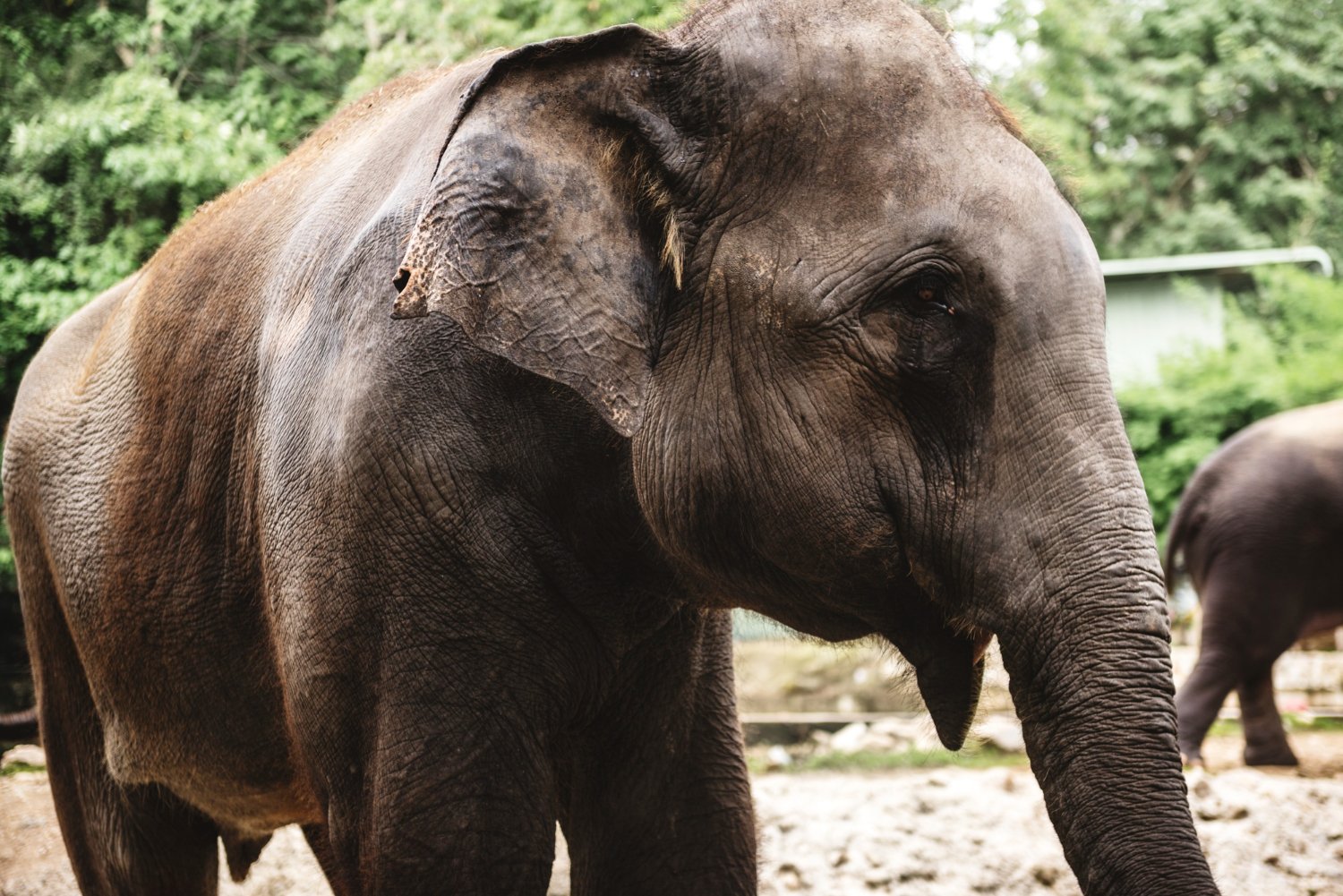
The Sumatran elephant is a subspecies of the Asian elephant that lives only on Sumatra. The International Union for Conservation of Nature (IUCN) lists it as critically endangered. Numbers are falling because of forest loss, poaching for ivory and conflict with people, in which elephants are poisoned or caught in snares.
Elephants and crops
For elephants, fields of rice, bananas, maize and sugar cane are easy, nutritious food. One herd can destroy in a night crops a family has grown for months. So farmers often see elephants as a threat rather than a rare species to be protected. That is where the tension comes from.
Why encounters are dangerous
The elephant is the largest land animal. A frightened elephant, or one protecting a calf, can attack a person. In Asia such encounters cost the lives of people and elephants every year. It is especially dangerous in the dark, or when inexperienced people try to drive elephants off with noise or fire: the animal may charge straight at them.
How elephants are driven away
In Indonesia and elsewhere in Asia, several approaches help people and elephants coexist:
- Patrols with trained elephants that help push wild ones away.
- GPS collars on herd leaders, so people know in advance where a group is heading.
- Electric fences around villages and fields.
- “Chilli fences”: ropes coated with hot chilli, whose smell repels elephants.
- Early warnings to residents by phone and loudspeaker.
Corridors for elephants
The long-term solution is to keep and restore forest corridors that allow elephants to move between patches of forest without entering villages. That requires agreements between the authorities, plantation companies and local communities. It is a difficult and expensive path, but without it conflicts will keep recurring.
The role of vets
Vets working for conservation agencies play an important part in such stories. They sedate elephants to fit GPS collars, treat wounds from snares and gunshots, and rescue calves separated from their herd. Working with a wild elephant takes great experience: drug doses are calculated for an animal weighing several tonnes.
Snares and poison
One of the main threats to elephants on Sumatra is snares set for other animals, and poisoning. Elephants caught in a wire noose suffer severe leg wounds and often die without treatment. Poisoned fruit in fields can kill whole elephant families. Each such case is investigated by conservation officers and the police.
Why they cannot simply be moved
Moving elephants to another forest sounds like an easy answer, but in practice it rarely works. Elephants remember their home ranges well and often come back. Other elephants already live in the new forest, and there may not be enough room. Moving a wild elephant is also a complex and risky operation for the animal.
Elephants and children
The school closures show how seriously the authorities take the threat. Children walk to school along rural roads, often early in the morning or at dusk, when elephants are particularly active. Meeting a herd round a bend is dangerous for a child: they may panic and run, which provokes the elephant. So remote learning is a sensible temporary measure.
How to behave if you meet an elephant
The advice for residents and tourists in elephant areas is the same everywhere:
- Do not approach an elephant or try to photograph it up close.
- Do not stand in a herd's path or come between a calf and its mother.
- Move away slowly and calmly without turning your back.
- Do not throw stones or shout at the elephant.
- Report elephants to the local authorities or the conservation agency.
Floods and animals
Floods in Indonesia have become more severe and more frequent in recent years. They affect not only people but wildlife: they wash away burrows and nests and destroy food. Large animals are forced to leave their usual areas, which often ends with them coming into contact with people. Aceh is one of the regions hit particularly hard by floods.
Tourism and elephants
Sumatra has centres where elephants are used for patrols and ecotourism. They give local people an income and show that elephants can be worth more alive. But animal welfare groups point to the wellbeing of these elephants: riding and cramped enclosures are criticised. The best centres focus on watching elephants without riding them.
How much elephants eat
An adult Asian elephant eats 150 to 200 kilograms of plants a day and drinks tens of litres of water. To find enough food, a herd is always on the move. When food runs short in the forest and juicy crops grow nearby, elephants inevitably come into the fields. That is how forest loss quickly turns into conflict with people.
Compensation for farmers
In several Asian countries farmers receive compensation for crops destroyed by elephants. This reduces anger towards the animals and cuts the number of poisonings and snares. But payments are often late or do not cover the real damage. Conservation groups believe fair and fast compensation is one of the key ways to protect rare elephants.
What happens next
For now schools in Bener Meriah are teaching remotely while the authorities assemble the task force. Its job is to steer the elephants away from the villages and prevent new visits. Unless the habitat problem is solved, the conflict will recur every season, and the next school closure is only a matter of time.
Indonesia and other stories
This is not the first story from Indonesia in our wildlife news. We recently reported on rescued orangutans being returned to the forest. All these stories share one theme: Indonesia's forests are shrinking, and animals increasingly have to share space with people, which leads to conflict and tragedy.
What this means for Europe
Europeans affect Sumatra's forests more than they might think: palm oil and paper from Indonesia end up in European shops. The EU's new regulation on deforestation-free products requires companies to show that goods are not linked to forest destruction. Stories like the school closures caused by elephants show why these rules matter.
When to see a vet
For travellers who go to Asia with animals or work at elephant centres, it is important to remember diseases shared by people and animals. See a doctor, and a vet for your animals, after any bite or scratch from an animal. If your dog has been in contact with wild animals while travelling, take it to a vet and check its rabies vaccination.
Sources
- The Straits Times, 8 November 2026