Contents
- What happened
- How the hat got into the enclosure
- What the vets did
- She could not be saved
- Why Fiona was famous
- A social media star
- Saying goodbye
- Why a hat is dangerous
- A hippo's digestion
- Why not surgery
- The zoo's request
- What most often ends up in enclosures
- Don't feed, don't throw
- What if your dog swallows something
- Cats and string
- Signs of a blockage
- What not to do
- How the practice can help
- Christmas and the holidays
- Safe toys
- Zoo veterinary medicine
- Training hippos
- What this means for Europe
- Hippos in the wild
- How Fiona was nursed
- When an object passes by itself
- The cost of delay
- Not just Fiona
- What happens next
- When to see a vet
What happened
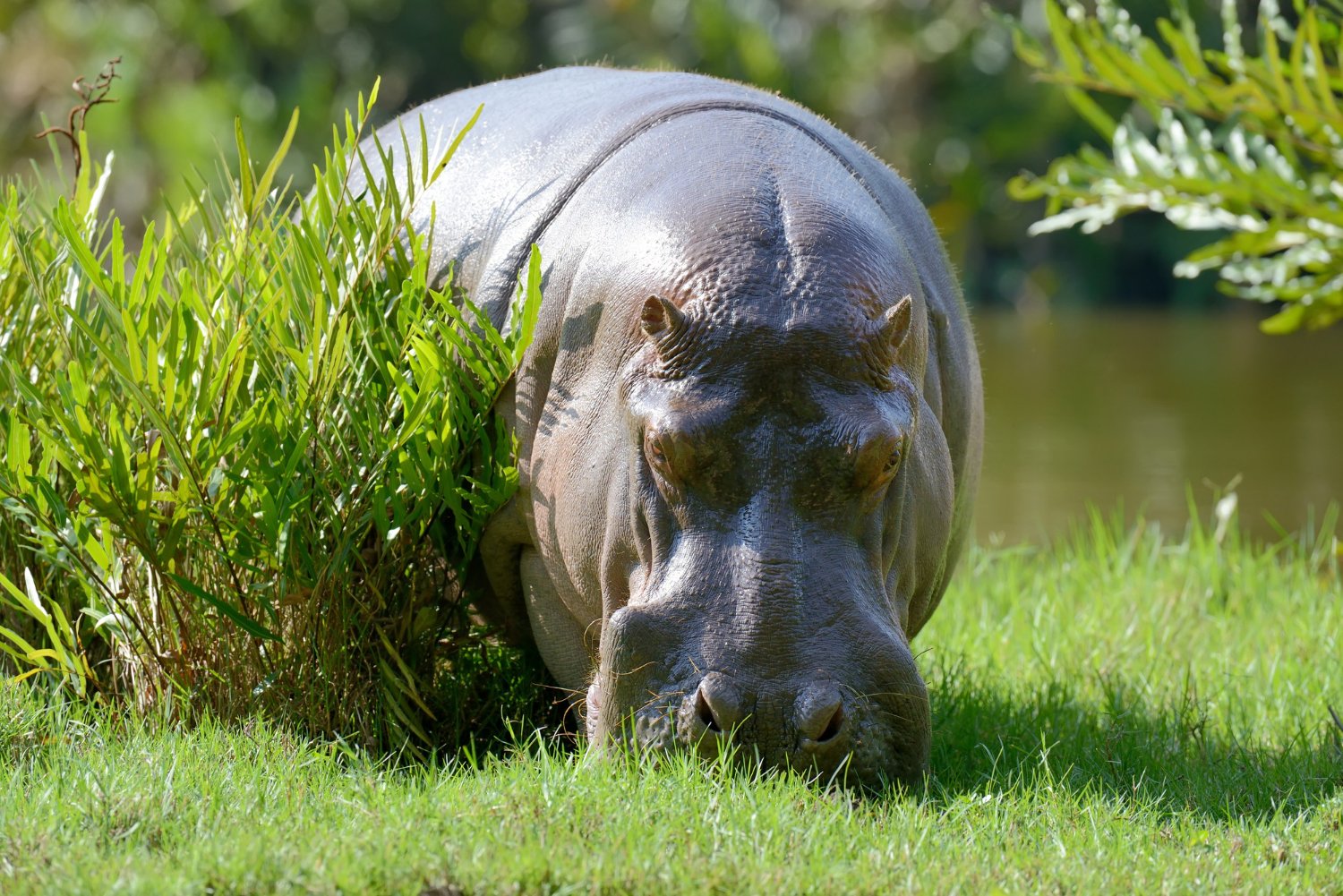
On 16 November Cincinnati Zoo in the US state of Ohio announced that Fiona the hippo had swallowed a knitted hat and was being monitored by vets. For several days vets tried to help the hat pass naturally, but on 19 November the zoo announced that Fiona could not be saved. She was nine years old. The news spread around the world in no time: Fiona was one of the best-known animals in any US zoo, with millions of fans online.
How the hat got into the enclosure
According to zoo spokesperson Michelle Curley, a visitor threw the hat in the air. A ceiling fan caught it and blew it through a small gap above the viewing windows straight into the room where Fiona lived. “We probably couldn't do that again if we tried,” Curley said, stressing that it was an accident.
What the vets did
Vets and zoo staff tried to help the hat pass naturally. On Sunday the hippo was given fluids and an enema. On Tuesday Fiona was sedated again for an examination: ultrasound showed her intestines were still trying to push the hat through, and a scope almost three metres long allowed vets to look inside her gut. On Wednesday the zoo said it was using a vibration plate from a horse farm to stimulate her digestive tract. Vets were also monitoring her hydration.
She could not be saved
“It is with extreme sadness that we share the devastating news that Fiona did not make it, despite multiple attempts by our amazing vets and keeper team to help her through what ended up being a medical emergency,” the zoo wrote on social media. According to the zoo, the hat could not be moved. On her last day the team gave Fiona supportive care, but she did not recover. As early as 18 November the local newspaper, the Cincinnati Enquirer, had reported that surgery was not being considered.
The Guardian; 19 November 2026
Why Fiona was famous
Fiona was born in January 2017, six weeks premature. She weighed just 13 kilograms, 11 kilograms less than the lowest known birth weight of a newborn hippo. At first she couldn't stand, and zoo staff nursed her. The whole world followed her fight for life.
A social media star
Videos of Fiona racked up millions of views, books were written about her, her image appeared on clothing, and a beer and an ice cream flavour were named after her. One couple even got engaged by her enclosure, and Fiona appeared in the photo swimming underwater. That's why the news of her illness and death touched so many people.
Saying goodbye
Within an hour of the announcement, flowers and cards began to appear at the hippo statue by the zoo entrance. “Forever our Fiona,” read one of them. Cincinnati's mayor called Fiona a symbol of the city's perseverance and joy, and Ohio's governor called her a true icon. San Antonio Zoo, home of Timothy the hippo, with whom Fiona had a long-distance “romance” on social media, offered its heartfelt condolences.
Why a hat is dangerous
For a large animal, a knitted hat isn't much. But fabric and yarn can't be digested and can get stuck in the stomach or intestines, causing a blockage. Long threads are especially dangerous, as they can make the intestines bunch up like a concertina. That's why vets try to make sure an object passes quickly and in one piece.
A hippo's digestion
Hippos are herbivores with a long, multi-chambered stomach. They eat dozens of kilograms of grass in a night. Their gut is adapted to coarse plant food, and a small soft object often passes without problems. But the risk of blockage remains, so monitoring is essential.
Why not surgery
Abdominal surgery on an adult hippo weighing more than a tonne is too risky, so vets didn't operate. It would require deep anaesthesia, which is dangerous in itself for such large animals. Thick skin, enormous weight and the way they breathe make surgery almost impossible. That's why zoo vets try every other option first, as they did with Fiona.
The zoo's request
The zoo reminded visitors to take care near enclosures and keep hold of their belongings. “If something falls into a habitat, please tell a member of zoo staff straight away,” the statement said. Staff can safely retrieve an object before an animal eats it.
What most often ends up in enclosures
In zoos around the world, animals have swallowed coins, bottles, plastic bags, toys, sunglasses and phones. Some cases have ended in the animal's death. Coins thrown into ponds for luck are particularly dangerous, as the metal can poison animals.
Don't feed, don't throw
The golden rule at the zoo is not to throw anything into enclosures and not to feed the animals. Even harmless-looking food can upset their digestion or diet. And if something falls in by accident, call a member of staff rather than trying to retrieve it yourself.
What if your dog swallows something
Pets swallow foreign objects far more often than hippos. Dogs swallow socks, toys, bones, fruit stones, stones and corks. Puppies and young dogs particularly like to taste everything. It's one of the most common reasons for emergency surgery in veterinary practices.
Cats and string
Cats are more likely to swallow string, ribbons, hair ties, tinsel and Christmas tree decorations. A long thread is especially dangerous: one end can catch around the tongue or get stuck in the stomach while the intestines, trying to push the rest along, bunch up like a concertina. This needs urgent surgery.
Signs of a blockage
- Repeated vomiting, especially after eating or drinking.
- Refusal to eat.
- Lethargy and abdominal pain.
- No faeces, or straining without result.
- String visible from the mouth or under the tail.
What not to do
Don't try to make your pet vomit without a vet's instructions: a sharp object can damage the oesophagus. Don't pull on string visible from the mouth or under the tail, as this can damage the intestines. Don't give laxatives without advice. It's better to call your vet straight away.
How the practice can help
The vet examines the animal and takes an X-ray or ultrasound to find the object. Sometimes it can be removed with an endoscope through the mouth, without an incision. If the object is already in the intestine and causing a blockage, surgery is needed. The sooner treatment starts, the better the outcome.
Christmas and the holidays
Ahead of the holidays, vets remind owners that tinsel, ribbons from presents, tree decorations and wrapping are a common cause of trouble for cats and dogs. Keep them out of reach, don't leave opened presents unattended and make sure guests don't feed your pets.
Safe toys
Choose toys to suit your pet's size: toys that are too small can be swallowed whole. Check regularly that toys aren't torn and throw away damaged ones. Don't give dogs socks or children's toys, and only play with cats using feather wands under supervision.
Zoo veterinary medicine
Zoo vets work with dozens of species, from frogs to elephants, and every case needs its own approach. Many procedures on large animals, such as examinations, blood sampling and ultrasound, are possible thanks to training: animals learn to come forward voluntarily and allow themselves to be examined.
Training hippos
Zoo hippos are trained to open their mouths, present their side and stand still during examinations. This allows vets to check teeth and skin and take samples without anaesthesia. Such training is especially helpful in situations like Fiona's, when an animal needs frequent monitoring.
What this means for Europe
Hippos live in European zoos too, and the rules for visitors are similar: don't throw anything into enclosures and don't feed the animals. Similar tragedies have happened in Europe: in 2014 a polar bear died at a zoo in Germany after swallowing a jacket dropped by a visitor. Fiona's case is a reminder that even an object dropped by accident can be deadly. And for pet owners in Europe, it's a good reason to check the house ahead of the holidays.
Hippos in the wild
In the wild, the common hippopotamus is classed as vulnerable: its numbers are falling because of poaching and habitat loss. Zoos take part in breeding programmes and tell visitors about the problems facing the species. Fiona's popularity helped draw attention to the plight of hippos in Africa.
How Fiona was nursed
In her first weeks, Fiona was cared for round the clock by zoo staff. She was bottle-fed, her weight was monitored and she was helped to learn to stand, walk and swim. The zoo shared every day of her life on social media, and millions of people willed the little hippo on.
When an object passes by itself
Small soft objects sometimes pass through the gut on their own within one to three days. To help, vets give fluids and monitor faeces and the animal's condition. But only a vet should decide whether to wait or act, taking into account the size and shape of the object and the animal's condition.
The cost of delay
If an object gets stuck in the intestine, the blood supply to the gut wall can be compromised within hours. Surgery then becomes more complex and risky, and recovery takes longer. That's why vets ask owners not to wait and see, but to call straight away.
Not just Fiona
Zoos have long warned about the danger of foreign objects. According to The Guardian, two years ago a rare antelope at a zoo in Tennessee choked on the plastic cap of a snack pouch. For animals used to putting anything that lands in their enclosure into their mouths, any piece of litter can be dangerous.
What happens next
Cincinnati Zoo has said goodbye to Fiona, and fans continue to bring flowers to the hippo statue. The zoo is likely to change the design of the gap above the viewing windows through which the hat got into the enclosure. Zoos in other countries are once again reminding visitors not to throw anything into enclosures and to report any dropped item immediately.
When to see a vet
If your dog or cat has swallowed a sock, string, a toy, a fruit stone or any other inedible object, call your vet straight away, even if your pet seems fine. Take your pet to the vet urgently if it vomits repeatedly, refuses food, is lethargic, has abdominal pain or isn't passing faeces.
Sources
- The Guardian, 17 November 2026
- The Guardian, 19 November 2026