Contents
- What happened
- Why the debate stirs emotions
- Foxes and cats versus marsupials
- Why native animals are defenceless
- What the figures show
- The penguin example
- What the measures are
- Islands and fences
- Cats and wildlife diseases
- What opponents of culling say
- Where pet cats come in
- Cats and wildlife: not just in Australia
- How to reduce your cat's hunting
- Collars and bells
- Who makes the decisions
- Is it OK to keep cats indoors?
- Ethics and science
- Cats in rescue centres
- What an invasive species is
- What this means for Europe
- When to see a vet
What happened
On 31 October 2026 the phys.org portal republished an article by Australian ecologist Euan Ritchie that first appeared in The Conversation. The author was responding to a debate in the Australian federal parliament about how to treat invasive species: animals brought in by people that harm local nature.
On 13 October independent senator David Pocock proposed drawing up a plan to protect Australia's landscapes and wildlife from invasive species. He was opposed by Greens senator Mehreen Faruqi, who said that animals aren't villains to be shot or poisoned.
phys.org, The Conversation; 31 October 2026
Why the debate stirs emotions
Shooting, trapping and poisoning animals is a painful subject. Opposition comes from animal advocates who believe that every animal has a right to life, wherever it comes from. Supporters of these measures say dozens of native species will vanish without them. Euan Ritchie stresses that scientists aren't quick to call a species invasive and decide to eradicate it, but that it's necessary to save rare animals.
Foxes and cats versus marsupials
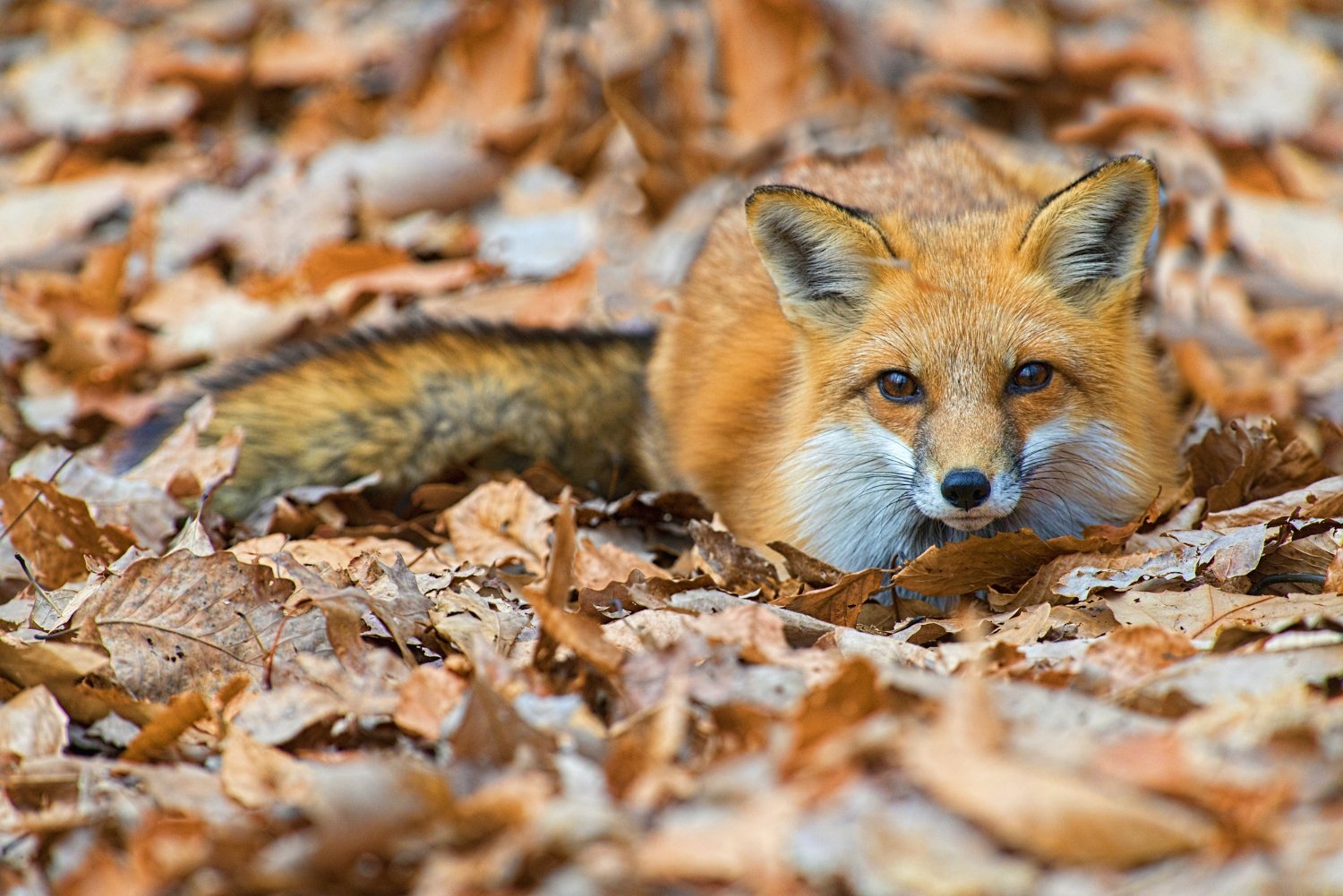
According to the author, foxes and feral cats have played a part in the recent extinction of many Australian mammal species. Small marsupials, rodents and bandicoots lived for millions of years without such predators and have no defence against them. Foxes were brought to Australia for hunting in the 19th century, and cats came with European settlers. Today feral cats live across almost the entire continent.
Why native animals are defenceless
Australian mammals evolved in isolation for millions of years. They had no experience of agile nocturnal predators like foxes and cats, so many small species don't recognise danger or run away in time. And the most vulnerable species weigh from a few tens of grams to a few kilograms, exactly the prey size for a cat or fox.
What the figures show
Ritchie cites the Threatened Species Index, which tracks numbers of Australia's rare mammals. Actively managed populations, protected from predators, fenced in or released on islands without foxes and cats, fell by about 20% between 2000 and 2022 and then mostly stabilised. Populations without such management fell by more than half over the same period.
The penguin example
One success story is the little penguins of Phillip Island in Victoria. After foxes were removed from the island, penguin numbers rose. There are similar stories on other islands, where removing introduced predators has made it possible to bring back lost species.
What the measures are
Tackling invasive predators isn't only about shooting. The tools include fenced reserves that predators can't enter, island refuges, poison baits targeted at specific predators, trapping and research into new methods. Each method has its pros, cons and ethical questions, so decisions are made on the basis of scientific data and with public opinion in mind.
Islands and fences
One of the most successful strategies is fenced reserves and islands free of foxes and cats. Rare marsupials are moved there and their numbers grow. These refuges are expensive and need constant protection: if a predator gets past the fence, it can wipe out years of work. But for many species they're currently the only reliable way to survive.
Cats and wildlife diseases
Cats are dangerous to wildlife not only as predators. They spread toxoplasmosis, a parasitic disease to which many Australian marsupials are very sensitive. The parasite's eggs reach the soil in cat faeces and survive there for a long time. So neutering, keeping cats indoors and cleaning the litter tray help not only to save small animals but also to reduce the spread of infection.
What opponents of culling say
Opponents of shooting and poisoning believe it's unfair to kill animals because people once introduced them, and propose other solutions such as neutering, fencing and deterrents. This approach is known as "compassionate conservation". Supporters of culling reply that many species no longer have time for slow methods. The debate continues, and scientists are calling for it to be based on data about what really works.
Where pet cats come in
Feral cats are descended from pet cats. Some were born in the wild, and others were once lost or abandoned. So responsible ownership is one way of reducing the problem. Some parts of Australia already have rules for owners: compulsory neutering, registration, and keeping cats indoors at night or at all times.
Cats and wildlife: not just in Australia
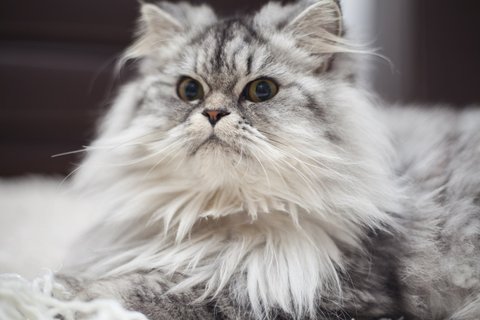
Cats that go outdoors hunt even when they're full, as this is instinct. In towns and suburbs they catch birds, lizards, small mammals and insects. The effect of cats on wildlife is debated in Europe too, especially on islands and near reserves with rare birds.
How to reduce your cat's hunting
- Get your cat neutered: this reduces the number of stray kittens.
- Keep your cat indoors at night, at dawn and at dusk, when birds and small animals are most active.
- Provide safe outdoor access: an enclosed balcony or a garden run.
- Play with your cat: hunting games indoors reduce the urge to hunt outside.
- Microchip and register your cat, as is now required in England, so that it can be returned if it gets lost.
Collars and bells
Research shows that brightly coloured collar covers and bells can significantly reduce the number of birds caught by outdoor cats, as birds can see and hear the predator coming more easily. These devices work less well on small mammals. A cat's collar must be safe, with a quick-release clasp that opens if your cat gets caught. It's no substitute for neutering and time indoors, but it's a simple way to help birds.
Who makes the decisions
In Australia, rules for pet cats and measures against feral animals are decided by state governments and local councils, while the federal government is responsible for the overall strategy for protecting rare species. So requirements vary from area to area, from compulsory registration to a ban on letting cats outdoors. Senator Pocock's proposal concerned a national plan that would bring these efforts together.
Is it OK to keep cats indoors?
Many owners worry that a cat will be bored without going outdoors. Vets and behaviour specialists note that cats can live a full life indoors if they have chances to play, climb, watch through a window and hide. Living indoors reduces the risk of injuries, disease, fights and accidents. The key is to enrich the environment and give your cat attention.
Ethics and science
The debate in the Australian parliament shows that questions about the lives of animals are rarely simple. Scientists try to find solutions that save the most species with the least suffering: using humane methods, checking how well they work and explaining to the public why they're needed. The author believes that refusing to act for the sake of some animals can lead to the extinction of others.
Cats in rescue centres
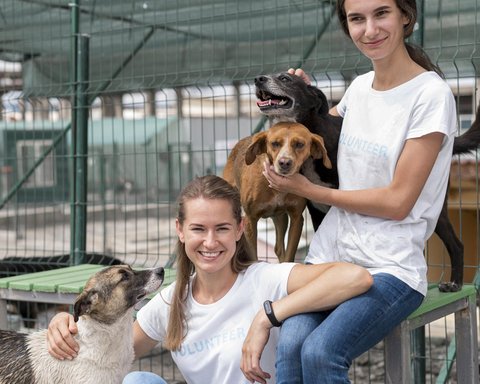
Another side of the problem is stray cats in towns and rescue centres. Trap, neuter and return programmes help reduce their numbers, and rehoming cats with families who will keep them indoors eases the pressure on wildlife. Owners who can no longer keep a cat should turn to a rescue rather than letting the animal go.
What an invasive species is
An invasive species is one that people have brought to a new region and that spreads there and harms local nature, the economy or human health. Not every introduced species becomes invasive: many don't take hold or do no noticeable harm. But those that do can change ecosystems, displace native species and carry diseases.
What this means for Europe
Europe has its own invasive species too, such as the American mink, raccoon dog, raccoon, coypu and red-eared terrapin, and its own debates about how to tackle them. The EU keeps a list of invasive species that mustn't be imported, sold or released, and Britain has similar rules. Australia's experience shows that protecting native species takes consistent measures and responsible pet ownership, and that debates should be based on data.
When to see a vet
If you've decided to move your cat from outdoor to indoor life, talk to your vet, who can advise on making the transition calmly and enriching the environment. Be sure to have your cat seen if it comes home with wounds, abscesses or a limp or is lethargic, and when it's time for neutering or vaccinations.
Sources
- phys.org (republished from The Conversation), 31 October 2026