Contents
- What happened
- Who said it
- 11 years of losses
- Death by electricity
- Why elephants come to the fields
- Conflict with people
- How many elephants are left
- Moulvibazar's elephants
- A call for humanity
- A government project
- An elephant sanctuary
- No bull elephant
- Protecting fields without lethal current
- Experience from other countries
- Elephants and refugee camps
- Elephant diseases
- Why elephants matter
- What an electric fence is
- What this means for Europe
- Electric fencing for dogs and livestock
- The Asian elephant
- Elephants and borders
- Compensation for farmers
- Captive elephants
- How elephants are treated
- Electricity and the law
- Involving local people
- Wild females without a mate
- Power for the fields
- What happens next
- When to call a vet
What happened
Bangladesh has taken stock of a grim record: at least 123 elephants have died in the country over 11 years. Most of them were electrocuted. On 21 November The Daily Star newspaper reported the figures, citing the country's Forest Department.
Who said it
The figures were given by A S M Zahir Uddin, conservator of forests for the Central Region. He was speaking at the closing session of a three-day seminar on elephant conservation in Juri upazila, Moulvibazar district, in north-eastern Bangladesh. The seminar was organised by the Forest Department under its elephant conservation project.
11 years of losses
Elephant deaths were counted from the 2015/16 to the 2025/26 financial years. The largest number, 21 elephants, died in 2019/20. In a country with only a few hundred wild elephants left, every loss counts.
Death by electricity
The main cause of death is electric fencing. Farmers string live wires around rice fields and vegetable plots to stop wild animals eating their crops. An elephant that touches such a wire can die on the spot, especially if the fence is connected directly to the mains.
The Daily Star; 21 November 2026
Why elephants come to the fields
The forests where elephants live are shrinking as they are cleared for fields, settlements, roads and refugee camps. Elephants lack food and space, so they come out onto fields growing rice, bananas and sugar cane. That is where the conflict begins: farmers protect their crops and elephants die.
Conflict with people
People suffer from the conflict too. Elephants destroy homes, trample crops and sometimes kill people. For poor farmers, losing a harvest is a disaster. So they look for ways to scare elephants off, and an electric fence seems the simplest solution.
How many elephants are left
According to Zahir Uddin, around 450 elephants live in the Chattogram, Mymensingh and Sylhet regions. The Asian elephant is endangered in Bangladesh. Some herds move across the borders with India and Myanmar.
Moulvibazar's elephants
In Moulvibazar district, according to the local forestry office, 29 elephants live in captivity. Only three wild ones remain, all female. They move between the Patharia Hill Reserved Forest in Juri and Barlekha upazilas and the forests of India's Assam state. One of them has been ill for some time.
A call for humanity
Zahir Uddin called for a more humane approach to conservation. He warned that protecting elephants would become harder without collective effort. Elephants cannot be protected without the involvement of farmers, local people, the police and the authorities.
A government project
The government of Bangladesh is running a three-year project for 2025–2028. Its aims are to protect elephant habitats, provide safe breeding grounds and food, identify the causes of conflict with people, stabilise the population and reduce elephant deaths.
An elephant sanctuary
Local people at the seminar asked for an elephant sanctuary in the Harargaj Reserved Forest. The Forest Department is currently planning a sanctuary in Cox's Bazar in the south-east of the country. The Harargaj site will be considered once its suitability has been assessed.
No bull elephant
There had been a proposal to bring a bull elephant into the Latitila Reserved Forest in Juri upazila to help the herd breed. A committee examined the idea but did not approve it. So the area's three wild females remain without a mate for now.
Protecting fields without lethal current
There are ways to deter elephants without deadly electricity. These include fences with safe, low-energy pulsed current that gives an unpleasant shock but does not kill. Beehive fences – elephants are afraid of bees – chilli smoke, warning lights and early alerts when a herd is approaching are also used.
Experience from other countries
Farmers in India, Sri Lanka and Kenya successfully use beehive fences and safe electric fencing. In Sri Lanka, too, elephants often die from electrocution and gunshots. Experts say the key is to preserve the corridors elephants use to move between forests, so they come out onto fields less often.
Elephants and refugee camps
In recent years huge camps for refugees from Myanmar have sprung up in the Cox's Bazar area. They have taken over part of the forests elephants used to roam. This sharpened the conflict: elephants entered the camps and people were killed. Protecting elephant corridors there has become a particularly important task.
Elephant diseases
Captive and wild elephants suffer from diseases, including tuberculosis and a herpesvirus that is deadly to calves. Vets treat injured elephants, but after electrocution the chances are slim. Burned and injured elephants need long-term treatment.
Why elephants matter
Elephants are "engineers" of the forest. They make paths, spread tree seeds and create clearings. Without elephants the whole forest changes. Their deaths therefore affect other animals and the people who live near the forest.
What an electric fence is
A safe electric fence is powered by a special energiser that delivers short pulses which frighten but do not kill. The danger comes from homemade fences connected directly to the household supply. Such wires kill elephants, livestock, dogs and even people.
What this means for Europe
Europe also has conflicts between people and wildlife – with wolves, bears and wild boar. European farmers use electric fences with safe current to protect their pastures. The situation in Bangladesh is a reminder that a fence should deter animals, not kill them, otherwise both wild and domestic animals suffer.
Electric fencing for dogs and livestock
If you put up an electric fence on your land, choose a certified energiser with safe pulses. Check the insulation regularly. Homemade fences with constant current are dangerous to dogs, horses, children and wildlife and are prohibited under safety rules.
The Asian elephant
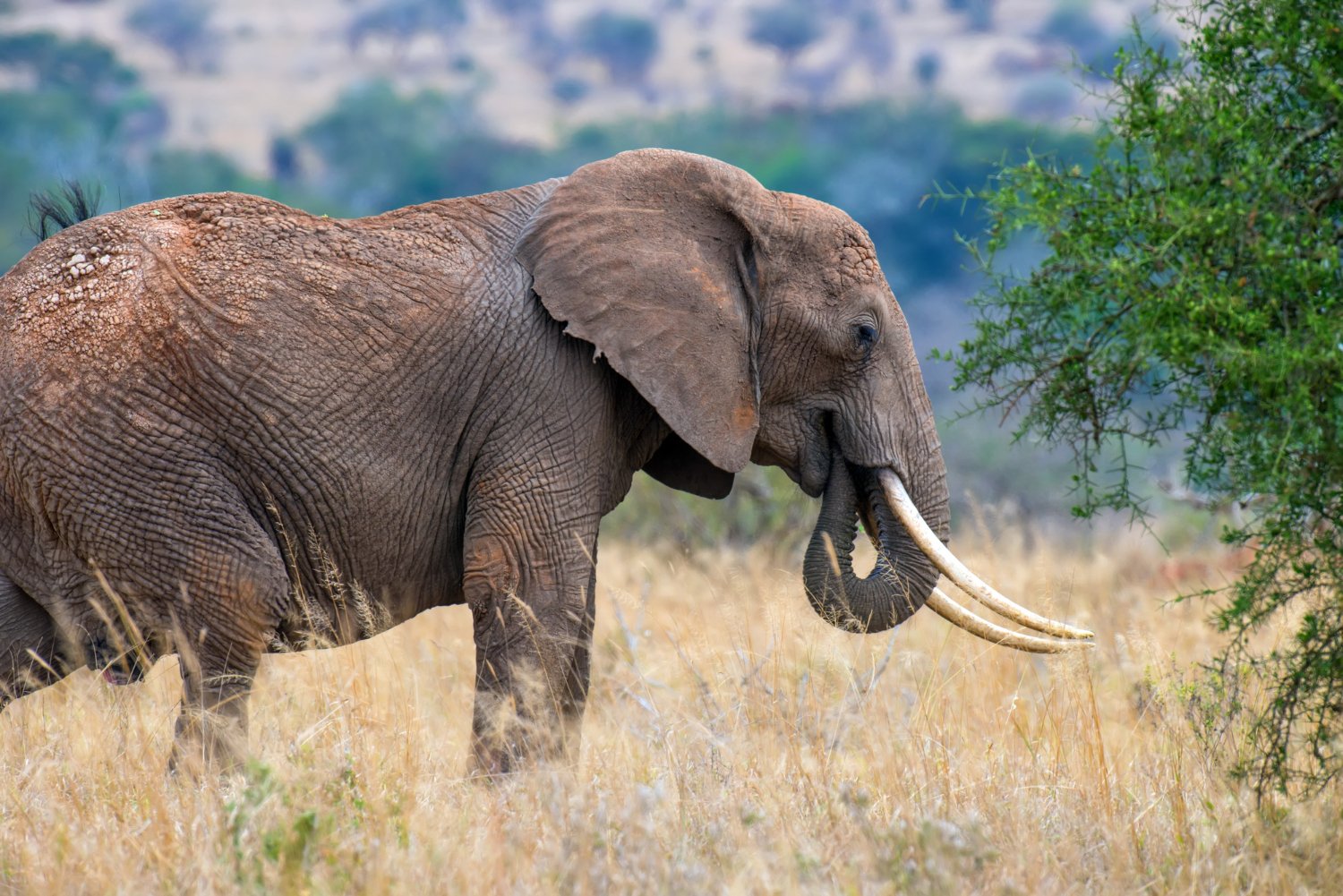
The Asian elephant is smaller than the African, with smaller ears, and only some males have tusks. The International Union for Conservation of Nature lists the species as endangered. Only a few tens of thousands of Asian elephants remain in the wild, most of them in India.
Elephants and borders
Many of Bangladesh's elephants belong to larger herds that move between Bangladesh, India and Myanmar. Border fences and roads cut through old migration routes. Elephants get stuck in small patches of forest, where conflict with people becomes especially acute.
Compensation for farmers
In several Asian countries farmers are compensated for crops destroyed by elephants. This reduces the incentive to put up lethal fences. Bangladesh also has rules on compensation for damage by wild animals, but it is important that the money reaches farmers quickly.
Captive elephants
Captive elephants in Bangladesh often live with private owners and are used for work or performances. Their conditions raise concerns among animal welfare groups. Vets point to foot injuries, skin diseases and stress in elephants kept on chains.
How elephants are treated
Treating an elephant is a complex job. To examine a wild elephant, vets sedate it with a dart. They treat wounds, burns and infections and remove bullets. Elephants take a long time to recover and need care in specialist centres.
Electricity and the law
In Bangladesh the law forbids killing elephants, and a death caused by a fence can be punished. But guilt is hard to prove, and farmers often do not know that a fence connected to the mains is lethal. So the Forest Department is focusing on seminars and awareness-raising.
Involving local people
The seminar in Juri was attended by farmers, forest villagers, police and fire service officers, agriculture and forestry officials, timber traders, environmental activists and journalists. The authorities believe elephants can only be protected with the support of those who live alongside them.
Wild females without a mate
Without a bull, the three wild females in Moulvibazar district cannot breed, so the local population may disappear. Conservationists propose preserving forest corridors to India's Assam state so the elephants can meet other herds.
Power for the fields
Many poor farmers cannot afford a certified energiser and connect wires straight to the mains. Help with safe equipment could save both elephants and people.
What happens next
Bangladesh's Forest Department will continue its seminars with farmers and local residents. The authorities want to persuade farmers to give up lethal fences and show them safe ways to protect their crops. The project's success will show whether the number of elephant deaths falls in the coming years.
When to call a vet
If a dog, horse or cow gets a shock from a fence or wire and then has burns, weakness, irregular breathing or seizures, call a vet urgently. Do not touch the animal until you are sure the power has been switched off.
Sources
- The Daily Star, 21 November 2026