Contents
- What happened
- How the disease was spotted
- Samples sent to France
- Farm under quarantine
- Rules for farmers
- Who the measures apply to
- A vaccine is needed
- Help from Botswana
- What the minister said
- Where the island's cattle come from
- What foot-and-mouth is
- How it spreads
- Why it is so dangerous
- Is it dangerous to people?
- Not the first time in Mauritius
- Foot-and-mouth in Africa
- How the vaccines work
- Why France
- What farmers can do
- Consequences for the island
- What this means for Europe
- Travellers and food
- Footwear and clothing
- Signs in cattle
- Signs in pigs and sheep
- How it is diagnosed
- How outbreaks are stopped
- The advantage of being an island
- Pigs and food waste
- Milk and meat
- Foot-and-mouth and wildlife
- What happens next
- When to call a vet
What happened
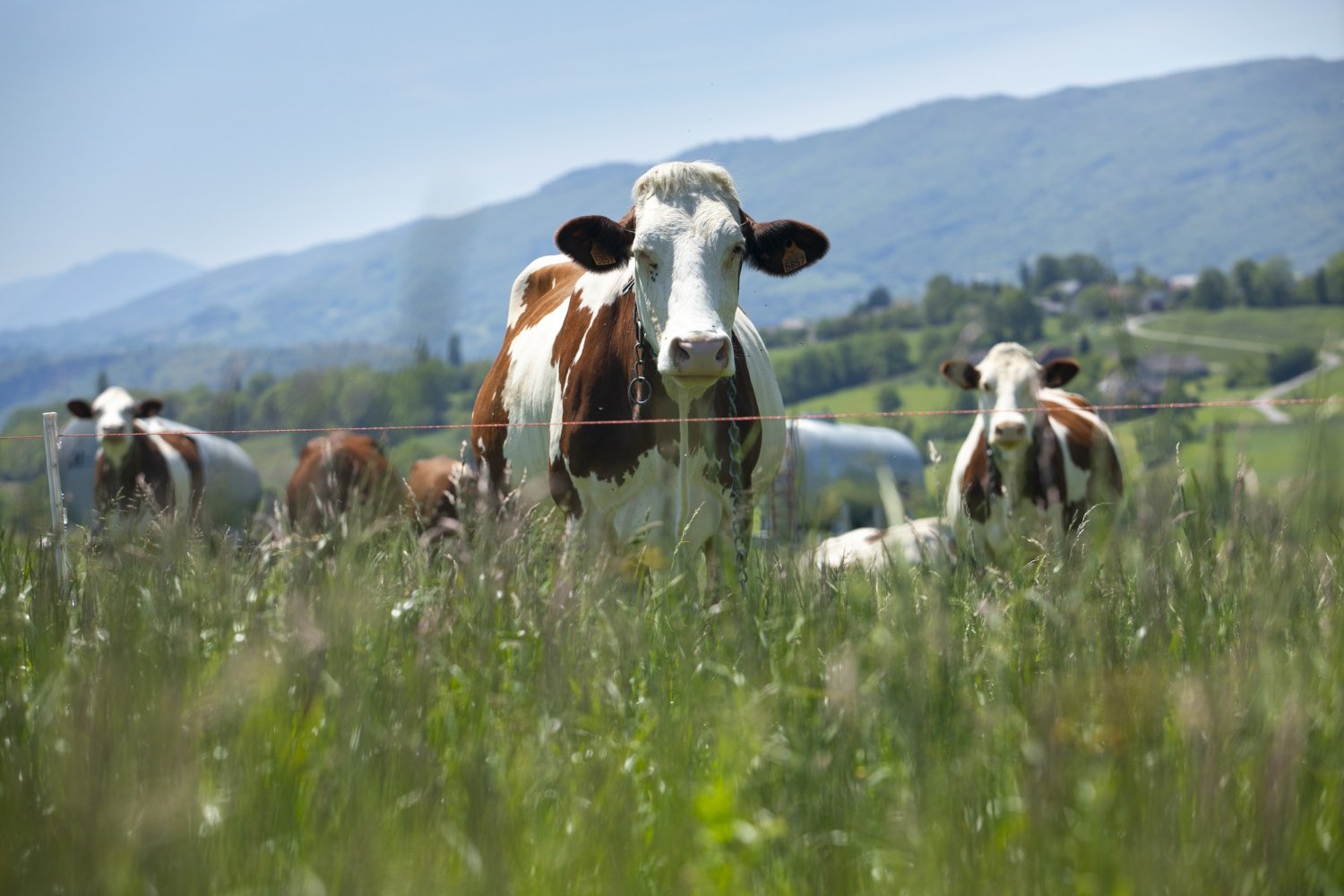
Foot-and-mouth disease has been confirmed in cattle on the Indian Ocean island of Mauritius. According to the Council of Ministers on 20 November, the disease was found in four of 16 cows on a farm in Notre-Dame, in the Khoyratty area in the north of the island. The farm was immediately placed under quarantine.
How the disease was spotted
The authorities learned of the suspicious cases on 17 November, and the ministry's vets went to the farm straight away. "We saw that the animals were drooling heavily," a ministry vet said. Specialists from the national veterinary laboratory then took samples. All four were positive for foot-and-mouth.
Samples sent to France
Samples from the sick animals have been sent to ANSES, the French Agency for Food, Environmental and Occupational Health and Safety. It will confirm the virus type and work out where it probably came from. The World Organisation for Animal Health's website already shows a notification from Mauritius dated 19 November mentioning serotype O, but this still has to be confirmed by tests.
Farm under quarantine
Only the people who look after the animals are allowed onto the farm. No cattle may be moved off it, and biosecurity measures have been imposed under the Animal Diseases Act. A ministry team supported by the national agricultural research institute FAREI will monitor the herd regularly.
Le Mauricien; 23 November 2026
Rules for farmers
The ministry has sent farmers strict biosecurity rules. "Biosecurity is paramount. Farmers must above all protect their animals," a vet said. No new animals may be brought into an infected herd and unauthorised people must be kept off the farm.
Who the measures apply to
The precautions apply to keepers of cattle, sheep and pigs, all of which are susceptible to foot-and-mouth. Goats can catch it too. Farmers are advised to watch their animals closely and report drooling, lameness and blisters in the mouth immediately.
A vaccine is needed
Mauritius has asked the Indian Ocean Commission, through its disease surveillance network, for around 40,000 free doses of vaccine and for vets from member countries to help with a vaccination campaign. No dates have yet been given for the delivery of vaccine or the start of vaccination.
Help from Botswana
Mauritius has also asked the Botswana Vaccine Institute, one of Africa's main producers of foot-and-mouth vaccines, for technical assistance. A veterinary specialist from Botswana was due to arrive on the island on 21 November. The choice of vaccine depends on which virus the tests confirm.
What the minister said
At a press conference in Port Louis on 20 November, Agro-Industry Minister Arvin Boolell urged farmers to follow the health rules and stay vigilant. At the same time, he asked them not to panic.
Where the island's cattle come from
According to the ministry, Mauritius currently imports cattle from two countries, Kenya and Namibia. The ministry says the animals come from areas free of foot-and-mouth. The origin of the virus is still unknown, and the analysis in France should provide an answer.
What foot-and-mouth is
Foot-and-mouth is a highly contagious viral disease of cloven-hoofed animals: cattle, sheep, goats and pigs, as well as wild deer and boar. The virus causes fever and blisters in the mouth, on the tongue, udder and between the hooves. Animals stop eating, go lame, and cows' milk yields drop sharply.
How it spreads
Foot-and-mouth spreads through direct contact between animals and via saliva, milk, manure, feed, vehicles and people's clothes and footwear. The virus can be carried on the wind for several kilometres, so a single sick cow can quickly infect the whole herd and neighbouring farms.
Why it is so dangerous
Adult animals rarely die of foot-and-mouth, but they are ill for a long time and lose weight and productivity. Calves, lambs and piglets can die from heart damage. The main damage is economic: countries close their markets, restrict movements and sometimes cull entire herds.
Is it dangerous to people?
Foot-and-mouth is practically harmless to people. Human cases are extremely rare and mild. Meat and milk from vaccinated, healthy animals are safe. But people can carry the virus on their clothes and shoes, so disinfection is needed after visiting an infected farm.
Not the first time in Mauritius
Mauritius has faced foot-and-mouth before. In 2016 there were outbreaks on Mauritius and the neighbouring island of Rodrigues. Livestock had to be vaccinated and movements of animals and products restricted. Experience from that outbreak should help the authorities act faster.
Foot-and-mouth in Africa
The disease has long been present in southern and eastern Africa. South Africa has in recent years been experiencing one of its worst epidemics in decades. The World Organisation for Animal Health is monitoring the spread of the dangerous SAT1 serotype. The Indian Ocean islands are linked to Africa through trade in livestock and feed.
How the vaccines work
A foot-and-mouth vaccine has to match the virus serotype. There are seven serotypes, and vaccination against one gives little protection against another. That is why it is so important for the French laboratory to identify the virus type precisely. Vaccination is usually repeated every few months.
Why France
ANSES is one of the world's leading foot-and-mouth laboratories. Mauritius has historical ties and cooperation with France, and the French island of Réunion is nearby. French specialists help countries in the region with the diagnosis and control of animal diseases.
What farmers can do
Farmers in Mauritius are advised to limit visits to farms, disinfect footwear and vehicles, not to buy animals without veterinary documents and not to feed pigs food waste containing meat. At the first sign of disease they should call the veterinary service straight away.
Consequences for the island
Livestock farming in Mauritius is small but important for local farmers and the supply of fresh meat and milk. If the virus spreads, movements and sales of animals will have to be restricted. That would hit small farms, for which a few cows are the main source of income.
What this means for Europe
Foot-and-mouth is one of the most dangerous diseases for European livestock farming. In 2025 there were outbreaks in Germany, Hungary and Slovakia, and in 2026 in Cyprus. Each outbreak cost the countries huge sums and the closure of export markets. Europe follows foot-and-mouth closely all over the world.
Travellers and food
If you are returning from Mauritius or other countries with foot-and-mouth, do not bring meat, milk, cheese or sausages into the UK or the EU. Bringing such products in for personal use from outside the EU is banned. The virus can survive in food and reach animals via food waste.
Footwear and clothing
If you visited a farm on holiday or had contact with cattle, sheep, goats or pigs, clean your footwear thoroughly and wash your clothes before coming home. Avoid visiting farms in Europe for a few days after the trip.
Signs in cattle
In cattle, foot-and-mouth starts with a high temperature and lethargy. This is followed by profuse, frothy drooling, lip-smacking and blisters on the tongue, gums and udder. The cow stops eating and goes lame because of ulcers between the hooves. Milk yield drops sharply, sometimes almost to zero.
Signs in pigs and sheep
Pigs with foot-and-mouth become very lame and develop blisters on the snout and feet; sometimes the hooves slough off. Sheep and goats are often less severely affected and show few signs. That is why small ruminants can spread the virus between farms unnoticed.
How it is diagnosed
A vet can suspect foot-and-mouth from the signs, but only a laboratory can confirm it. Blister fluid, saliva and blood are taken for testing. Modern methods can detect the virus within hours, while identifying the serotype takes longer.
How outbreaks are stopped
Usually zones with bans on moving animals and products are set up around the affected farm. Sick and contact animals may be isolated or culled. Livestock in the zone are vaccinated. Roads and vehicles are disinfected. The faster measures start, the smaller the losses.
The advantage of being an island
Being an island helps Mauritius: its border can be controlled at ports and the airport. But the island depends on imported livestock and feed. If the virus arrived with imports, the authorities will review the rules for importing and checking animals.
Pigs and food waste
One common cause of foot-and-mouth outbreaks worldwide is pig feed made from food waste containing meat. In the EU, feeding kitchen waste to pigs is banned precisely because of foot-and-mouth and African swine fever. Farmers in Mauritius are also being advised to stop the practice.
Milk and meat
Milk from sick cows must not be sold and is made safe. Meat from animals on infected farms is strictly controlled. There is no risk to shoppers, but farmers must respect the restrictions so as not to spread the virus further.
Foot-and-mouth and wildlife
Wild cloven-hoofed animals also catch foot-and-mouth. Mauritius has deer introduced many years ago as well as feral pigs. If the virus reaches them, it will be harder to fight. That is why vets are also watching wildlife near the farm.
What happens next
The Agro-Industry Ministry is waiting for the results of the analysis in France. Then it will be clear which vaccine is needed and where the virus came from. Vets will continue to check neighbouring farms to find any new cases as early as possible.
When to call a vet
If a cow, sheep, goat or pig starts drooling, develops blisters or ulcers in the mouth, on the teats or between the hooves, goes lame, has a fever and stops eating, call a vet immediately and report it to the veterinary service. Do not move the animals until a vet has examined them.
Sources
- Le Mauricien, 21 November 2026
- Le Mauricien, 23 November 2026