Contents
- What happened
- A video with money
- A goat on the road
- The goat's death
- Nobody called
- What the police said
- The driver is not linked
- A reward for information
- Account deleted
- What the law says
- Innocent until proven guilty
- Glue on fur
- Why the goat didn't escape
- Cruelty for likes
- What to do if you see it
- An animal on the road
- Goats as pets
- Veterinary care for goats
- Animal welfare law in the US
- The role of witnesses
- What this means for Europe
- How to report in the UK and Europe
- Where Hialeah is
- Why online witnesses matter
- Stress in animals
- Goats and rituals
- Helping an animal that has been hit
- Children and animals
- What happens next
- When to see a vet
What happened
On Friday, 20 November, police in the city of Hialeah, in Miami-Dade County, Florida, announced the arrest of a 34-year-old woman. She is accused of animal cruelty resulting in death. The case concerns a goat that was released onto a busy road for a social media video.
A video with money
According to witnesses, on 30 October the woman posted a clip on Instagram showing her, in the backyard of an unknown house, using a hot glue gun to stick banknotes directly onto a goat's fur. The hot glue was touching the animal's skin.
A goat on the road
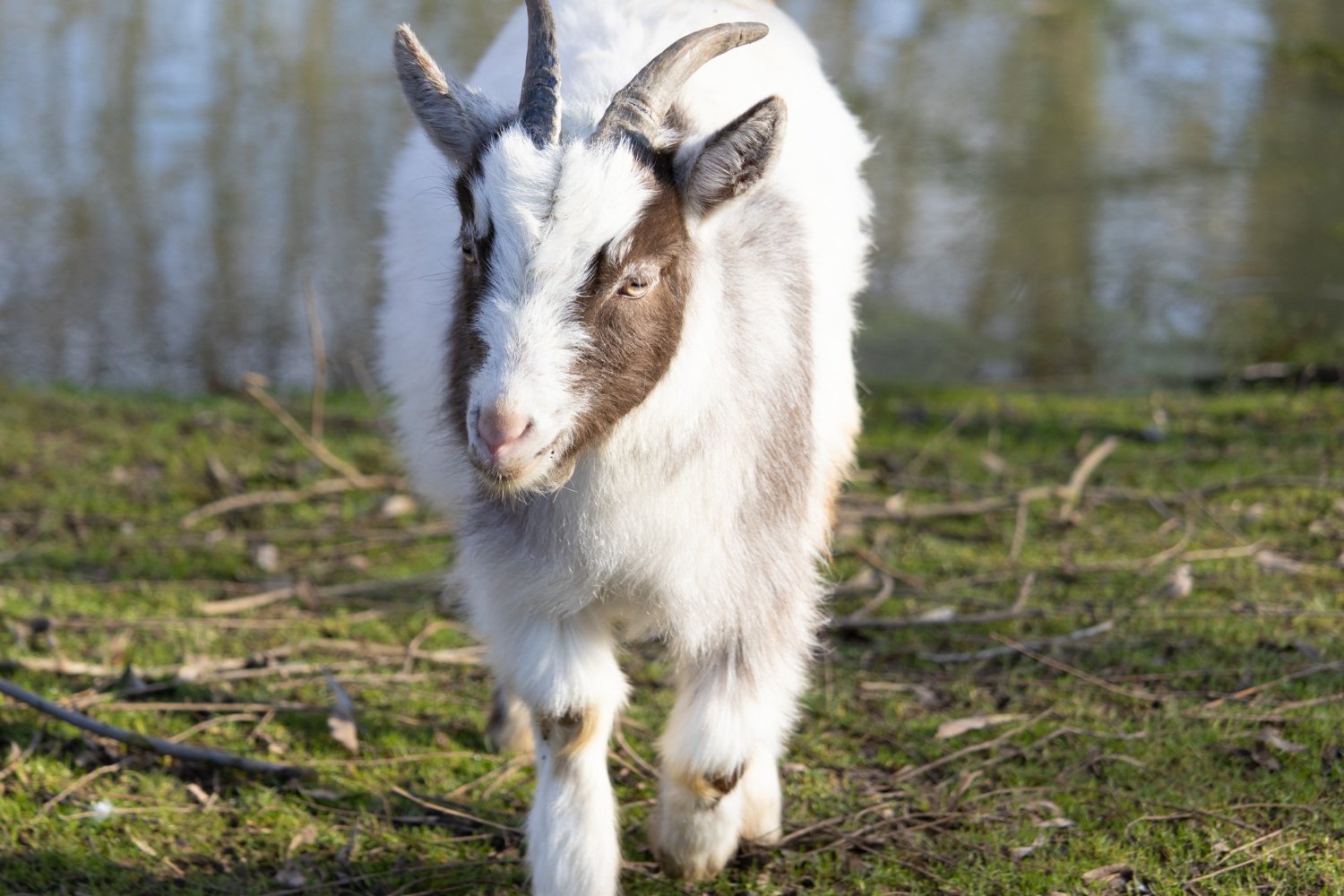
In a second clip, according to the arrest warrant, the woman releases the goat with a rope round its neck into heavy traffic near the Westland Mall shopping centre. She laughs and calls it a "cursed goat". The clips quickly spread across social media.
The goat's death
Two days later police were called to the area of West 20th Avenue and 49th Street. There the goat had been hit by a car. One witness later said she had been filming the goat on her phone when a pickup truck driver hit it.
International Business Times; 21 November 2026
Nobody called
What struck the police most was the behaviour of passers-by. Police spokesman Lieutenant Eddie Rodriguez said nobody called 911 to report a goat in the road. People stopped their cars, took out their phones and filmed instead of calling for help.
What the police said
"I'm afraid that people are starting to forget that social media does not dispatch officers and lights. They don't save animals in distress, nor do they prevent accidents on our roadways," Rodriguez said. He said a timely call might have saved the goat.
The driver is not linked
According to the arrest warrant, investigators found no link between the pickup driver who hit the goat and the suspect. According to local media, police regard the collision as an unavoidable accident and the driver will not be charged. Police hold the woman who released the goat responsible for it being on the road.
A reward for information
After the videos spread, a Miami Beach businessman offered a $10,000 reward for information leading to the arrest and conviction of the person responsible. The story outraged many people in Florida and far beyond.
Account deleted
According to the warrant, witnesses said the suspect deleted her account after the story attracted worldwide attention. By then the videos had already spread across several platforms, and police were able to examine them.
What the law says
In Florida, cruelty to an animal that causes death or severe suffering is a third-degree felony. Under state law it carries up to five years in prison and a fine of up to $10,000. The final decision will be up to the court.
Innocent until proven guilty
On 22 November Spanish-language media in Miami reported that the accused had been released on bail. She told a Univision reporter she had done nothing and refused to talk. Until the court rules, she is presumed innocent. Her name is widely known from US media, but we are not publishing it: what matters is the case itself and what it says about cruelty for online popularity.
Glue on fur
Glue from a hot glue gun reaches high temperatures and can burn an animal's skin. Objects stuck to the fur pull on the hair and cause pain. If glue gets on your pet's fur, don't pull it off by force: a vet can advise how to remove it safely.
Why the goat didn't escape
Goats raised around people do not know how to behave on a road. Traffic noise frightens them; they panic and may run under the wheels. A rope round the neck restricts movement and can get caught. An animal like that has almost no chance of surviving in heavy traffic.
Cruelty for likes
Animal welfare groups have long warned about the growing number of videos in which animals are tormented for views. Platforms remove such videos, but not always quickly. Many countries and US states are discussing how to punish the filming and sharing of cruel videos of animals.
What to do if you see it
If you see an animal being abused or in danger on a road, call the police or emergency services first. A video can help an investigation, but it is no substitute for a call. Give the exact location and a description of the animal and the people nearby.
An animal on the road
If an animal is on the road, do not run into the traffic after it. If you are driving and can stop safely, switch on your hazard lights and call the police straight away. Officers can stop the traffic and lead the animal to safety.
Goats as pets
In the US and Europe many people keep goats on smallholdings and even in the suburbs. Goats are intelligent and sociable; they need pasture, shelter, hay, salt, water and the company of other goats. A goat kept on its own often suffers from stress.
Veterinary care for goats
Goats need regular vaccinations, parasite control and hoof care. Feeding matters too: too much grain causes serious stomach problems. If a goat stops eating or chewing the cud, or its belly swells, call a vet.
Animal welfare law in the US
Every US state has its own animal cruelty laws. Since 2019 there has also been a federal law that makes serious forms of cruelty a federal crime. Federal law also bans creating and distributing videos of the most extreme acts of animal cruelty.
The role of witnesses
Most animal cruelty cases begin with a report from a witness. Neighbours, passers-by and social media users are often the first to notice that an animal is suffering. A timely report helps save the animal and bring the culprit to justice.
What this means for Europe
Cruel videos of animals spread on social media in Europe too. In EU countries animal cruelty is punished under national laws, in serious cases with prison. European animal welfare groups want platforms to remove such videos faster and pass information to the police.
How to report in the UK and Europe
If you see a video showing cruelty to an animal online, report it on the platform and to the police – in the UK, also to the RSPCA. Save the link and take a screenshot, as the video may be deleted.
Where Hialeah is
Hialeah is a city in Miami-Dade County in southern Florida, next to Miami. It has a large Latin American community. In the suburbs and on the outskirts some residents keep goats, chickens and other livestock, although city rules often restrict this.
Why online witnesses matter
Social media played a double role in this case. On the one hand, the goat videos spread and gathered views. On the other, those recordings and reports from witnesses helped the police find the suspect and gather evidence for the arrest.
Stress in animals
Even if an animal survives, cruelty like this leaves a mark. Goats that are restrained, have objects glued to their fur and are released into traffic noise experience intense fear. Their heart rate and breathing rise, and they may injure themselves trying to escape.
Goats and rituals
In various countries goats are sometimes used in ceremonies and rituals. Police have not said whether this case had any ritual meaning. But animal welfare groups point out that no tradition justifies an animal's suffering, and the law protects it in any case.
Helping an animal that has been hit
If you hit an animal or see one that has been hit on the road, stop somewhere safe and call the police. Do not go right up to a frightened injured animal: it may bite or kick. The police or animal control will call a vet.
Children and animals
Children also watch videos in which animals are tormented as a joke. Psychologists advise talking to children about such videos and explaining that animals feel pain and fear just as people do.
What happens next
The case will go to court in Miami-Dade County. Prosecutors will decide which charges to pursue. If guilt is proven, the court can impose prison, a fine and a ban on keeping animals. Animal welfare groups are following the case and hope for a tough sentence.
When to see a vet
If your pet has been burned, has glue or paint on its fur, has been hit by a car or seems frightened and injured after contact with people, take it to a vet straight away. Even an animal that looks fine after being hit by a car may have internal injuries.
Sources
- International Business Times, 21 November 2026
- Univision, 22 November 2026