Contents
- What the researchers found
- Why bats die at turbines
- Which bats die most often
- Why it's hard to count the dead
- Where the risk is higher
- Europe's approach: stopping the turbines
- How protection works in practice
- Germany has done this for a long time
- Why we need bats
- Why US data matters for Europe too
- Energy and nature: a balance rather than a choice
- What residents can do
- Bats in autumn and winter
- What to do if you find a bat
- Bats and pet cats
- How to help bats at home
- What this means for Europe
- When to see a vet
What the researchers found
On 31 October 2026 the European broadcaster Euronews reported on a new study published in the journal Proceedings of the National Academy of Sciences (PNAS). It's described as the most complete analysis to date of bat deaths at wind farms. The authors estimate that 18.7 million bats from 28 species died at US wind facilities between 1981 and 2024.
The trend is particularly worrying. About twenty years ago, roughly 100,000 bats a year were estimated to be dying at wind turbines. By 2021, with the boom in wind power, the figure had reached 1.5 million a year.
Euronews, PNAS, Journal of Applied Ecology; 31 October 2026
Why bats die at turbines
It's still not fully clear why bats die so often at wind turbines. Some scientists think the noise of rotation attracts them, others that the animals mistake tall towers for trees where they can rest or find insects. Researchers suggest that bats may not notice the moving blades well or are drawn to them for other reasons. There's also the barotrauma hypothesis: the sudden pressure drop near the blades may damage the animals' lungs.
Which bats die most often
In North America, earlier research suggests the most common victims are migratory species that live in trees and make long journeys in autumn. In Europe too, migratory species are most at risk, such as Nathusius' pipistrelle and the common noctule, which fly high and over long distances. That's why late summer and autumn are the most dangerous time: migrating animals from across the region pass through wind farms then.
Why it's hard to count the dead
Most data on bat deaths is collected by wind farm operators themselves, who search for carcasses around turbines. Search methods vary, and some carcasses are quickly taken by scavengers or hidden by tall grass. So scientists fear that the real losses are underestimated.
The authors of the new study developed a statistical method that takes gaps in the data into account and estimates deaths for each species across the country, including at wind farms with no observations.
Despite modern statistical methods, the state of data remained a limiting factor in our analysis.
from the study published in PNAS
Where the risk is higher
The researchers found that the most bats die at wind farms near rivers, as many species use rivers as a source of food and water and as a guide when migrating. Turbines with a small gap between the lowest point of the blade and the ground proved especially dangerous, as they rotate at exactly the height where many bats hunt. So the right choice of site and turbine design can significantly reduce losses.
Europe's approach: stopping the turbines
Another study, published this month in the Journal of Applied Ecology, looked at 141 wind farms in Europe, where all bat species are protected under the EU Habitats Directive. It found that not running turbines during periods when local conditions are particularly favourable for bat flight cuts deaths by more than 80%.
These conditions usually occur on warm, still nights, especially in late summer and autumn, when bats are migrating and feeding hard before hibernation. Bats fly less in windy weather, so turbines can run with almost no loss of output.
How protection works in practice
To know when to stop turbines, acoustic detectors are fitted on the nacelles to record bats' ultrasonic calls. From this data, along with wind speed, temperature, time of night and season, an algorithm is drawn up: the turbine automatically stays off as long as conditions are favourable for flying. At the same time, searches for dead animals are carried out around the turbines to check that the protection is working. These stoppages usually affect only a small part of a wind farm's operating time.
Germany has done this for a long time
In Germany, bat protection measures at wind farms have been mandatory since about 2010. Risks are assessed when choosing a site, and rotors are stopped during high-risk periods, such as during migration or in weather when bats are especially active. According to Euronews, this strategy has reduced bat deaths but not deaths of migratory birds, which also collide with the rotating blades.
Why we need bats
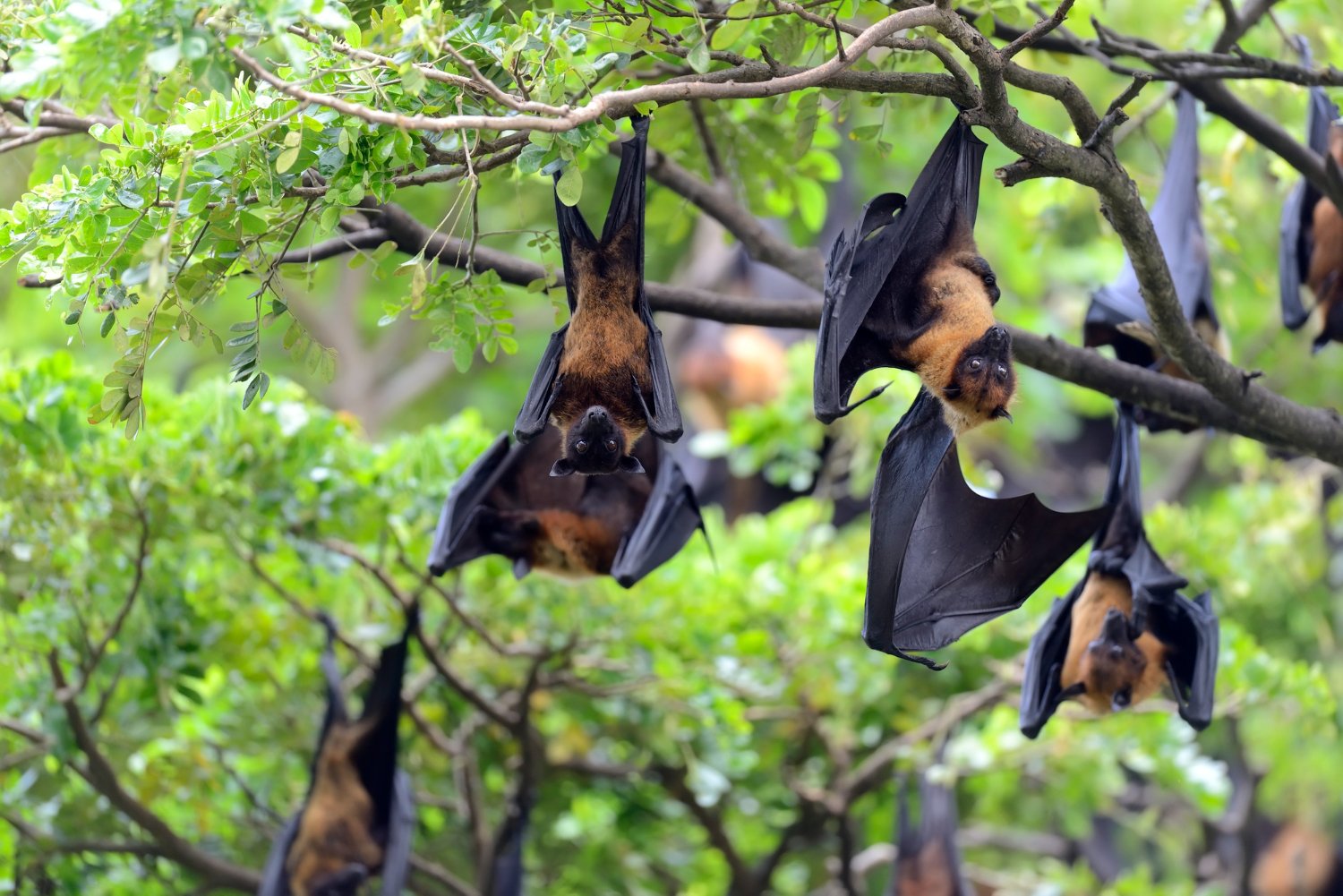
Bats are an important part of nature and useful neighbours for people. A single bat can eat hundreds of insects in a night, including mosquitoes and agricultural pests. Bats breed slowly: a female usually has one pup a year. So mass deaths of adults are especially dangerous for populations, which find it very hard to recover.
Why US data matters for Europe too
The US is one of the few countries where a large body of observations of bat deaths at wind turbines has built up over decades. So US estimates help show the overall scale of the problem: how losses change as turbine numbers grow, and which factors, such as rivers, blade height and season, increase the risk. European species differ from American ones, but the physics and the behaviour of migrating animals are similar in many ways, and the findings on turbine siting are useful to everyone.
Energy and nature: a balance rather than a choice
The researchers stress that this isn't about abandoning wind power, which remains one of the foundations of the shift away from fossil fuels. The aim is to make it safer for animals. Siting wind farms away from rivers and hibernation sites, choosing suitable turbine heights and stopping rotors on dangerous nights make it possible to combine clean energy and bat protection.
What residents can do
If a wind farm is planned near your home, you can ask at public consultations whether the risks to bats and birds have been assessed, and whether turbine stoppages on dangerous nights and monitoring of deaths are planned. You can support local bat groups, which carry out counts and help injured animals. And reports of dead bats found under turbines help scientists refine their estimates.
Bats in autumn and winter
In autumn, many European bats migrate or look for hibernation sites such as cellars, caves, lofts and cracks in walls. They're especially easy to disturb at this time. Each awakening during hibernation burns fat reserves, without which a bat may not survive until spring. So don't wake or move bats you find in winter without specialist advice. In the UK, all bats and their roosts are protected by law.
What to do if you find a bat
- Don't pick it up with bare hands, and wear thick gloves.
- Carefully place it in a box with air holes and some cloth inside.
- Don't force it to eat or drink.
- Call the Bat Conservation Trust helpline or a local wildlife rescue.
- If the bat has bitten or scratched a person or a pet, see a doctor or vet the same day.
Bats and pet cats
Cats that go outdoors often catch bats, especially near houses where bats live under the roof. This is dangerous for both the bat and the cat, as some bats in Europe can carry viruses related to the rabies virus. If your cat brings home a bat, don't touch it with bare hands, and ask your vet whether your cat's rabies vaccination is up to date.
How to help bats at home
- Put up a bat box on a wall or tree.
- Don't block gaps under the roof during breeding and hibernation.
- Avoid pesticides in the garden, as they kill insects.
- Turn off bright night lights in the garden, as many species avoid light.
What this means for Europe
New wind farms are being built quickly in Europe, and protecting bats is becoming ever more important. The US study shows how great the losses can be if bats aren't considered, and the European data shows that an effective solution already exists. Stopping turbines on dangerous nights, choosing the right sites and monitoring deaths make it possible to preserve both clean energy and these useful animals.
When to see a vet
If your cat or dog has caught or bitten a bat, or been bitten by one, see a vet and mention the contact. Your vet will check whether the rabies vaccination is valid and treat any wounds. If a bat has bitten or scratched you, see a doctor straight away: only they can decide on preventive treatment.
Sources
- Euronews, 31 October 2026