Contents
- What happened
- How many birds the farm had
- Quarantine and joint response
- Will the meat reach the shops?
- What highly pathogenic avian influenza is
- How the virus reaches a farm
- What the authorities advise keepers
- A 10-kilometre control area
- Signs of disease in birds
- What backyard keepers should do
- What it means for Europe
- Is it safe for people?
- What about cats and dogs?
- What happens next
What happened
The Wisconsin Department of Agriculture, Trade and Consumer Protection (DATCP) has detected highly pathogenic avian influenza, known as HPAI, in a commercial flock in Polk County. The trade publication The National Provisioner reported it on 25 November 2026. According to the publication, it is the tenth detection of bird flu in Wisconsin poultry this year.
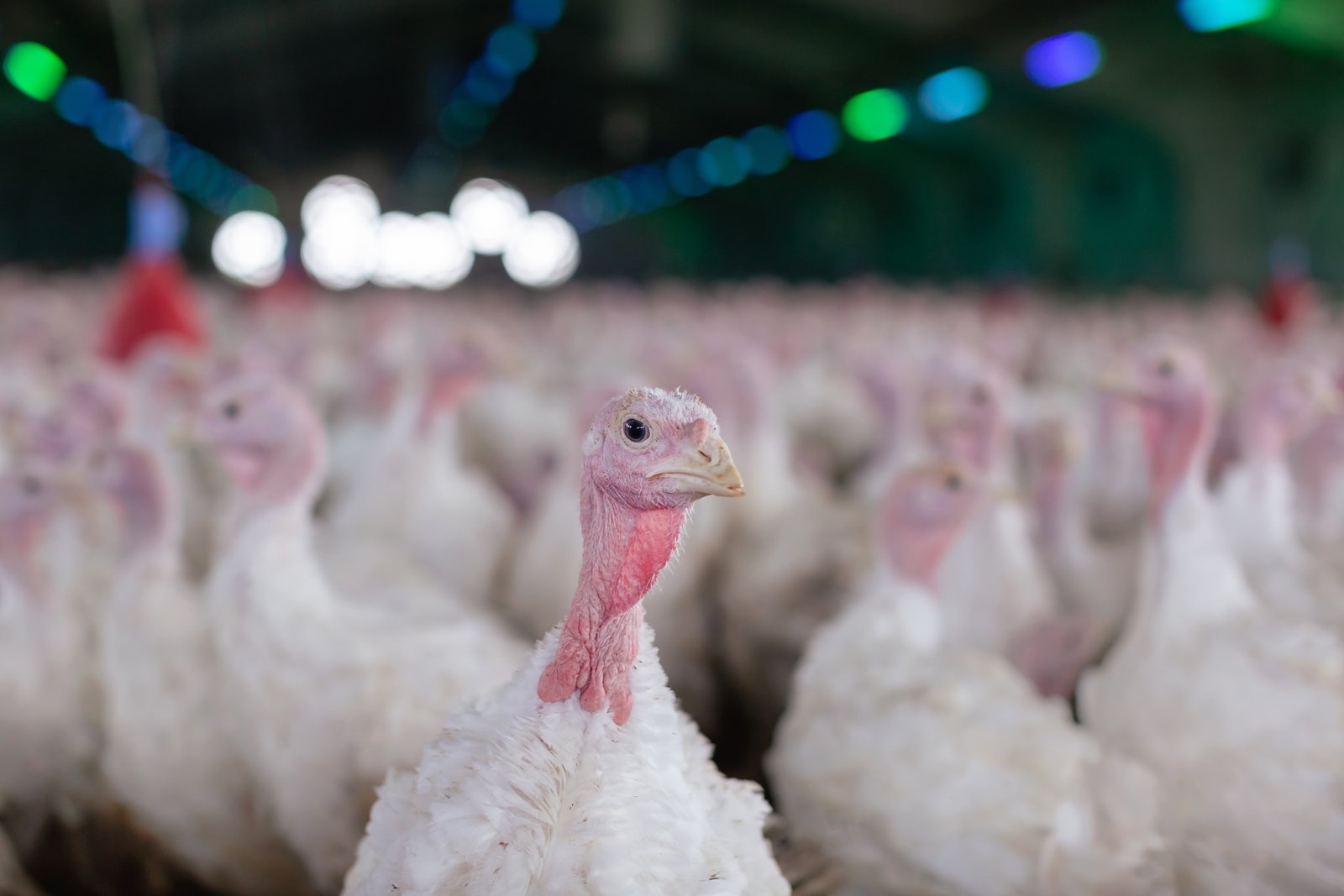
The publication later added that the flock was on a turkey farm, as identified by the local outlet Midwest Farm Report. The state agency and federal specialists are already working on site.
How many birds the farm had
According to the state, the affected farm kept 19,241 birds. All of them were culled to stop the virus spreading further. This is a standard measure for commercial flocks: with highly pathogenic bird flu, no attempt is made to treat the birds, because the disease is severe and spreads quickly within a flock.
For the farmer this means losing the entire flock and a long break in production. For neighbouring farms it is a signal to tighten their defences. The source does not say how the virus reached the farm, and we will not speculate.
Provisioner; 25 November 2026
Quarantine and joint response
The farm has been placed under quarantine to restrict movements of birds and poultry products. State animal health officials and specialists from the US Department of Agriculture (USDA) are working together in a joint incident command.
Quarantine means that no birds, eggs, meat or other items that could carry the virus may be moved on or off the farm. The measures stay in place until the authorities are satisfied that the outbreak has been eliminated. The announcement does not give a timescale.
Will the meat reach the shops?
Citing the state agency, the publication reports that birds from this farm will not enter the food chain. This means the meat of sick and in-contact turkeys will not be sold or processed.
This is an important point for shoppers, especially ahead of the holiday season, when more turkey is bought than usual. Supplies of meat from other farms are not directly affected by this case. If you have questions about a particular product, go by the label and announcements from local veterinary and food safety services.
What highly pathogenic avian influenza is
Bird flu is caused by type A influenza viruses. How severe the disease is depends on the strain and the bird species. According to DATCP, highly pathogenic viruses are very contagious and often fatal for poultry.
The virus has been circulating in North America among wild birds and poultry since December 2021, which is why outbreaks on farms there recur year after year. For poultry keepers this means the threat is not confined to the migration season but continues throughout autumn and winter, when wild birds are especially on the move.
How the virus reaches a farm
The state agency lists the main routes of transmission: direct contact with infected birds, mixing with wild birds or contact with their droppings, and the equipment and clothing of people who work with the animals.
The last two routes matter particularly for farmers and backyard keepers. The virus can be carried in on footwear, vehicle wheels, tools and clothing, so even a closed holding needs strict rules for coming and going. Wild ducks and geese can carry the virus while looking healthy themselves, so you cannot rely on how the birds around your yard look.
What the authorities advise keepers
DATCP urges all livestock and poultry keepers to apply strict biosecurity. The recommendations include:
- washing hands;
- disinfecting equipment;
- limiting access to animals by outsiders;
- keeping new animals apart from the flock for at least 30 days.
Poultry keepers are also asked to keep their birds indoors where possible. This reduces the risk of contact with wild birds and their droppings. These rules suit both small holdings and people who keep a few hens in the garden.
A 10-kilometre control area
When bird flu is found in a flock in Wisconsin, a control area with a radius of 10 kilometres is set up around the affected premises. Within it, movements to and from any premises with poultry are restricted.
So that keepers can tell whether their holding lies within a current control or surveillance area, the agency offers an online map. For farmers this is a practical tool: if your premises are in a zone, find out in advance what is and is not allowed, and do not move birds without the authorities’ agreement.
Signs of disease in birds
Well-known signs of bird flu in poultry include sudden deaths, lethargy, refusal of food and water, a drop in egg production, swelling of the head, a bluish comb and wattles, and laboured breathing. Not all signs appear at once, and sometimes birds die with almost no warning.
If you notice unusual deaths or a sudden deterioration in several birds at once, do not carry them round to neighbours or open them up yourself. Isolate the birds, restrict access to the yard and contact a vet or the state veterinary service immediately.
What backyard keepers should do
People who keep a few hens, ducks or turkeys should apply the same principles as farms. Give your birds a closed house or a run with a roof and netting so that wild birds cannot reach the feeders and drinkers.
Store feed where wild birds and rodents cannot get at it. Use separate footwear and clothing for working with your birds and do not wear them outside the yard. Wash your hands after handling birds. Do not buy birds privately without documents, and do not let them onto shared ponds. Keep new birds separate at first.
What it means for Europe
This is a US outbreak and does not directly affect owners in Europe. But bird flu is also present in Europe, and the measures are similar. In EU countries, when highly pathogenic bird flu is confirmed on a holding, the flock is also culled and protection and surveillance zones are set up around the outbreak, with a radius of at least 3 and at least 10 kilometres respectively.
European veterinary services also recommend keeping poultry indoors during periods of higher risk and following biosecurity rules. In the UK the rules are set by Defra and APHA. Anyone keeping poultry should follow the guidance of their national service, because restrictions in force can differ between countries and regions.
Is it safe for people?
The DATCP announcement says nothing about the risk to people, and we will not add our own assessment. It is well known that people rarely catch bird flu, and mainly those in close contact with sick birds or their droppings.
It is therefore sensible for farm workers and poultry keepers to use gloves, work clothing and a mask, and to wash and change clothes after contact. Do not touch dead wild birds you find with bare hands, and report such finds to your local veterinary service.
What about cats and dogs?
The source does not mention cats and dogs, but owners who keep both poultry and other pets should bear in mind a general principle: footwear, clothing and equipment can carry the virus from place to place. Do not let cats and dogs touch dead or sick wild birds or poultry from other yards.
Do not feed pets raw poultry meat of unknown origin. If an animal has been in contact with a sick bird and develops unusual symptoms, phone your vet and mention the contact before you bring it to the practice.
What happens next
So far the announcement gives no details of the next steps after the cull. After an outbreak is eliminated, the authorities usually carry out cleaning and disinfection and keep the control area in place until checks are complete. The source does not give details for this case, and we will not fill them in.
Poultry keepers in Wisconsin are best advised to follow the situation on DATCP’s bird flu page and its zone map. Everyone else needs to know only this: the virus is still circulating, and good biosecurity remains the best protection for a flock. If in any doubt, talk to your vet.
Sources
- Provisioner (The National Provisioner; DATCP, USDA), 25 November 2026