Contents
- What's happening
- How the disease develops
- Where the disease occurs
- Mosquitoes and possums
- Possum droppings as an early warning system
- How to tell Buruli ulcer from an ordinary wound
- How people are treated
- How to protect yourself
- How to cut down on mosquitoes in the garden
- Don't touch possums
- Buruli ulcer in animals
- How animals are treated
- What owners in affected areas should do
- One Health: people, animals and the environment
- Why the disease is spreading
- The disease around the world
- What this means for Europe
- When to see a vet
What's happening
On 31 October 2026 Australia's ABC reported that cases of Buruli ulcer are increasing in south-eastern Australia. The infection is caused by the bacterium Mycobacterium ulcerans, which gradually destroys skin, fat under the skin and muscle. That's why the press calls it "flesh-eating".
The state of Victoria is now considered the disease's global centre, with a record 426 cases confirmed last year. Cases have recently appeared in a new area too, on the south coast of New South Wales, around the town of Batemans Bay.
ABC, Daniel O'Brien; 31 October 2026
How the disease develops
It all starts with a small, painless lump under the skin. Beneath it, bacteria gradually destroy fat and muscle. The skin then dies, turns black and becomes an open ulcer that grows without treatment. The bacterium produces a substance that numbs the affected area, destroys tissue and suppresses the immune system, which is why people can go a long time without noticing.
Often, it's been there for a while before people actually know they've got it.
Daniel O'Brien, infectious diseases physician at Barwon Health in Geelong and Royal Melbourne Hospital
According to O'Brien, about 90% of cases he sees progress from lump to ulcer, and in less than 1% the bacteria reach the bone. Symptoms usually go unnoticed until five or six months after infection.
Where the disease occurs
In Victoria, Buruli ulcer is found permanently on the Mornington and Bellarine peninsulas, in Geelong and in some Melbourne suburbs. There are also hotspots on the Queensland coast, where it's sometimes known as Daintree ulcer, and around Darwin. The new area is the south coast of New South Wales. People can also be infected on holiday, with an ulcer appearing months later at home, where local doctors may not know the condition.
Mosquitoes and possums
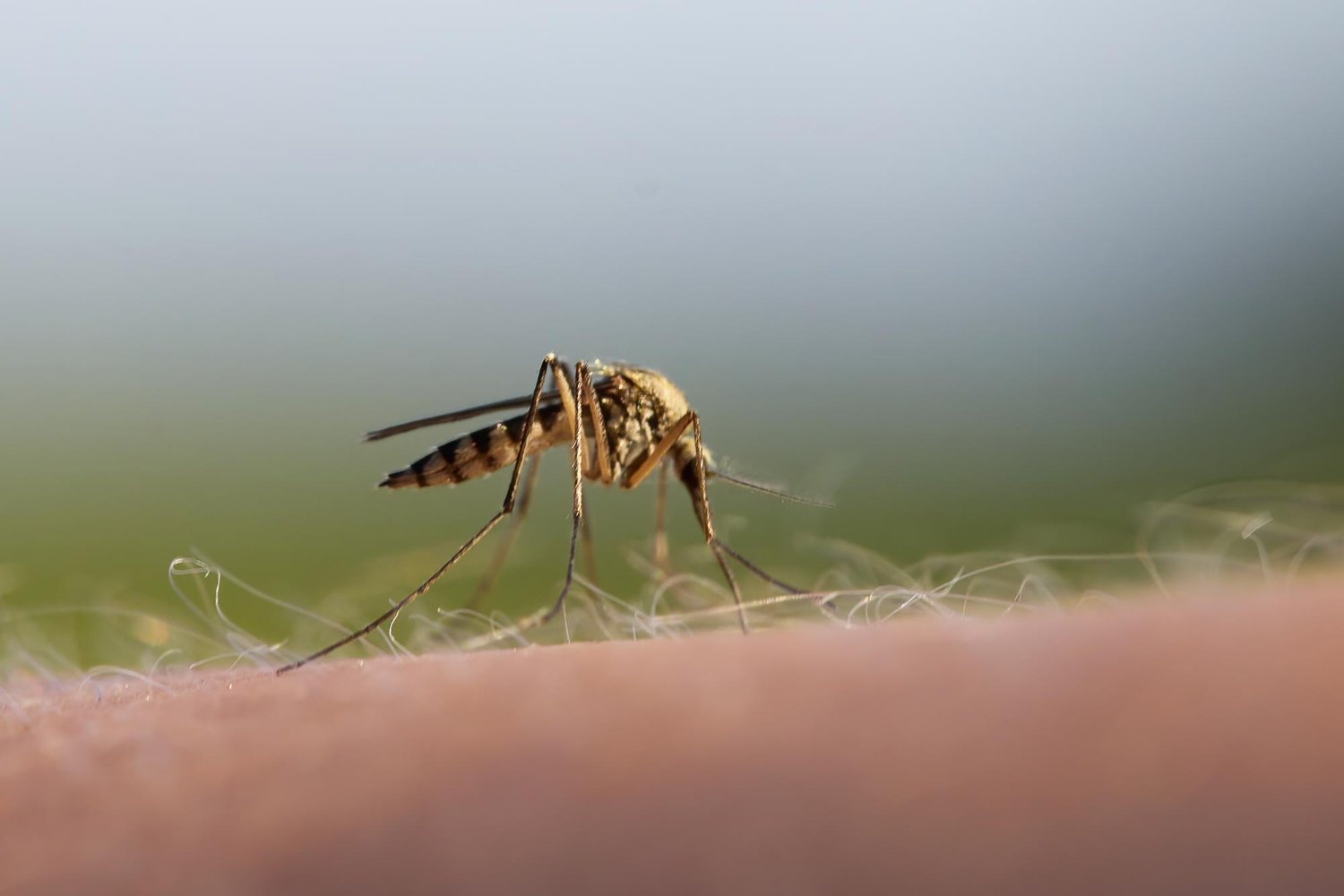
The bacterium reaches people through mosquito bites, so ulcers usually appear on exposed parts of the body such as the arms and legs. One of the carriers is thought to be a common backyard mosquito, Aedes notoscriptus.
Possums, the marsupials that live in Australian towns and gardens, play an important part in its spread. Brushtail and ringtail possums get ill themselves, with ulcers on their paws, face and tail. They shed the bacteria in their droppings into the soil, from where they can get into cuts on the skin.
Possum droppings as an early warning system
A 2025 study found that analysing possum droppings can help predict where Buruli ulcer will appear next. Human cases usually appear within three years of the first positive test on droppings. This gives health services time to warn residents and doctors.
Another recent study found that reducing mosquito numbers in areas where Buruli ulcer occurs also reduced human cases.
How to tell Buruli ulcer from an ordinary wound
Buruli ulcer is easily mistaken for an insect or spider bite, an ordinary skin infection or a cut that won't heal. Several signs should raise suspicion: the lump or ulcer hardly hurts, grows slowly over weeks, and the edges of the ulcer are undermined, with skin overhanging the destroyed tissue. The usual short courses of antibiotics don't help. If such an ulcer appears in someone who lives in an affected area or has been on holiday there, a doctor should consider Buruli ulcer and test for it directly.
How people are treated
The diagnosis is made from a swab of the ulcer, tested by PCR for the bacterium's genetic material. Treatment is a six-to-eight-week course of antibiotics. The drugs interact with other medicines and cause side effects, so about 20% of patients can't finish the course. O'Brien's team is trialling a new antibiotic that's taken for just ten days and is less harsh on the body. If there's too much tissue damage or the wound doesn't heal, surgery is needed, and full healing can take months or even a year.
How to protect yourself
Daniel O'Brien advises:
- Cover up with clothing in areas where the disease occurs.
- Use mosquito repellent on exposed skin.
- Cover wounds when working with soil, and wash cuts straight away with soap and water and apply antiseptic.
- Don't handle sick or injured possums.
- Get rid of standing water in your garden and set mosquito traps.
If you protect yourself from the environment … you really minimise your risk of acquisition.
Daniel O'Brien, infectious diseases physician
How to cut down on mosquitoes in the garden
Mosquitoes breed in any standing water, even a bottle cap. Once a week, turn over and empty buckets, pots and plant saucers, change the water in bird baths and pet bowls and clear your gutters. It's worth fitting mosquito screens on windows and doors. This protects not only against Buruli ulcer but also against other mosquito-borne diseases, including ones that are dangerous to dogs and horses.
Don't touch possums
Research shows that not all possums in affected areas carry the bacterium. In Australia, it's illegal to catch, relocate or kill possums without a licence. Scientists are developing an edible vaccine for possums that could in future reduce infections in animals and perhaps in people.
Buruli ulcer in animals
Vets in affected parts of Australia know Buruli ulcer from more than just possums. The disease has been described in dogs, cats, horses, koalas and alpacas. In animals it looks much the same as in people: first a lump or swelling, then a non-healing ulcer with undermined edges. The most commonly affected areas are the muzzle, ears, paws and tail, which are poorly protected by fur and easily reached by mosquitoes.
How animals are treated
Treatment in animals is similar to that in people: a long course of antibiotics, wound care and sometimes surgical removal of affected tissue. The diagnosis is confirmed in the same way, by PCR on a swab or tissue sample. The sooner treatment starts, the less damage there is and the faster healing is. So any non-healing wound on a dog or cat in an affected area is a reason to mention Buruli ulcer to your vet.
What owners in affected areas should do
- Check your pet, especially the muzzle, ears, paws and tail.
- Protect it from mosquitoes, and keep it indoors at dusk and overnight.
- Prevent contact with possums and their droppings.
- Get rid of standing water in your garden, as mosquitoes breed in it.
- Show your vet any wound that doesn't heal within two weeks.
One Health: people, animals and the environment
Buruli ulcer is a good example of what specialists call the One Health approach: human disease can't be understood without animals and the environment. Monitoring possums helps warn people, controlling mosquitoes protects everyone at once, and vets who spot the disease in dogs and cats may be the first to see that an infection has reached a new area.
Why the disease is spreading
Scientists don't fully understand why Buruli ulcer is reaching new areas. Possums, which thrive in the suburbs alongside people, and mosquitoes, which carry the bacterium from animals to humans, are known to play an important part. New housing on natural land brings people, animals and insects closer together. Monitoring possum droppings and mosquito numbers helps show in advance where the infection is moving.
The disease around the world
Most Buruli ulcer cases in the world are recorded in West and Central Africa, where it mainly affects children in rural areas. The World Health Organization lists it as a neglected tropical disease. Australia stands out because there the disease is spreading in well-off suburbs and holiday areas, which allows scientists to study it closely.
What this means for Europe
Buruli ulcer isn't found in Europe, but Europeans travelling to Australia and Africa can bring it home, so doctors should think of it when an ulcer won't heal after a trip. European fishkeepers should know about a related bacterium, Mycobacterium marinum: it lives in aquariums and can cause "fish tank granuloma" in people, with lumps and ulcers on the hands after water gets into cuts. It's best to wear gloves when working in your aquarium, especially if you have any cuts on your hands.
When to see a vet
If your dog, cat or horse develops a painless swelling that turns into an ulcer, or a wound doesn't heal within two weeks, have the animal seen by a vet. Mention if you've recently been in Australia or Africa with your pet. Your vet will take a sample and choose a treatment, and refer you to a specialist if needed.
Sources
- ABC News (Australia), 31 October 2026