Contents
- What happened
- Nearly half a metre of rain
- Kaleb on his island
- One and a half tonnes of food a day
- Tractors instead of cars
- The apes are safe
- Vets on a swamp buggy
- The water recedes
- A request for help
- Who lives at the sanctuary
- Why islands
- The drone as part of the plan
- How chimpanzees are fed
- Why routine matters
- How drone delivery works
- Hurricanes and animals in Florida
- A plan for your pet
- If water reaches your home
- Dangers after a flood
- Older animals cope worse with stress
- Horses and livestock in a flood
- Animals and the climate
- What this means for Europe
- When to see a vet
What happened
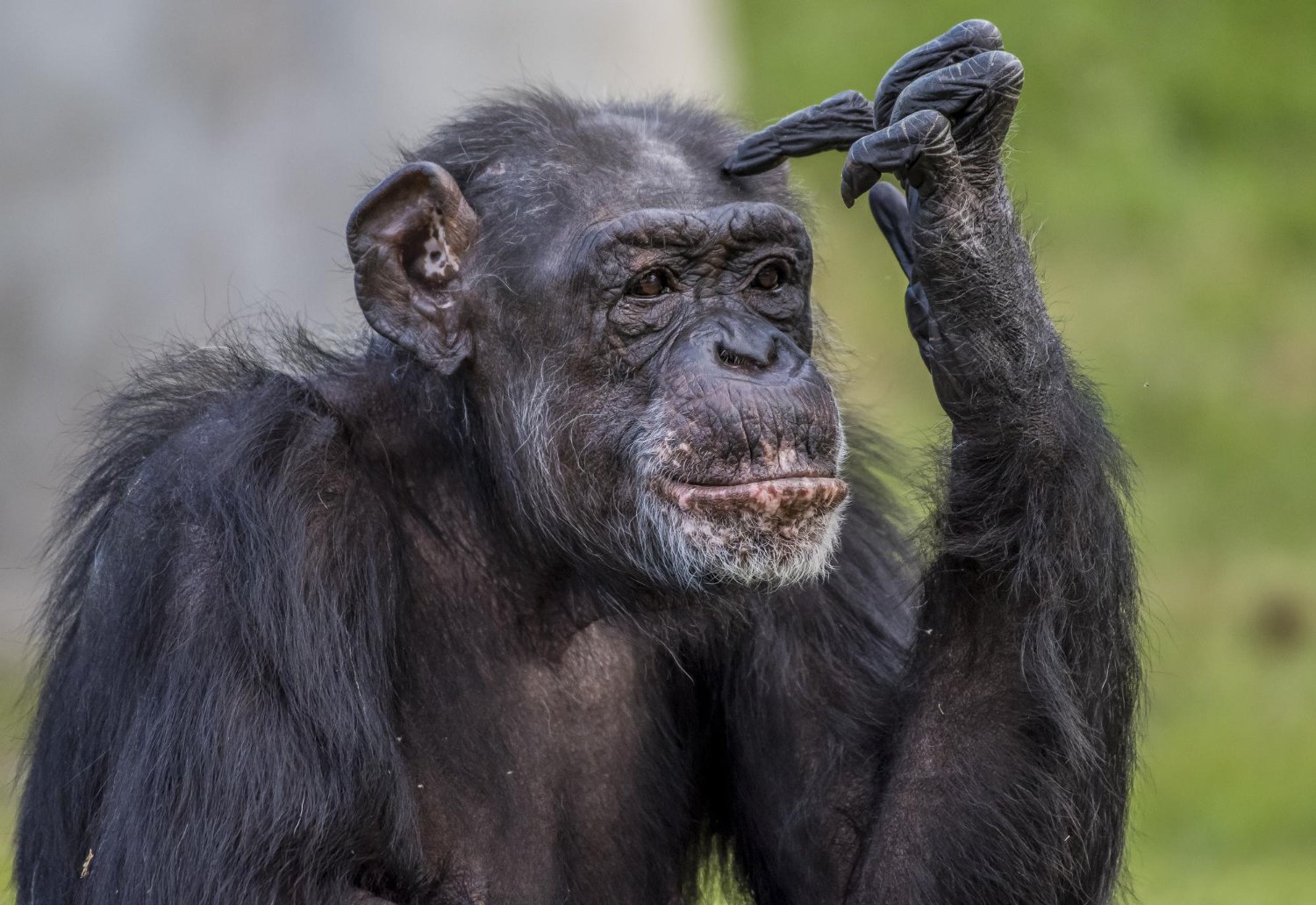
In early November 2026 torrential rain hit south-east Florida. One of the places affected was Save the Chimps, a sanctuary near Fort Pierce that is home to more than 200 chimpanzees rescued from laboratories, entertainment and private homes. The site flooded, and staff had to feed one ape by drone, the Associated Press reported.
Nearly half a metre of rain
The sanctuary received about 19 inches of rain, almost 480 millimetres. For comparison, that is more than many cities in central Europe get in half a year. Management called it the worst flooding in the 25 years the sanctuary has operated in Fort Pierce. The South Florida Water Management District issued an emergency order for several counties.
Kaleb on his island
Kaleb the chimpanzee is 38. When the water began to rise, he stayed in an outdoor area that could not be reached. Facilities director Mark Yohannan said the sanctuary had bought a delivery drone some time ago for exactly this kind of emergency. The drone took food to Kaleb until he moved on his own to a more accessible spot.
One and a half tonnes of food a day
Normally about 3,000 pounds of food a day, roughly 1,360 kilograms of fruit, vegetables and special feed, is carried around the sanctuary by golf cart. Overflowing canals flooded the roads. Golf carts that had stood in 30 to 60 centimetres of water broke down. A donated swamp buggy helped, but on Wednesday it broke down too.
AP, CBS12; 6–7 November 2026
Tractors instead of cars
Five days after the rain, water still covered much of the roughly 60-hectare site. Staff could reach work only by tractor, trailer or large off-road vehicle. One employee's truck got stuck in a sinkhole near the sanctuary. The local Header Canal had overflowed and was stopping the water from draining away.
The apes are safe
The sanctuary's CEO, Ana Paula Tavares, said all the chimpanzees were safe. They live on islands surrounded by water, and their night and care houses stand on higher ground. The difficulty was not rescuing the apes from the water but getting staff to them to feed them and check their health.
Vets on a swamp buggy
Carers and vets toured the site on the swamp buggy while it was working. For a sanctuary with elderly chimpanzees, regular checks are especially important. Chronic illnesses needing medication and special diets are not unusual among older chimpanzees, and missing doses is dangerous, so staff looked for any way to reach them.
The water recedes
By the weekend the water was starting to go down. According to AP, about 20% of the roads were clear on Saturday. But the sanctuary faces a long recovery: equipment, roads and fences need repairing. On Monday 9 November Mark Yohannan was due to speak about the situation at a meeting of the local water district.
A request for help
The sanctuary has asked the public for help. It needs money to repair damaged equipment and vehicles. Like many non-profits, Save the Chimps relies on donations, and sudden costs after a natural disaster hit a budget built around the daily care of the animals.
Who lives at the sanctuary
Save the Chimps takes in chimpanzees no longer used in research laboratories, entertainment or the exotic pet trade. Many spent years in cages and now live in groups on large islands with trees and climbing frames. For many of the apes this is their first experience of living under the open sky.
Why islands
Chimpanzees swim poorly and avoid deep water. So instead of high fences, sanctuaries often use islands surrounded by moats. This gives the animals space and safety. In a flood, though, the system becomes a problem: water cuts the islands off from the roads used to bring in food and people.
The drone as part of the plan
The drone story shows the value of planning ahead. The sanctuary did not buy a drone in a panic; it had one in storage for emergencies. When the emergency came, staff knew what to do. For many places that keep animals, it is an example of what a good disaster plan looks like.
How chimpanzees are fed
Chimpanzees in sanctuaries eat several times a day: fresh fruit and vegetables, greens, special primate pellets, nuts and seeds. Food is often scattered so the apes have to search for it, which replaces foraging in the wild and helps them cope with boredom. So a break in food delivery is a serious matter for a sanctuary.
Why routine matters
For chimpanzees that spent years in laboratories, a stable daily routine is very important. Regular feeding times, familiar carers and predictable events reduce stress. A flood breaks that routine, and staff try to keep at least the essentials going, feeding and calming the animals on time so that conflicts do not flare up in the groups.
How drone delivery works
Cargo drones can carry small parcels over hundreds of metres or several kilometres. For a sanctuary, such a device is a way to deliver food or medicine where vehicles cannot go. The package is lowered on a line or dropped at the right spot. Similar drones are already used by rescue teams and farmers in hard-to-reach areas.
Hurricanes and animals in Florida
Florida prepares every year for hurricanes and floods. Zoos, shelters and sanctuaries stock up on food, water, fuel for generators and medicines in advance. Staff stay on site during storms. Save the Chimps' experience shows that even good preparation cannot foresee everything: this flood came not with a hurricane but with prolonged downpours.
A plan for your pet
Ordinary pet owners need a disaster plan too. Here is what rescuers advise:
- Keep several days' supply of food and water.
- Keep your pet's medicines and copies of vet records together.
- Have a carrier or lead ready for each animal.
- Find out in advance which shelters accept people with pets.
- Check that the microchip is registered with an up-to-date phone number.
If water reaches your home
Never leave animals tied up or shut in the house when flooding threatens. If you need to evacuate, take your pets with you. If that is impossible, move them upstairs, leave water and food and tell rescuers at once where the animals are. Never tie a dog up in the garden during a flood.
Dangers after a flood
When the water goes down, the danger does not disappear. Bacteria such as Leptospira, which cause serious illness in dogs and people, multiply in standing water. Do not let pets drink from puddles or floodwater, and wash their paws after walks. Flooded areas also have more snakes and insects.
Older animals cope worse with stress
Kaleb is 38, a good age for a chimpanzee. Older animals of every species cope less well with stress, changes in routine and cold. After a natural disaster they need watching especially carefully: stress can make chronic illnesses worse and lower appetite and immunity.
Horses and livestock in a flood
Florida's horse and livestock owners are advised to identify higher ground in advance or arrange temporary space with neighbours. A horse cannot stand in water for long: standing water softens the hooves and causes skin infections. After a flood, hooves and skin should always be checked.
Animals and the climate
The prolonged downpours caught many Floridians off guard, as they are used to preparing mainly for hurricanes. Climate scientists warn that extreme rainfall is becoming more frequent. For places that keep animals, that means disaster plans need reviewing to cover not only hurricanes but also long-lasting floods.
What this means for Europe
Europe is seeing more and more floods too, in Spain, Germany, Italy and Poland. Shelters, zoos and farms in risk areas can learn from Florida: keep stocks, have alternative transport and even drones to deliver food. And pet owners should put together an emergency bag for each animal in advance.
When to see a vet
After a flood, take your pet to the vet if it has drunk floodwater, is lethargic, refuses food, has vomiting, diarrhoea, yellowish eyes and gums or blood in its urine, as these can be signs of leptospirosis. Seek urgent help for hypothermia, wounds, snake or insect bites, or if an older animal stops eating after stress.
Sources
- U.S. News & World Report (AP), 7 November 2026
- CBS12, 6 November 2026
- WPTV, 2026
- FOX Weather, 2026