Contents
- What happened
- Romanch's Law
- The mayor's words
- Twenty years of argument
- Two camps
- Why city life is hard on horses
- Heat and exhaustion
- A frightened horse
- Help for workers
- A programme for workers
- Electric carriages
- What happens to the horses
- A horse's life after work
- What this means for Europe
- Rules in hot weather
- A tip for tourists
- The welfare of working horses
- Signs of fatigue in a horse
- How to cool a horse down
- The tradition debate
- Similar decisions around the world
- Who Zohran Mamdani is
- Stables in the city centre
- Hoof care for city horses
- Passenger safety
- What happens next
- When to see a vet
What happened
On 19 November New York mayor Zohran Mamdani signed a law banning horse-drawn carriages in the city. Under the law, the industry, which has operated in New York for more than a century, must end by 1 June 2028. In recent years the carriages have mainly taken tourists around Central Park.
Romanch's Law
The legislation is known as Romanch's Law. It's named after Romanch Mahajan, an 18-year-old tourist from India. He died in Central Park in June when a horse took fright and he was thrown from the carriage. The tragedy prompted the city to speed up a decision that had been debated for years.
The mayor's words
“For 150 years horse-drawn carriages have been an inseparable part of Central Park. Today we close that chapter,” Mamdani said as he signed the law. He added that the city has a responsibility to the workers whose livelihoods depend on the carriages and will help them find new jobs and receive financial support.
Twenty years of argument
City Council Speaker Julie Menin called it a historic day. She said the council first considered a ban on horse-drawn carriages almost 20 years ago. “This law will protect the welfare of horses and at the same time help hard-working New Yorkers who depend on this industry to move into new work,” she said.
The Guardian; 19 November 2026
Two camps
The law divided the city. Unions opposed the ban because workers will lose their income. Animal welfare campaigners supported the decision. For years they had raised concerns about the horses' welfare, including cases of horses dying of exhaustion.
Why city life is hard on horses
Carriage horses work on tarmac among cars, noise and exhaust fumes. In summer they suffer in the heat, in winter from cold and ice. Hooves striking hard surfaces put strain on joints and tendons. Noise and sudden sounds frighten horses, and a frightened horse may bolt.
Heat and exhaustion
Horses cope badly with heat, especially when working and when humidity is high. Overheating in a horse shows up as rapid breathing, heavy sweating or, conversely, no sweating at all, weakness and unsteadiness. Without help it can lead to collapse. That's why many cities ban carriages from working in extreme heat.
A frightened horse
A horse is a flight animal. A loud car horn, a bang or a sudden movement can make it bolt. In a city this is dangerous for passengers, the driver, pedestrians and the horse itself. It was exactly this kind of situation that led to Romanch Mahajan's death.
Help for workers
On Tuesday City Hall announced a plan to support around 200 workers in the industry, including carriage licence holders, drivers and stable hands. The city plans to buy back licences, pay stipends and help with job searches. The full transition plan is due to be published by April 2027.
A programme for workers
City Hall will set up a dedicated programme for horse carriage workers. It will offer vocational training, careers advice, support for those wanting to start their own business, links with employers and help with tuition costs. The city will also negotiate with the transport workers' union.
Electric carriages
The city will commission a study to assess electric carriages and electric-assist bikes as a replacement for horse-drawn carriages in Central Park. Electric carriages along the edges of the park will be considered separately. The city hopes to keep the tourist attraction without the horses.
What happens to the horses
One of the key questions is what happens to the horses after the ban. Animal welfare groups usually push for horses not to be sold for slaughter, but to go to sanctuaries or new owners for a quiet life. How this will work in New York should become clear from the full transition plan.
A horse's life after work
A horse that has worked in a city for years may live for many more. It needs pasture, the right diet, hoof care and regular vet checks. Many former working horses need time to adjust to life without a workload, and some need treatment for their joints and hooves.
What this means for Europe
Tourist horse-drawn carriages operate in many European cities, such as Vienna, Kraków, Bruges and Seville. There too, the horses' welfare is debated. Prague has banned horse-drawn carriages from its historic centre, and several cities restrict them in hot weather. New York's decision is likely to strengthen the arguments of those calling for bans.
Rules in hot weather
Many European cities where carriages operate have introduced restrictions: horses are barred from working above a certain temperature and must be given breaks, water and shade. Animal welfare campaigners see such rules as minimal protection, while carriage owners see them as a reasonable compromise between tradition and animal welfare.
A tip for tourists
If you're travelling and want to take a horse-drawn carriage ride, look at the horse. A healthy horse is alert and well-fed, with a shiny coat and no harness sores or lameness. If the horse looks exhausted, is breathing heavily or is working in extreme heat, it's better to give the ride a miss and report it to the local authorities.
The welfare of working horses
Working horses aren't only found pulling tourist carriages. They're used in farming, forestry and the police. The same principles apply to all: enough rest, the right workload, well-fitted harness, shoeing and regular vet checks. Ignoring these rules leads to injuries and illness.
Signs of fatigue in a horse
A tired horse lowers its head, stumbles and reacts more slowly to commands. Its breathing is fast, its flanks heave and its neck and chest are lathered with sweat. If a horse stops sweating in the heat, it's a dangerous sign of overheating. Such a horse urgently needs rest in the shade, water and cooling.
How to cool a horse down
- Lead the horse into the shade and remove its harness.
- Hose it with cool water, starting with the legs.
- Scrape the water off straight away and hose again.
- Let it drink in small amounts.
- Call a vet if the horse doesn't recover.
The tradition debate
Supporters of the carriages say they're part of cities' history and culture, and that horses in good hands live decent lives. Opponents argue that a city environment is fundamentally unsuitable for horses. In New York, after almost 20 years of debate, the second view prevailed.
Similar decisions around the world
New York isn't the first city to give up horse-drawn carriages. Cities around the world have banned or restricted them after accidents and complaints from animal welfare groups. Some have replaced them with electric vehicles that keep the look of old-fashioned carriages.
Who Zohran Mamdani is
Zohran Mamdani is the mayor of New York, who took office at the start of 2026. Banning horse-drawn carriages was one of the issues debated in city politics. When signing the law, the mayor stressed the city's responsibility to workers and promised them financial support and new career opportunities.
Stables in the city centre
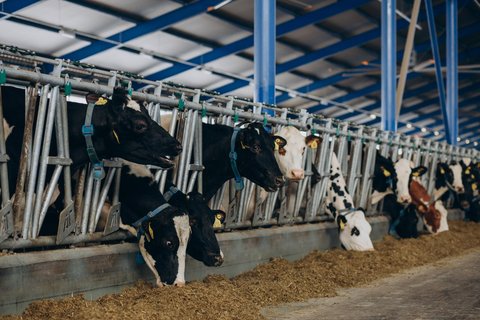
New York's carriage horses live in stables on the west side of Manhattan and walk to work at Central Park through city streets every day. Animal welfare campaigners have long criticised this journey through traffic, as well as cramped stables and the lack of grazing. Supporters of the carriages countered that the horses are checked regularly and sent to the countryside to rest.
Hoof care for city horses
A horse that walks on tarmac every day needs special hoof care. Shoes protect the hoof from wear but need replacing roughly every six to eight weeks. Poor shoeing or neglected hooves lead to lameness, cracks and inflammation. So a farrier and a vet are constant companions for a working horse.
Passenger safety
Romanch Mahajan's death was a reminder that carriage rides also carry risks for people. A horse weighs hundreds of kilos, and if it bolts the driver can't always stop it. In cities where carriages remain, the authorities require insurance and checks on drivers and horses, and restrict routes to keep them away from busy streets.
What happens next
Horse-drawn carriages will continue to operate in New York until 1 June 2028. In that time the city has to buy back licences, help workers and decide the horses' future. City Hall has promised to publish the full transition plan by April 2027. At the same time, the city will study electric carriages.
When to see a vet
If a horse develops lameness, harness sores, rapid breathing at rest, loss of appetite, or signs of colic or overheating, call a vet. Help is needed urgently if a horse stops sweating in the heat, is staggering, keeps lying down and getting up, kicks at its belly or can't get up.
Sources
- The Guardian, 19 November 2026