Contents
- What happened
- The farm worker who fell ill
- Rapid treatment
- Not a cause for alarm
- How the outbreak in cows was found
- Protecting workers
- Six weeks of monitoring
- Where the virus came from
- An isolated farm
- Bird flu in cows
- Human cases
- Risk to the public
- Why a double infection is dangerous
- The outbreak in Florida
- How the company is coping
- Egg prices
- Too many eggs
- The US season
- Risk to cats
- Raw milk and raw food
- Signs in cats
- What this means for Europe
- European farms
- What owners should do
- What happens next
- When to see a vet
What happened
Two important bird flu events took place in the US within two days. On 18 November Cal-Maine Foods, the country's biggest egg producer, reported an outbreak on its farm in Florida. On 19 November Oregon's health authorities confirmed the state's first human case of the year, a dairy worker.
The farm worker who fell ill
The worker is employed on a dairy farm in Morrow County in north-eastern Oregon. He has conjunctivitis, an inflammation of the eyes, and upper respiratory symptoms. He wasn't admitted to hospital. It's the first known case in Oregon of the virus passing to a person from a cow.
Rapid treatment
Health officials said they were able to identify the case quickly and give the worker the antiviral oseltamivir. It works best when started early. The drug was also offered to the worker's family members as a precaution.
Not a cause for alarm
Melissa Sutton, medical director for respiratory viruses at the Oregon Health Authority, said the case was not a cause for alarm. “On the contrary, it's proof that our surveillance and response system is working,” she said. The aim is for all farm workers with symptoms to be treated quickly.
OPB, Food Dive, Al Jazeera; 20 November 2026
How the outbreak in cows was found
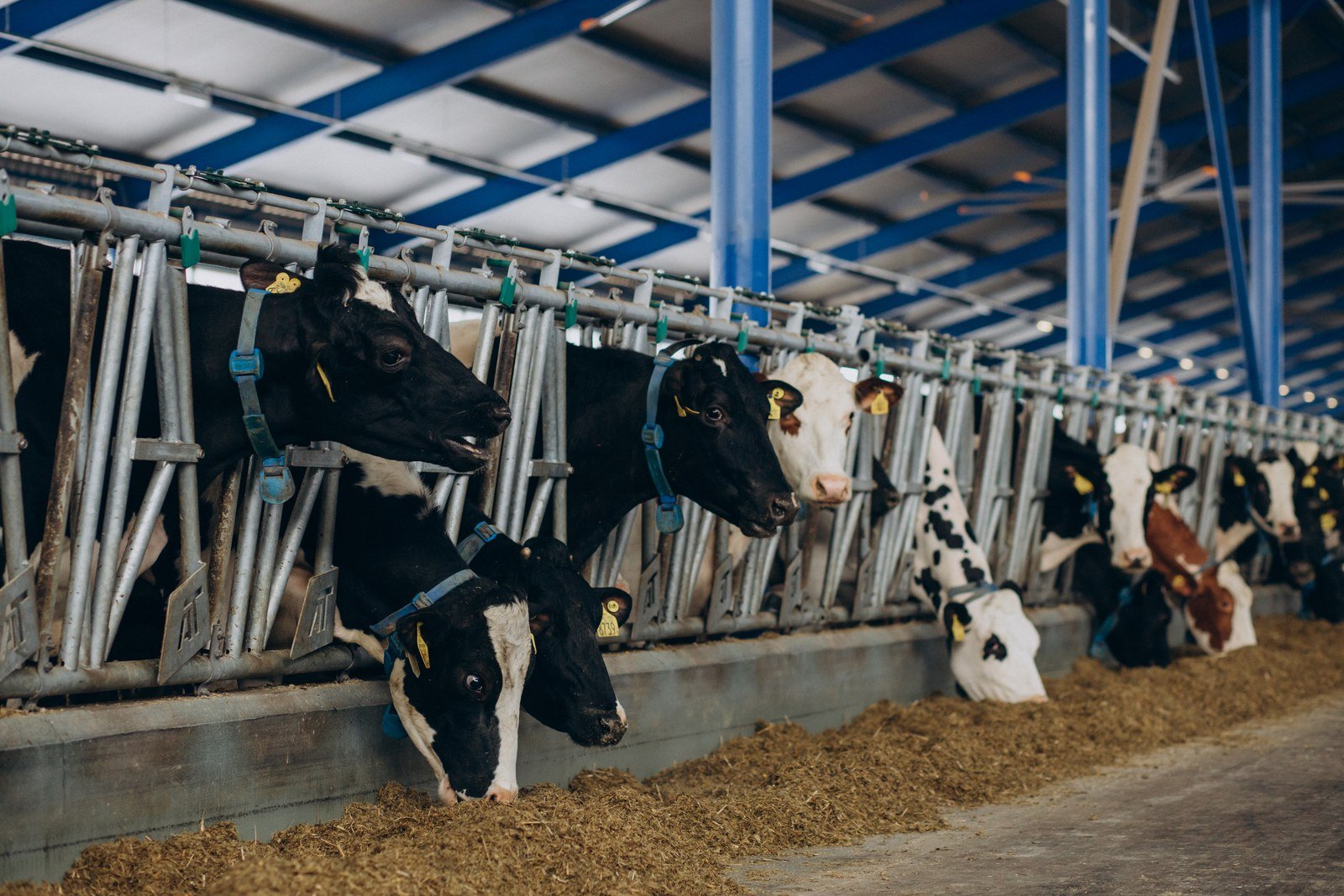
The Oregon Department of Agriculture tests milk from every dairy farm in the state for bird flu each week. In early November one of these routine tests detected the virus on a farm in Morrow County. It was Oregon's first outbreak in cows. The farm was placed under quarantine.
Protecting workers
After the outbreak was found, the state and health services gave the farm's workers protective equipment and explained which symptoms to look out for and how to report them. State veterinarian Ryan Scholz said workers were being asked to report even mild symptoms. “We don't want to miss a case and be late with help,” he explained.
Six weeks of monitoring
State epidemiologist Dean Sidelinger said health workers would stay in contact with the farm for at least another six weeks, offering testing and treatment so that any new human cases are picked up in time. No other infected herds were found in Oregon in the two weeks after the first outbreak.
Where the virus came from
Genetic analysis showed that the Oregon outbreak is linked to one in the Yakima Valley in neighbouring Washington state, where the virus was recently found in dozens of herds. However, no cattle from Yakima were brought onto the farm. Scholz believes the virus may have arrived on dirty footwear, vehicles or poorly cleaned equipment.
An isolated farm
According to Scholz, the Morrow County farm is fairly isolated, which he hopes will reduce the risk of spread to other farms in the state. He considers the risk to workers on other farms to be relatively low.
Bird flu in cows
Since 2024 the H5N1 bird flu virus has been spreading among dairy cows in the US. It's usually not fatal for cows, but it affects the mammary gland and udder, causing mastitis. Milk yields drop sharply and the milk changes colour and consistency. The highest amounts of virus are found in milk, so milking parlour workers are most at risk.
Human cases
According to the US Centers for Disease Control and Prevention, 74 human cases of bird flu have been confirmed in the country since February 2024. Most of those who fell ill had close contact with poultry or cows. Three people have died, including a farm worker in the Yakima Valley in Washington state.
Risk to the public
The virus can't yet spread from person to person. Oregon's health authorities rate the risk to the public as low. People who work with cows and poultry are advised to get a seasonal flu vaccine. It doesn't protect against bird flu, but it reduces the risk of catching both types of flu at once.
Why a double infection is dangerous
If a person is infected with seasonal and bird flu at the same time, the viruses can swap parts of their genome. Scientists fear that this could allow bird flu to gain the ability to spread between people. That's why seasonal flu vaccines for farm workers are so important.
The outbreak in Florida
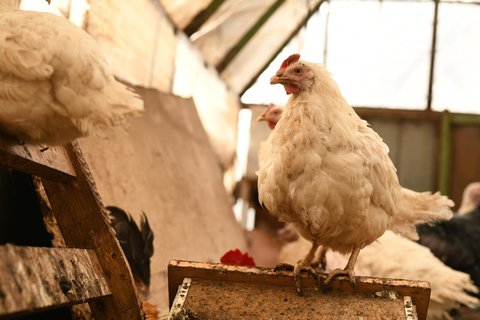
On 18 November Cal-Maine Foods reported bird flu on one of its farms in Florida. The company will cull around 1.76 million birds: about 1.4 million laying hens and 360,000 pullets. That's 2.7% of the company's entire flock. Production on the farm has been temporarily halted.
How the company is coping
Cal-Maine said it would limit the impact by redistributing production and supplies among its other farms. The company stressed that it follows strict biosecurity measures, but that no farm is completely protected from the virus. Its shares even rose after the announcement.
Egg prices
After the wave of bird flu in late 2024 and early 2025, around 50.7 million laying hens in the US died or were culled, and the price of a dozen eggs hit a record $6.23 in March 2025. Producers have since rebuilt their flocks, and in October 2026 a dozen cost $2.32 on average.
Too many eggs
Cal-Maine's chief executive Sherman Miller said in October that the industry was prepared for bird flu and was currently suffering more from a glut of eggs. “Supply remains greater than even healthy demand can absorb,” he said. So a single outbreak is unlikely to push prices up much, but a big new wave could cause shortages again.
The US season
Since August, according to the US Department of Agriculture, bird flu has been found in 33 commercial flocks. In total, around 21.5 million birds have been affected this year. Outbreaks usually become more frequent in autumn and winter, during wild bird migration.
Risk to cats
In the US, bird flu has been found many times in pet cats. They became infected by drinking raw milk from sick cows, eating raw food made from infected poultry or catching sick birds. In cats the disease is often severe and fatal. It's an important reminder for cat owners in Europe too.
Raw milk and raw food
Vets warn: don't give cats and dogs raw milk or raw poultry meat, especially in areas with outbreaks. Pasteurisation and cooking kill the virus. If you feed your pet a raw diet, choose products that have undergone treatment to reduce the risk, and keep an eye out for product recalls.
Signs in cats
In cats, bird flu shows up as a high temperature, lethargy, loss of appetite, difficulty breathing and discharge from the eyes and nose. Neurological signs often appear: an unsteady gait, seizures and blindness. The disease progresses quickly, so it's important to see a vet straight away.
What this means for Europe
European veterinary services are watching events in the US closely, because the virus has been spreading among dairy cows there for two years. The European Food Safety Authority and national services are studying the risk of the virus reaching cows in the EU and preparing for that scenario. Every human case in the US is examined to understand how the virus is changing. In Great Britain, H5N1 was detected in a sheep in Yorkshire in 2025, the country's first case in livestock.
European farms
Meanwhile, the bird flu season among poultry is raging in Europe. France, Ireland, Wales, England and Northern Ireland have brought in mandatory housing for hens, and Germany and the Netherlands are confirming new outbreaks on farms. Cal-Maine's experience shows that even large companies with strict biosecurity aren't immune.
What owners should do
- Don't give pets raw milk or raw poultry meat.
- Don't let cats hunt birds during the outbreak season.
- Keep backyard hens under cover if the authorities require it.
- Wash your hands after contact with poultry and farm animals.
- Tell your vet about sudden deaths among birds or illness in your cat.
What happens next
In Oregon, health workers will monitor the Morrow County farm workers for at least another six weeks. Cal-Maine is culling the birds in Florida and redistributing production. The US Department of Agriculture expects new outbreaks during the bird migration season.
When to see a vet
If your cat has drunk raw milk, eaten raw poultry or caught a bird and develops a temperature, lethargy, difficulty breathing, seizures or vision problems, see a vet urgently and mention the possible contact. The sudden death of several hens is a reason to contact a vet straight away.
Sources
- OPB, 20 November 2026
- CIDRAP, 20 November 2026
- Food Dive, 19 November 2026
- Al Jazeera, 18 November 2026