
Veterinary care in the UK · Vet services
Neutering your cat or dog in the UK: when to do it, what it involves and how to help recovery
Neutering is one of the most common operations carried out at UK veterinary practices. For most owners it is a once-in-a-lifetime decision, yet it raises plenty of questions: when is the right age, does it change a pet's character, how long does recovery take and what does it cost? This guide explains what neutering involves for cats and dogs, the benefits and the points to discuss with your vet, so that you can make a decision that suits your own pet.
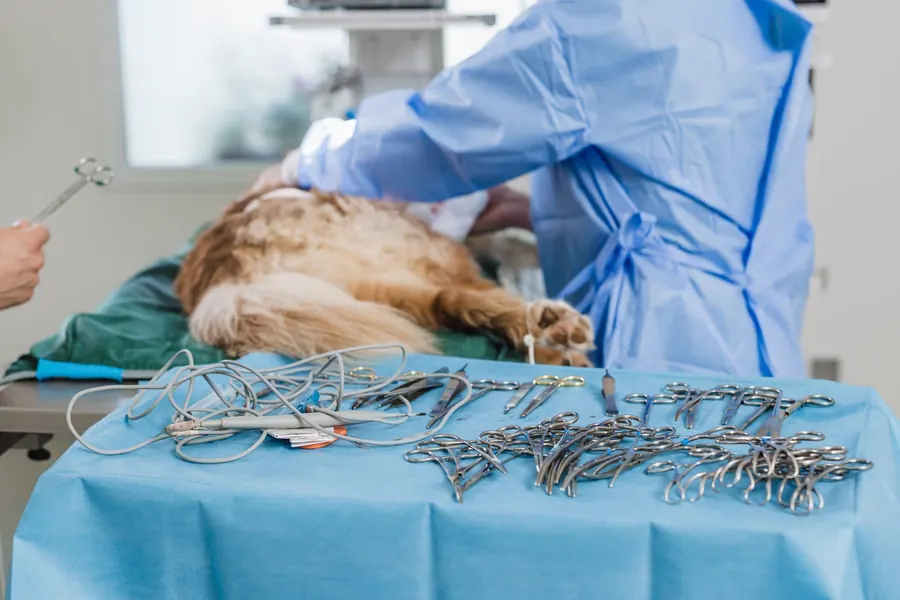
Neutering is carried out under a general anaesthetic, and most pets go home the same day.
What neutering means
Neutering is the surgical removal of an animal's reproductive organs so that it can no longer breed. In males the operation is called castration and removes the testicles. In females it is called spaying and removes the ovaries, and often the womb as well.
The operation is carried out under a general anaesthetic. Your pet goes home the same day in most cases, after a check that they have woken up properly from the anaesthetic.
Neutering cats
Cats mature quickly and can become pregnant very young, so the UK's leading charities recommend early neutering. The PDSA advises that all cats are neutered at around four months old, unless your vet advises otherwise. Your vet may suggest waiting a little longer if your kitten is particularly small for their age or has been unwell.
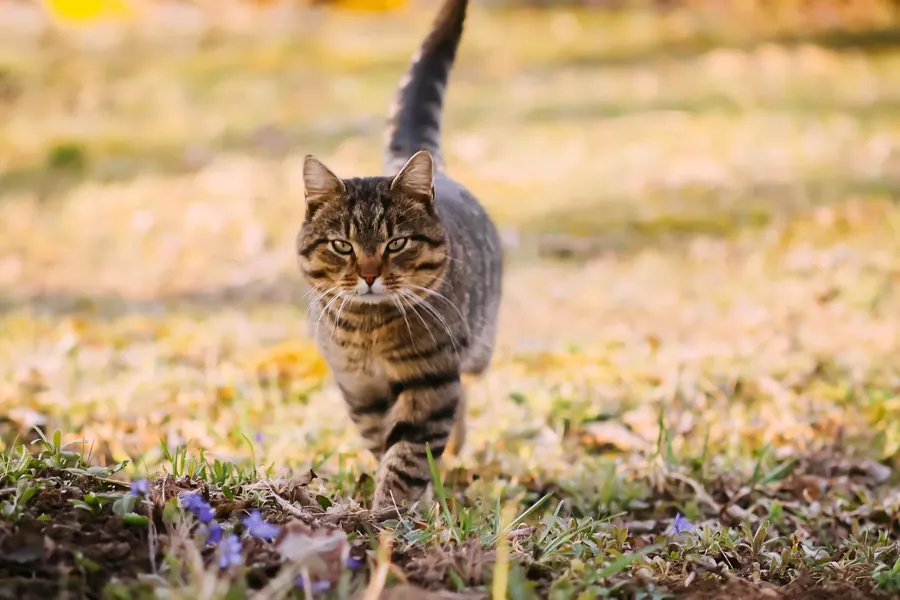
The PDSA lists these benefits of neutering cats:
- it prevents unwanted pregnancies;
- it prevents cancer of the ovaries and uterus in females, and testicular cancer in males;
- it reduces roaming away from home;
- it reduces fighting and aggression;
- it reduces the chance of catching Feline Immunodeficiency Virus (FIV), which spreads mainly through bites during fights.
An entire tom cat is also more likely to spray urine to mark territory, and an entire female will come into season repeatedly and call loudly for a mate. Neutering usually makes life calmer for the cat and the household.
Many owners worry that a kitten is too young at four months. Neutering at this age is routine in the UK and allows the operation to happen before a kitten can become pregnant. If you have adopted a kitten from a rescue centre, check whether it has already been neutered: many rehoming charities neuter cats before rehoming.
Neutering dogs
For dogs, the timing is more individual. The PDSA says most dogs can be neutered at around six months old, but that the timing should always be discussed with your vet and based on:
- breed and size: your vet may recommend neutering a large breed slightly later;
- behaviour: neutering can improve some unwanted behaviours, but occasionally makes others, such as nervousness, a little worse. If you are considering neutering for a behaviour reason, talk to your vet or a qualified animal behaviourist first;
- weight: overweight or underweight dogs have a higher risk of complications, so it is best to get your dog into good shape first;
- seasons: it is safe to spay a bitch before her first season, but once she has had a season you will usually need to wait about three months, as neutering sooner can cause ongoing hormonal problems;
- health: tell your vet if your dog has been poorly in the days before the operation.
The benefits of spaying a female dog include preventing seasons, pregnancy, false pregnancies and womb infections (pyometra), a serious condition that can be life-threatening. Neutering also reduces the risk of mammary cancer. Castration prevents testicular cancer and can reduce behaviours such as humping.
Neutering and the law
Neutering is generally a choice for the owner, made with their vet. There is one important exception in England and Wales: dogs registered under the XL Bully exemption scheme must be neutered as a condition of their exemption certificate. See our guide to the Dangerous Dogs Act and XL Bully rules for details.
What happens on the day
Your practice will give you instructions before the operation, usually including when to stop giving food. Follow them carefully: an empty stomach makes the anaesthetic safer. Water is usually allowed until the morning of the operation, but check with your practice.
On the day:
- A vet checks your pet and you sign a consent form. This is a good time to ask any last questions.
- Your pet is usually given a sedative and pain relief, then settled into a warm kennel.
- The operation is carried out under general anaesthetic, with a member of the team monitoring your pet throughout.
- Your pet wakes up under the watch of a vet or vet nurse and recovers in a warm kennel.
- You collect your pet, usually later the same day, and receive instructions for home care.
Ask whether your practice offers pre-anaesthetic blood tests, particularly for older animals. They are not always necessary for a young, healthy pet, but they can help identify hidden problems.
Recovery at home
Most pets recover from neutering quickly, but the first two weeks matter. To help your pet heal:
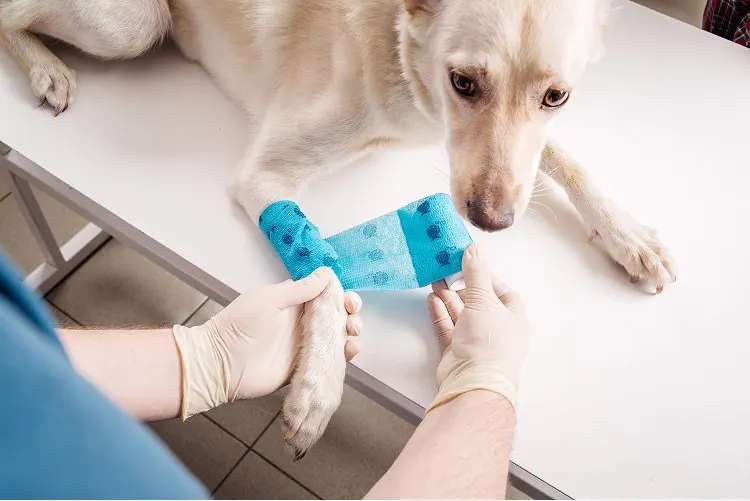
- Keep them quiet and rested. Dogs should have short walks on a lead only, with no running, jumping or rough play, until your vet says otherwise. Cats should be kept indoors.
- Stop licking. Licking or chewing the wound can cause infection or open the stitches. Your vet may supply a cone collar or a body suit.
- Check the wound daily. A little redness is normal at first. Contact your vet if you see swelling, discharge, bleeding or an open wound, or if your pet seems in pain.
- Feed a small meal on the first evening, then return to normal portions.
- Attend post-operative checks. Most practices check the wound after a few days and remove stitches, if needed, after about ten days to two weeks.
Contact your vet straight away if your pet is very sleepy the day after the operation, refuses food for more than a day, vomits repeatedly, has pale gums or has a swollen tummy.
Weight after neutering
Neutered pets often need fewer calories. Without adjusting food, many put on weight, which increases the risk of joint problems, diabetes and other conditions. Weigh your pet regularly after neutering, reduce portions if needed and ask your vet or vet nurse for advice. Many practices run free weight clinics.
Common myths
"It's better to let a female have one litter first." There is no health benefit to having a litter before spaying, and every pregnancy carries risks.
"Neutering will change my pet's personality." Neutering affects behaviours driven by sex hormones, such as roaming, mounting and marking. It does not change your pet's basic character, although, as the PDSA notes, it can occasionally make nervous behaviour worse in some dogs.
"Indoor cats don't need neutering." Indoor cats still come into season, may spray and can escape. Neutering is recommended for indoor and outdoor cats alike.
What neutering costs and where to find help
Prices vary between practices and depend on the species, sex and size of your pet; spaying usually costs more than castration because it is a bigger operation. Ask your practice for a written estimate. Some practices include neutering in a monthly health plan.
If you are on a low income, help may be available:
- PDSA offers low-cost treatment, including neutering, to eligible owners who receive certain benefits and live in the catchment area of a PDSA Pet Hospital or Pet Care Scheme practice.
- Cats Protection and local cat charities often run neutering voucher or low-cost neutering schemes.
- Local rescue centres sometimes offer help with neutering costs in their area.
See our guide to help with vet bills for more detail.
Ireland
In the Republic of Ireland, the same veterinary principles apply and neutering is widely recommended by Irish animal welfare charities. Ask your vet about timing and check with local charities for low-cost schemes.
Frequently asked questions
At what age should I neuter my kitten?
The PDSA recommends neutering cats at around four months old, unless your vet advises otherwise.
When should I neuter my dog?
Most dogs can be neutered at around six months old, but the right time depends on breed, size, weight, behaviour and, for females, when she last had a season. Discuss the timing with your vet.
How long does recovery take?
Most pets are back to normal within about ten days to two weeks. Keep your pet quiet, stop them licking the wound and attend post-operative checks.
Will my pet get fat after neutering?
Neutered pets often need less food. Monitor their weight and adjust portions with your vet's advice.
Can my bitch be spayed while she is in season?
Usually not. Once a bitch has had a season, vets generally wait about three months before spaying.
Sources
- Cat neutering – a guide to castration and spaying, PDSA, accessed 2026-11-15.
- Dog neutering – a guide to castration and spaying, PDSA, accessed 2026-11-15.
- Pyometra (infected womb) in dogs, PDSA, accessed 2026-11-15.
- Ban on XL Bully dogs, Department for Environment, Food & Rural Affairs, accessed 2026-11-15.
- Our services, PDSA, accessed 2026-11-15.
 Law and rulesFireworks and pets in the UK: the rules, the season and how to keep your pet calmUK firework rules and curfews, when fireworks season happens, how to prepare dogs, cats and small pets, building a den and when to ask your vet for help.
 Law and rulesPet theft in the UK: how to protect your pet and what to do if it is stolenHow to protect your dog or cat from theft, what the Pet Abduction Act 2024 changed, why microchips and ID tags matter and what to do if your pet is stolen.
 Law and rulesRenting with pets in England: your rights under the Renters' Rights Act and how to make a requestHow the Renters' Rights Act changes renting with pets in England from May 2026: asking to keep a pet, valid reasons to refuse and practical tips.