Contents
- What happened
- Where the disease came from
- What enzootic pneumonia is
- How it spreads
- Why the measures are so strict
- What will happen to the farm
- Why fattening networks matter
- How the cantonal group works
- How to recognise the disease
- What pig keepers should do
- If you have a mini pig
- Is it dangerous to people or meat?
- How it differs from African swine fever
- Why this disease is common in the EU
- Conditions that help protect the lungs
- What clearing out means for the animals
- What happens to the carcasses
- How a holding is cleared out
- What vets ask
- If you're buying piglets
- What this means for Europe
- When to see a vet
What happened
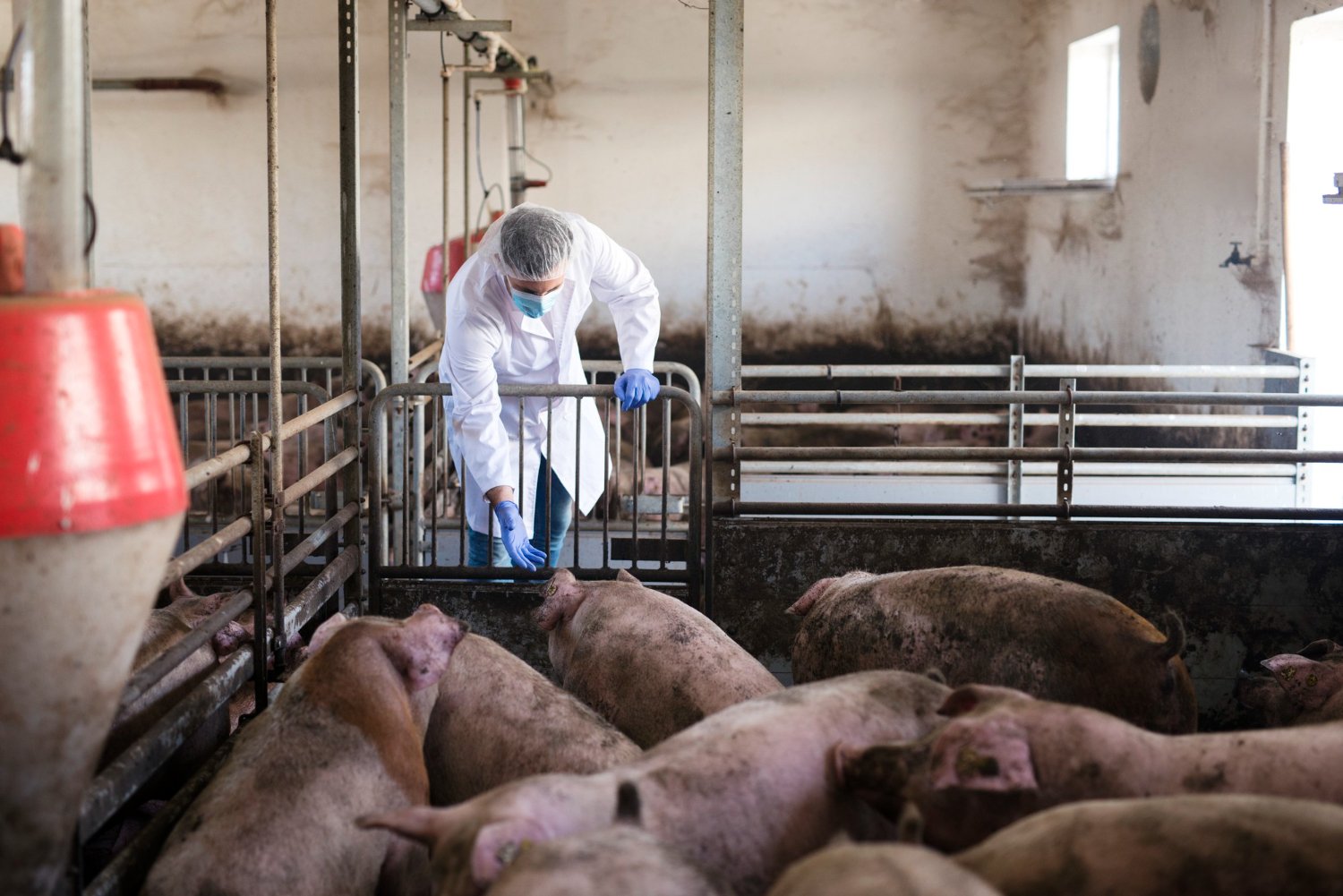
In early November 2026 the authorities in the Swiss canton of Basel-Landschaft reported that enzootic pneumonia had been found on a pig fattening farm. To stop it spreading further, the Office for Food Safety and Veterinary Affairs ordered the holding to be completely cleared out. About 750 pigs were culled.
The cantonal vet issued this order under the Animal Diseases Ordinance. The farm is now being cleaned and disinfected. The authorities aren't saying exactly where it is.
Canton of Basel-Landschaft; November 2026
Where the disease came from
The outbreak is linked with another one found in early September 2026 in an inter-cantonal network of pig farmers. This farm was already under monitoring and a precautionary movement ban. According to the local press, the link runs through a holding in the canton of Lucerne. The authorities are continuing to trace animal movements between holdings in the network.
What enzootic pneumonia is
This is a contagious respiratory disease of pigs caused by the bacterium Mycoplasma hyopneumoniae. The main signs are a dry cough, difficulty breathing and slower growth. The disease rarely kills on its own, but makes animals more vulnerable to other infections and reduces weight gain. So the main losses come not from deaths but from the quality and length of fattening.
How it spreads
The bacterium spreads mainly through close contact between pigs, in droplets from coughing and breathing. The risk is highest when animals from different groups are mixed. The pathogen can sometimes also travel through the air between farms close together. An animal can look healthy but still be a carrier, so buying piglets from an unreliable source is the main way the disease gets into a herd.
Why the measures are so strict
Switzerland achieved the status of a country free of enzootic pneumonia through a long-running eradication programme, and now protects that status. So when the infection is found, the holding is completely cleared out rather than treated. To neighbouring countries where the disease is widespread, this strictness may seem unusual, but it's what allows Swiss pig farmers to use antibiotics less often.
What will happen to the farm
After cleaning and disinfection, the cantonal service will carry out an official inspection. New pigs can only be brought in after being empty for at least ten days and with the office's permission. The empty period ensures the bacterium doesn't survive in the building: it doesn't last long outside an animal's body, but bedding, dust and equipment can carry it. For the farmer, this means several weeks without income.
Why fattening networks matter
In inter-cantonal networks, piglets from some holdings are passed to others for fattening. This is convenient and economical, but one infected batch quickly carries the infection across several cantons. So vets work out in detail which batches went where, and temporarily close linked holdings. The more accurate the movement records, the sooner the disease can be stopped.
How the cantonal group works
A working group on animal diseases was set up in the canton of Basel-Landschaft a year ago. It coordinates the work of the veterinary office, the agricultural centre and the forestry service, and works with farmers' associations. A group like this is also useful for other risks: African swine fever, foot-and-mouth disease and bird flu. Preparing in advance saves time when every day counts.
How to recognise the disease
Keepers should be alert if several pigs begin coughing at once, especially in the morning and when moving, are growing slowly and eating less, and deaths can't be explained by other causes. A laboratory makes the final diagnosis, which requires samples from the nose or lungs or a blood test. Without confirmation, antibiotic treatment shouldn't be started, as it may mask the disease.
What pig keepers should do
- Buy piglets only from checked holdings with a known status.
- Keep new animals apart in quarantine.
- Limit visitors and require a change of clothes and footwear.
- Keep records of movements and of coughing in groups.
- Tell your vet about suspicions straight away, without waiting for deaths.
If you have a mini pig
Mini pigs kept as pets are still pigs in the eyes of the law. Disease rules apply to them too: the animal must be registered where required, and mustn't be fed kitchen waste, especially meat. It's best to limit a mini pig's contact with other pigs on farms and at shows. If it's coughing, refusing food or lethargic, call the vet.
Is it dangerous to people or meat?
Mycoplasma hyopneumoniae affects pigs and isn't considered dangerous to people. Meat is safe after normal cooking, and animals from infected holdings are checked by vets. So the outbreak mainly concerns herd health and farm finances, not shoppers' safety. The authorities are giving no extra advice to consumers.
How it differs from African swine fever
Enzootic pneumonia shouldn't be confused with African swine fever, which is now actively spreading in Europe. Swine fever is caused by a virus and often kills almost the whole infected herd, so it brings wide restrictions. Pneumonia is milder and is caused by a bacterium. The two diseases have just one thing in common: the importance of farm biosecurity.
Why this disease is common in the EU
Enzootic pneumonia is widespread in many EU countries. It's often kept in check there through vaccination and better housing, rather than culling the herd. Pigs on such farms may grow more slowly, and vets have to give treatment more often. The comparison with Switzerland shows the price of the choice: strict measures are expensive when an outbreak happens, but they safeguard herd health in the long term.
Conditions that help protect the lungs
Pigs' lungs are sensitive to dust, ammonia, draughts and temperature swings. Good ventilation, dry bedding and moderate stocking density reduce the severity of infection. An all-in, all-out system, in which a group arrives and leaves together and the building can be washed, also reduces the risk. These measures cut the need for medicines for any respiratory infection.
What clearing out means for the animals
Culling 750 animals is hard news for the farmer and for everyone who cares about welfare. These decisions are taken to protect other herds. It's important that slaughter follows the rules, with minimum stress and a vet present. Animal welfare groups often ask whether such measures are justified for a disease that rarely kills, and this debate will go on.
What happens to the carcasses
Animals from infected farms usually go to controlled slaughter or disposal under the rules. The authorities make the specific decision depending on the disease and the animals' condition. The canton's statement doesn't give details on this. The keeper is entitled to compensation under Swiss rules, but it doesn't cover all losses: empty periods, restocking and gaps in batches often remain at the keeper's own expense.
How a holding is cleared out
Full clearance means the animals are taken away, manure and bedding are removed under special rules, and buildings are washed, disinfected and inspected. Feeders, drinkers, tools and vehicles are treated separately. The cantonal service checks everything has been done properly, and only then gives permission for a new batch. For the farmer this means weeks of work and idle buildings, so movement records and cleanliness become a form of everyday insurance.
What vets ask
During an investigation, vets find out where the piglets came from, which vehicles came onto the farm, which workers have been in other pig sheds and how the ventilation is set up. Even small details matter: a shared loading area or a neighbour who swapped tools. The answers help them work out which other farm to check. The more honestly and quickly a farmer answers, the fewer holdings will come under restrictions.
If you're buying piglets
Ask the seller about the herd's health and documents. Keep new piglets apart, call the vet straight away if there's coughing, and don't mix groups until you have the test result.
What this means for Europe
The Swiss case is a reminder that a country can stay free of an infection for years, and a single batch of animals can bring it back. For European farmers, it's a reason to check where their piglets come from, how records are kept and how quarantine is organised. The same measures also protect against the far more dangerous African swine fever, which remains the industry's main threat.
When to see a vet
See a vet if several pigs develop a cough, especially a dry one and when moving, difficulty breathing, reduced appetite or slower growth. If pigs die suddenly or have a high temperature, bleeding into the skin or mass refusal of feed, call immediately, as African swine fever and other dangerous diseases must urgently be ruled out. Until the vet arrives, don't move animals or let outsiders in.
Sources
- Badische Zeitung, 3 November 2026