Contents
- What happened
- Why 200 is a big number
- Who's hunting
- How many wild boar there are
- How many samples have been tested
- What African swine fever is
- How the disease reached Finland
- What pig keepers face
- What pig keepers should do
- What hunters should do
- What dog owners should do
- If you find a dead wild boar
- Walks and picking mushrooms and berries
- How the disease spreads among wild boar
- Why fences and zones
- What about mini pigs at home?
- Is wild boar meat safe to eat?
- What to expect this winter
- How the disease affects local people
- What this means for Europe
- When to see a vet
What happened
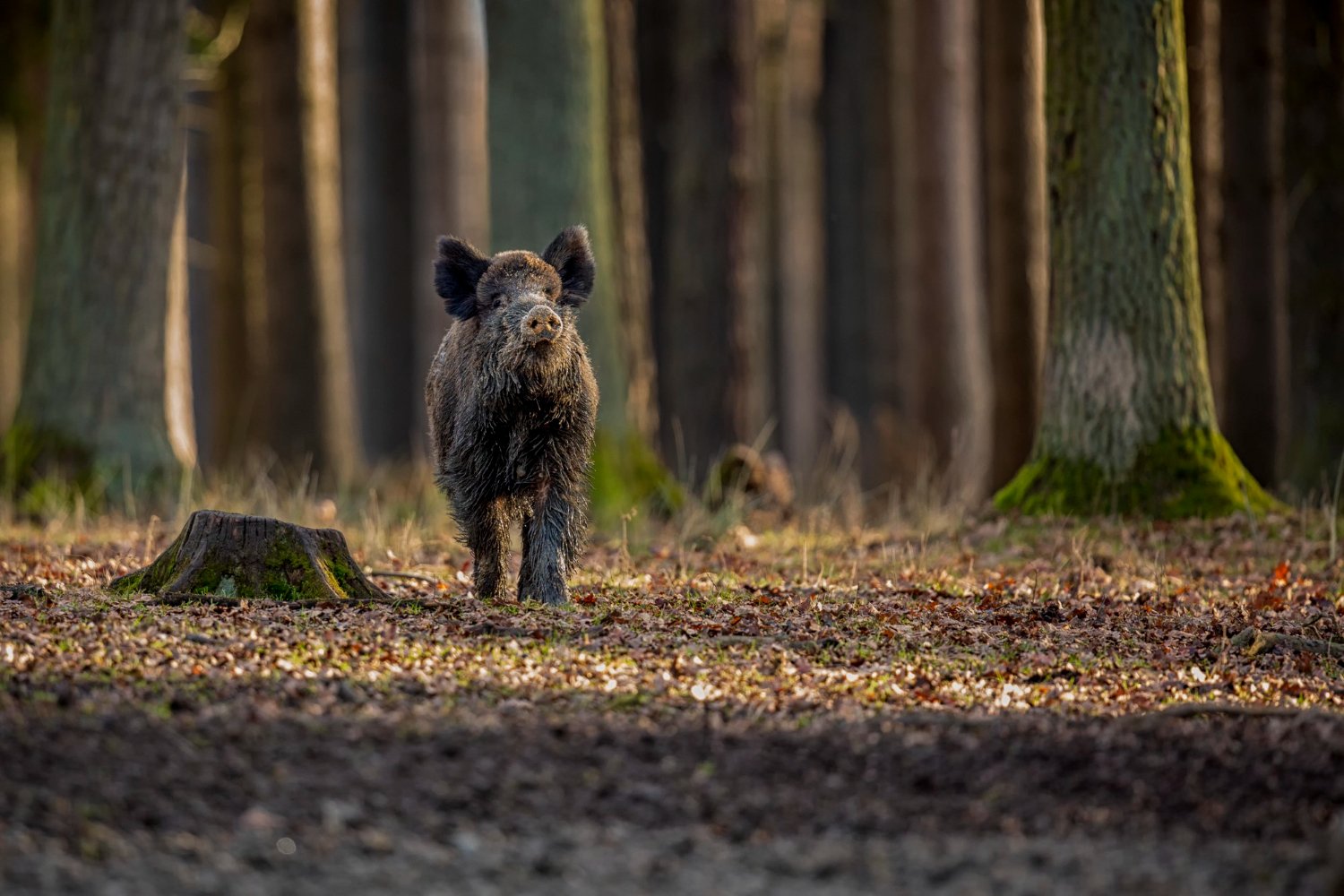
On 3 November 2026 the Finnish newspaper Ilta-Sanomat, citing the Finnish Wildlife Agency, reported that hunters have stepped up wild boar hunting around the African swine fever infected zone in the south-east of the country. From August to October, almost 200 wild boar were shot outside the zone.
The aim of this hunting is to keep the disease from moving out of south-east Finland into other parts of the country. In late October the Finnish Food Authority, Ruokavirasto, said the spread of the virus hadn't yet been brought under control.
Wildlife Agency, Ruokavirasto; November 2026
Why 200 is a big number
According to Lauri Peippo, who's responsible for game in south-east Finland, the result is significant because restrictions mean hunting is taking place over a smaller area than last year. Together with almost a hundred wild boar shot inside the zone under Ruokavirasto's direction, that makes almost 300 animals since early August. About 200 were taken in the same period last year.
Who's hunting
Peippo says the boar are mainly being taken by people who were already experienced at hunting them. For others, hunting wild boar isn't so easy: it requires dogs, the right weapon and skill, and has to be done under special rules. In the infected zone Ruokavirasto directs the hunting, and the animals can't simply be taken home, as checks and controls are needed.
How many wild boar there are
The Natural Resources Institute Finland, Luke, estimates there were just under 2,400 wild boar in Finland in January 2026. About a thousand have been taken nationwide since the start of the year. That's very few compared with Poland or Germany, but Finland wants to keep numbers at this level and reduce them further in the south-east, so that it's harder for the virus to pass from animal to animal.
How many samples have been tested
This year Ruokavirasto has tested samples from 1,134 wild boar, and found the disease in 83 of them. The number of tests rose in September and October. The authorities pay a hunter or hunting club €500 for each sample submitted, and the sum was raised in September. This helps show where the edge of the virus's spread really lies.
What African swine fever is
This is a haemorrhagic viral disease of pigs, wild boar and mini pigs, with mortality of up to 100%. It isn't dangerous to people or other animals, but they can carry the virus. There's no vaccine, and the virus survives well in meat, meat products, blood, carcasses and on objects. So the most important thing in fighting the disease is to keep animals and people away from infected zones.
How the disease reached Finland
Ruokavirasto confirmed the country's first case of African swine fever in late July 2026. The infected zone runs along the south-east, with an even stricter core zone inside it. Restrictions on hunting, dog walking and forestry work may apply in this area. The rules may change, so it's worth checking the current map on Ruokavirasto's website.
What pig keepers face
Finland has few pig farmers, but the industry depends heavily on its health status. If the virus reaches a farm, the whole herd will have to be culled, restricted zones will be set up and exports will be at risk. So the main task for farmers is to prevent contact between pigs and anything that may be infected: feed, straw, vehicles or hunting equipment.
What pig keepers should do
- Strengthen your fencing: wild boar mustn't be able to touch your pigs.
- Don't feed pigs kitchen waste or meat.
- Change clothes and footwear before going into the pig shed.
- Don't come to the farm straight after hunting or a walk in the forest.
- Report deaths, fever or bruising to your vet immediately.
What hunters should do
Hunters are advised to wash and disinfect equipment, footwear, vehicles and dog collars, and to butcher carcasses only where permitted. Send in samples, as this helps everyone. If you hunt and keep pigs, keep your clothes and vehicles separate, and don't go into the pig shed for at least several days after hunting. In the infected zone, follow the special instructions.
What dog owners should do
Dogs don't get African swine fever, but they can bring the virus back on their coat, paws and collars. In the infected zone, follow the rules on leads and routes. Don't let your dog root around dead wild boar or eat carrion or bones. If your dog has had contact with a carcass, wash it and keep it away from pigs. Hunting dogs need their own clean collars and travel crates.
If you find a dead wild boar
- Don't touch or move the carcass.
- Photograph it and note the coordinates.
- Report it to Ruokavirasto or a local vet.
- Take your dog away and wash your shoes before going near domestic animals.
A report like this helps to spot the virus spreading to new areas sooner.
Walks and picking mushrooms and berries
In autumn the forests are full of mushroom pickers and hunters, and this is another way of carrying the virus on footwear. Follow the current bans within the zones. Outside the infected zone, simply wash your footwear and equipment, and don't leave food waste in the forest or at stopping places, especially meat. A sausage sandwich thrown away by a road has already led to wild boar being infected in other countries.
How the disease spreads among wild boar
Animals become infected through contact with each other and with the carcasses of dead boar. The virus can survive in carcasses for weeks and months in cold weather. So finding and removing carcasses is just as important as hunting. In autumn and winter wild boar form groups and move around looking for food, so the risk of spread may rise in winter.
Why fences and zones
Finland is using the experience of other countries: fences, core zones, controlled hunting and carcass searches. In Belgium and Sweden this package of measures helped rid wild boar of the virus, though it took years in Belgium. In Poland, Germany and the Baltic countries the fight goes on. The chances of success are higher where the response is quick and there are relatively few wild boar.
What about mini pigs at home?
Mini pig owners in Finland must follow the same rules: register the animal, don't feed meat waste, prevent contact with wild boar and report illness. If a mini pig goes outdoors, it needs a sturdy double fence, so that a wild boar can't even touch it through the mesh. If it has a high temperature and is lethargic, call the vet straight away.
Is wild boar meat safe to eat?
The virus isn't dangerous to people, but meat from infected animals can't be sold or taken out of the area. In the infected zone, handling of hunted animals is governed by rules and they can't be passed on without permission. Outside the zone, hunters are advised to send in samples, cook meat thoroughly and not give raw scraps to pigs or other animals.
What to expect this winter
Experts expect winter to be a test: animals will stay near feeding sites, and snow cover will make carcass searches harder. Ruokavirasto and the Wildlife Agency will keep monitoring and change zone boundaries as new results come in. The more people report finds and send samples, the sooner the spread of the virus can be stopped.
How the disease affects local people
In restricted areas people see more warnings, closed routes and requests to wash their footwear. For hunters and forestry workers it's extra work, and for farmers it's constant worry. The authorities ask people not to treat the restrictions as a formality, as one wrong step can carry the virus dozens of kilometres. It's best to check the zone map before a trip to a summer cottage or a hunt.
What this means for Europe
The disease's appearance in the north shows that the virus hasn't stopped at the latitude of the Baltic. Finland's experience will be useful for Sweden, where the disease has already been eradicated, and for other countries with small wild boar populations. The main lesson for all of Europe remains the same: a sandwich, a shoe or a carcass in the forest can be just as dangerous as a live animal.
When to see a vet
Tell a vet immediately if a pig or mini pig has a high temperature, is lethargic, refuses food, has bruising on the skin, is vomiting or has diarrhoea, or in case of sudden death. See a vet with your dog if it has eaten carrion or bones and then develops vomiting or diarrhoea: the disease isn't dangerous to dogs, but carrion can contain other pathogens.
Sources
- Ilta-Sanomat, 3 November 2026