Contents
- What happened
- A £2,000 puppy
- Pneumonia within two days
- What the buyer saw
- How breeders are licensed in England
- What the council vets wrote
- "A puppy farm masquerading as a breeder"
- A caesarean to save time
- Euthanasia without tests
- The council renewed the licence
- The adverts stayed the same
- No central list
- Dogs that died young
- 17 dogs did not reach eight
- Other buyers
- Undercover camera
- An expert's view
- Licence not on display
- 15 breeders with inflated ratings
- And among four-star breeders
- Why puppy farm puppies cough
- Cardiomyopathy in Dobermanns
- How to check a breeder in England
- What to ask a breeder
- The first days at home
- Buyer's rights
- What this means for Europe
- What happens next
- When to see a vet
What happened
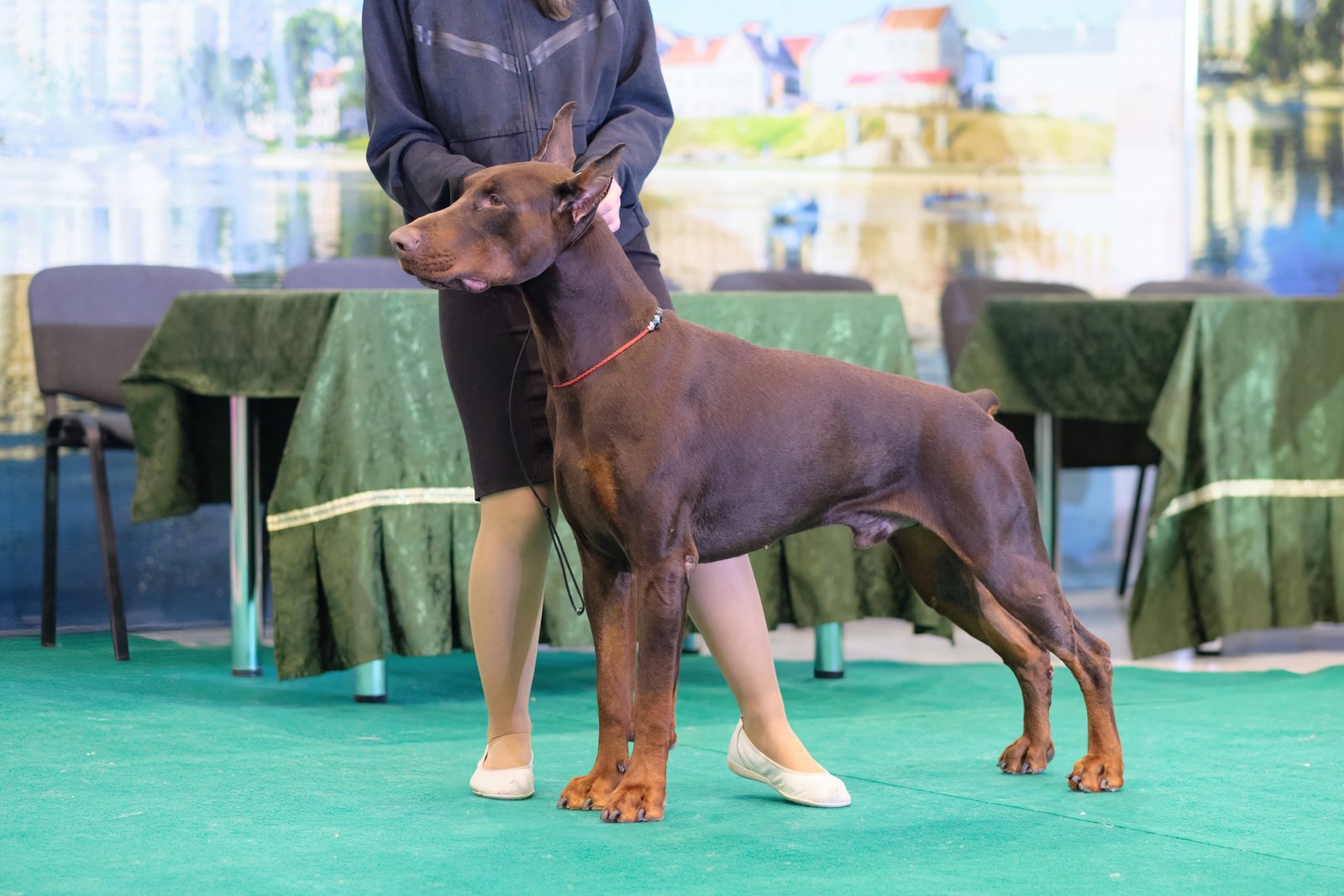
On 24 November the BBC published an investigation into a Dobermann breeder from Whitby in North Yorkshire. Journalists found that he sold sick puppies and kept calling himself a "five-star" breeder, although the local council had downgraded him to one star. The breeder did not respond to the BBC's request for comment.
A £2,000 puppy
A woman from Harrogate paid £2,000 for a nine-week-old Dobermann for her son. She knew it was a premium price but believed she was buying from a vetted, council-licensed breeder. The puppy, Ozzy, started coughing in the car on the way home.
Pneumonia within two days
Within 48 hours the puppy was in a veterinary hospital receiving urgent treatment for pneumonia. Since then his health problems have continued. His owner says she has spent more than £5,000 on vet bills — two and a half times the price of the puppy.
What the buyer saw
At the breeder's premises the woman noticed that the puppies' mother looked unwell: thin and shaking. But she says the seller was pushing her to buy, and she took the puppy home the same day. Beforehand she had checked his licence number, website and adverts, which mentioned "five stars".
How breeders are licensed in England
In England, dog breeding licences are issued by local councils. Together with the licence, breeders receive a rating from one to five stars. It depends on how the animals are kept. Five stars means the highest standards; one star means minor failings.
BBC; 24 November 2026
What the council vets wrote
The BBC saw reports by North Yorkshire Council vets from August and December 2025. They raised dozens of concerns: living conditions "akin to a prison", dogs in cages stacked on top of each other, cages so small the animals could not turn around. The vets noted deteriorating health and "sad" dogs.
"A puppy farm masquerading as a breeder"
The vets wrote that puppies for sale did not match their descriptions — "in other words it is a scam". Buyers, they said, could easily purchase an unhealthy puppy without suspecting it. The report described the business as "more or less a puppy farm masquerading as an honest and conscientious breeder".
A caesarean to save time
According to the reports, the breeder pressured a local vet into performing an unnecessary caesarean section on one of his dogs so that he would not have to spend long monitoring the birth. He also obtained several doses of a powerful stimulant from the practice and gave it to a dog at home. The vet considered this negligent.
Euthanasia without tests
The reports also describe a three-year-old dog. The breeder suspected a neurological condition and had her put to sleep, although the vet had advised tests and specialist treatment first. The reports concluded that the business was "functioning outside the law".
The council renewed the licence
After these reports, the council nevertheless renewed the licence in January but cut the rating from five stars to one. The council told the BBC that the threshold for revoking a licence "was not considered to have been met" on the evidence available. Since the inspections, it says, standards have "significantly improved".
The adverts stayed the same
The BBC gathered evidence that the breeder continued selling puppies while calling himself five-star on his website and in person. He later updated his homepage but not the description used by search engines, so the five-star claim still appears next to the link when his business is searched for.
No central list
There is no official list of licensed breeders and their ratings in England, and not all councils publish this information. The buyer took the breeder at his word. "If I'd known he was a one-star breeder, I would never even have gone to the property," she told the BBC, adding that she wants his licence revoked.
Dogs that died young
Another owner said her dog Bentley, bought from the same breeder, died aged three in 2022 of dilated cardiomyopathy, a disease of the heart muscle. Within days of coming home the puppy was very ill, and the vet asked whether he came from a puppy farm.
17 dogs did not reach eight
Owners of 17 dogs from this breeder said their pets died before the age of eight, including 10 before the age of four. A vet report from December 2025 said the breeder was not properly testing his dogs for cardiomyopathy, although his website claimed otherwise.
Other buyers
A woman in Edinburgh bought her puppy a week before Ozzy's owner: he coughed from day one and was later diagnosed with pneumonia and possible heart failure. A woman in York bought hers the day before: the dog was found to have gland problems, a limp and eye ulcers.
Undercover camera
To check the buyers' accounts, the BBC sent reporters posing as buyers to the breeder. He refused to show where the puppies and their mother slept. He said he had another 15 Dobermanns in cages in a back room and that the neighbours would complain if the dogs started barking.
An expert's view
The footage was reviewed by Caroline Allen, founder of the Pet Lighthouse service and former chief veterinary officer of the RSPCA. She called the refusal to show the living conditions the "most serious concern" and a breach of the rules. Two of the puppies, she said, had abnormalities in their eyes.
Licence not on display
The rules require a breeder's licence and star rating to be "clearly and prominently displayed" to customers. During the reporters' visit neither was on display. Allen said she was surprised and shocked that the business had kept its licence at all.
15 breeders with inflated ratings
The BBC checked a list of 806 breeders rated one to four stars. Of the 573 rated three stars or below, 541 did not mention a rating at all. Of the 32 that did, 11 were advertising a higher rating than their real one in active adverts.
And among four-star breeders
Of the 45 four-star breeders that mentioned a rating, four called themselves five-star. One council confirmed to the BBC that a breeder the journalists asked about had no licence at all. The expert described dog licensing as a "wild west" in which buyers are easily deceived.
Why puppy farm puppies cough
Puppies from crowded large-scale breeding units often catch respiratory infections: viruses and bacteria spread quickly between dogs. The stress of moving and early separation from the mother weakens immunity. That is why coughing in the first days after purchase is a reason to see a vet straight away.
Cardiomyopathy in Dobermanns
Dobermanns are predisposed to dilated cardiomyopathy. The disease stays hidden for a long time and then leads to heart failure or sudden death. Responsible breeders screen breeding dogs with ECGs, 24-hour heart monitoring and ultrasound. A buyer can ask to see the results of these tests.
How to check a breeder in England
Ask for the licence number and check it with the council that issued it — the council can also tell you the rating. Always see the puppies' mother and where the dogs live. If the breeder refuses to show you or rushes you to pay, it is better to walk away.
What to ask a breeder
Find out which tests for inherited diseases the puppy's parents have had and ask to see the paperwork. Check vaccinations, parasite treatments and microchip details. A good breeder will ask you questions too and will be willing to take the dog back if something goes wrong.
The first days at home
In the first days after buying a puppy, take it to your own vet, even if it seems healthy. The vet will check the heart, lungs, eyes, joints and skin. If there are problems, keep the documents and records: you will need them for any claim against the seller.
Buyer's rights
Under UK law, a puppy is legally treated as goods. If it was already ill when sold, the buyer can claim a refund or compensation for treatment. For that you need a vet's report, correspondence with the seller and receipts. It also helps to keep a copy of the advert.
What this means for Europe
Illegal and semi-legal puppy trading is a problem across Europe. The EU has adopted common rules on the welfare and traceability of dogs and cats: compulsory microchipping and registration, and requirements for breeders and sellers. The British case shows that licences alone are not enough without open data about them.
What happens next
The BBC is continuing to look into other breeders who inflate their ratings. Buyers want the Whitby breeder's licence revoked. North Yorkshire Council says it continues to work with the licence holder and to monitor the conditions in which the dogs are kept.
When to see a vet
If a new puppy is coughing, eating poorly, has a discharge from the nose or eyes, diarrhoea, a limp or difficulty breathing, take it to a vet the same day. In puppies, pneumonia and dehydration develop quickly, and early treatment saves lives.
Sources
- BBC News, 24 November 2026