Contents
- What happened
- What bovine TB is
- Why it is so hard on farmers
- How the disease is found
- Where the disease is most widespread
- Why badgers were so contentious
- What replaces culling
- How badgers are vaccinated
- What a cattle vaccine would bring
- Blood tests
- Testing badgers found dead
- A new board
- What the figures show
- Is bovine TB a risk to people
- Cats, alpacas and other animals
- Why 2038
- The picture elsewhere in the UK
- What it means for farmers
- How farmers can protect their herd
- Why accurate records matter
- What vets think
- What this means for Europe
- When to see a vet
What happened
On 5 November 2026 the government formally adopted a long-term strategy to tackle bovine tuberculosis in England. The goal is to rid the country of the disease completely by 2038. The strategy was drawn up with farmers, vets and scientists, first published in June and has now become official government policy.
At the same time the Department for Environment, Food and Rural Affairs (Defra) said that over the past year the number of herds losing their TB-free status had fallen by a fifth. And 2026 is the first year in more than a decade in which badgers were not culled to control the disease.
Defra; November 2026
What bovine TB is
Bovine tuberculosis is a chronic bacterial disease caused by Mycobacterium bovis. It mainly affects cattle but can spread to other mammals, including badgers, deer, alpacas and cats. The disease develops slowly, and infected cows can look healthy for a long time. That is why it is found mainly through regular herd testing.
Why it is so hard on farmers
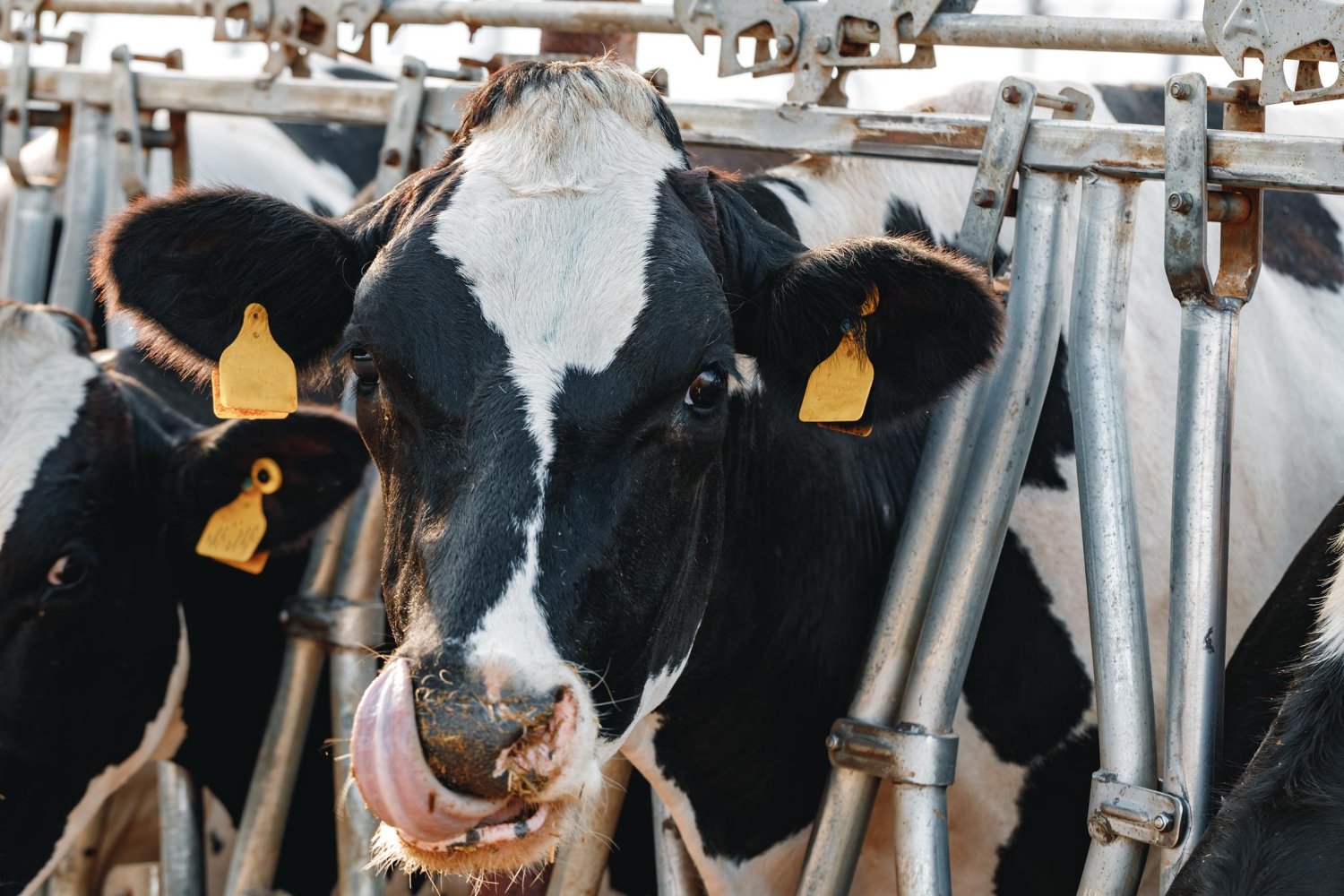
When an infected animal is found in a herd, the farm loses its TB-free status. Infected cattle and those that have been in contact with them are slaughtered, and sales and movements are restricted until tests show the herd is clear again. For family farms this means not only financial losses but also severe stress. Biosecurity minister Baroness Hayman described the disease as a cause of bitter losses and uncertainty.
How the disease is found
The main test is the skin test. The vet injects a small amount of purified protein from TB bacteria into the skin of the neck and checks three days later for swelling. If the reaction is stronger than to a control protein, the animal is classed as a reactor. The test works well at herd level but can miss individual infected cows, so it is backed up by blood tests.
Where the disease is most widespread
For TB control England is divided into areas. The High Risk Area covers the south-west and the west of the Midlands, where the disease has persisted longest. Between it and the Low Risk Area in the north and east lies the Edge Area. Testing frequency and movement rules differ between the areas, and it is in the Edge Area that the most striking improvement has been seen in recent years.
Why badgers were so contentious
Badgers can catch TB and pass it on to cattle. For many years badgers were culled in England in the areas where the disease was most widespread. The policy caused fierce arguments between farmers, animal welfare campaigners and scientists. The new government promised to end the cull, and 2026 is the first year in over a decade without one.
What replaces culling
Instead of culling, the focus is on vaccinating badgers. A dedicated Badger Vaccination Field Force has been set up to work in priority areas. Vaccinated badgers fall ill less often and pass on infection less often, so over time the risk to cattle falls. The government stresses that the strategy keeps the commitment to end culling.
How badgers are vaccinated
Badgers are vaccinated by injection: they are caught in cage traps near their setts, a trained vaccinator gives the jab and the animal is released at once. The vaccine does not cure badgers that are already infected, but it protects healthy ones, especially the young. Vaccination therefore has to be repeated for several years in a row so that the proportion of protected animals in a social group gradually grows.
What a cattle vaccine would bring
The most eagerly awaited measure is a vaccine for cattle. The difficulty is that the standard skin test also reacts in vaccinated animals. So alongside the vaccine a new DIVA skin test is being developed that can tell infected cows from vaccinated ones. The ambition is to start vaccinating cattle by 2030.
Blood tests
Another measure is wider use of mandatory, government-funded blood tests. They help find infected animals that the skin test misses. The government also wants to pilot additional tests paid for by farmers themselves, giving farms more choice in how they test.
Testing badgers found dead
The government is introducing a new programme in which badgers found dead will be collected and tested for TB. This will help show where the disease is present in wildlife and how the picture changes now that culling has ended. Similar surveillance of animals found dead is already used for other diseases, such as bird flu.
A new board
The existing TB partnership is to be replaced by a new board of government and industry representatives, expected in 2027. The board will have to agree the first action plan: which measures come first and how to deliver them. The government promises to keep working with farmers and vets.
What the figures show
At the end of June 2026, 3.4% of herds in England were under TB restrictions, compared with 4.2% a year earlier. This figure has been falling since 2017 in the High Risk Area and across England, and has dropped sharply in the Edge Area since 2024. In the 12 months to June 2026, 20,244 cattle were slaughtered for TB control, 4% fewer than a year earlier. The peak was 34,518 in 2018.
Is bovine TB a risk to people
Mycobacterium bovis can infect humans, but this is rare in the UK. The main safeguards are milk pasteurisation and veterinary meat inspection at abattoirs. So milk and beef from the shops are safe. The risk is higher for people who drink raw milk or work with sick animals without protection.
Cats, alpacas and other animals
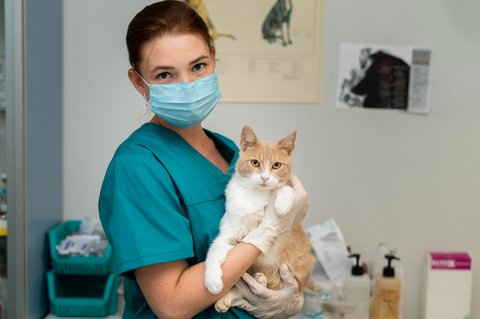
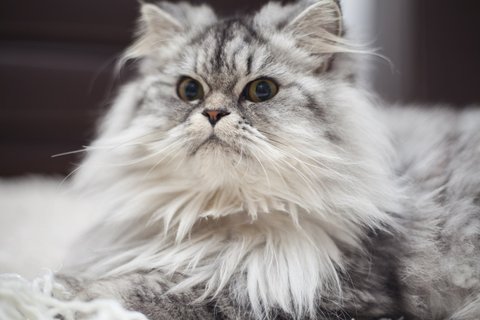
Cats occasionally develop TB caused by Mycobacterium bovis, especially those that hunt in the countryside, as do alpacas and llamas. In cats the disease can show as non-healing wounds, enlarged lymph nodes, coughing and weight loss. If your cat lives near farms and shows these signs, take it to your vet.
Why 2038
Bovine TB cannot be beaten quickly: the disease develops slowly and infection persists in wildlife. That is why the strategy is long term and combines several measures at once: testing, vaccination of cattle and badgers, wildlife surveillance and biosecurity on farms.
The picture elsewhere in the UK
The strategy covers England only. Wales and Northern Ireland have their own TB programmes, and Scotland has been officially TB free since 2009. Scotland's experience shows that strict testing and control of cattle movements pay off.
What it means for farmers
For farmers the strategy means more testing, more choice of tests and, eventually, a vaccine for cattle. Biosecurity matters already: keep badgers away from feed and water troughs, fence off areas around setts, check cattle before buying and keep accurate records of animal movements.
How farmers can protect their herd
- Keep feed and water away from badgers and other wildlife.
- Check the TB status of any herd you buy from.
- Keep new animals separate until they have been tested.
- Stick to testing deadlines and report any suspicions.
- Agree a biosecurity plan for the farm with your vet.
Why accurate records matter
TB often enters a herd with bought-in animals. If a farmer knows exactly where each cow came from and which animals it grazed with, vets can find the source of infection more easily and lift restrictions sooner. That is why the strategy puts so much emphasis on records and traceability.
What vets think
Vets have long argued that culling badgers alone is not enough and that better tests and a cattle vaccine are needed. The new strategy is built on precisely those tools. But success will depend on how quickly the cattle vaccine can be made ready for widespread use and how farmers take to the new rules.
What this means for Europe
Many EU countries have officially TB-free cattle herds, but in some regions the disease persists, including in wildlife. England's experience with badger vaccination and a cattle vaccine with its own test will be watched closely in Ireland, France and other countries where bovine TB still occurs.
When to see a vet
Call your vet if a cow has a long-lasting cough, loses weight for no obvious reason, has enlarged lymph nodes or her milk yield drops. Take a cat that lives near a farm to the vet if it has wounds that will not heal, a cough or weight loss. Remember that bovine TB is a notifiable disease, and suspected cases must be reported to APHA.
Sources
- GOV.UK, Defra, 5 November 2026